


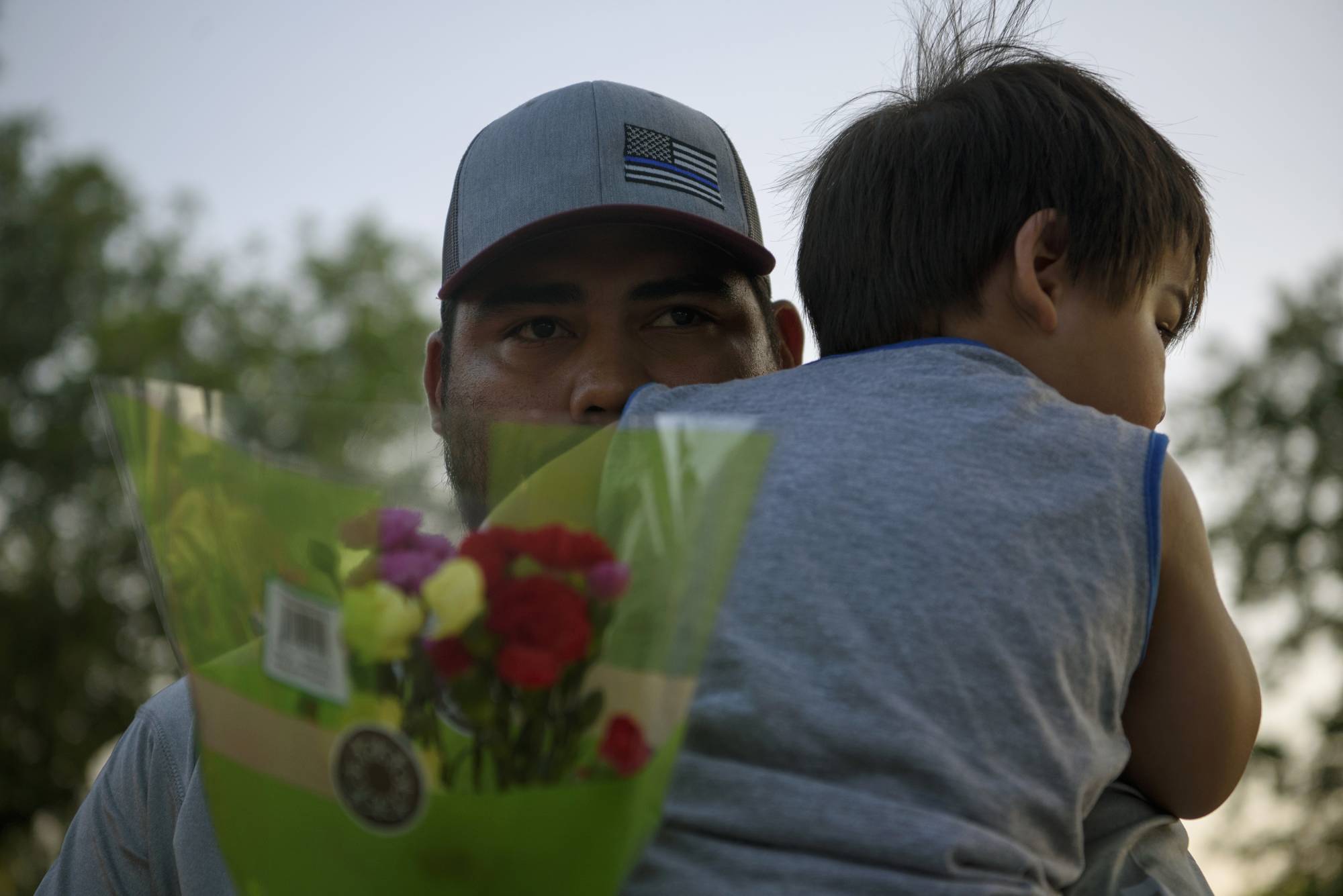
WASHINGTON – The two young men accused of carrying out the massacres in Buffalo, New York, and Uvalde, Texas, followed a familiar path: They legally bought semi-automatic rifles right after turning 18, posted images intended to display their strength and menace — and then turned those weapons on innocent people.
As investigators and researchers determine how the tragedies unfolded, the age of the accused has emerged as a key factor in understanding how two teenagers became driven to acquire such deadly firepower and how it led them to mass shootings.
They fit in a critical age range — roughly 15 to 25 — that law enforcement officials, researchers and policy experts consider a hazardous crossroads for young men, a period when they are in the throes of developmental changes and societal pressures that can turn them toward violence in general, and, in the rarest cases, mass shootings.
Six of the nine deadliest mass shootings in the United States since 2018 were by people who were 21 or younger, representing a shift for mass casualty shootings, which before 2000 were most often initiated by men in their mid-20s, 30s and 40s.
“We see two clusters when it comes to mass shooters, people in their 40s who commit workplace type shootings, and a very big cluster of young people – 18, 19, 20, 21 — who seem to get caught up in the social contagion of killing,” said Jillian Peterson, a criminal justice professor who helped found the Violence Project, which maintains a comprehensive national database of mass shootings.
KEYWORDS
In a time of both misinformation and too much information, quality journalism is more crucial than ever.
By subscribing, you can help us get the story right.
With your current subscription plan you can comment on stories. However, before writing your first comment, please create a display name in the Profile section of your subscriber account page.