


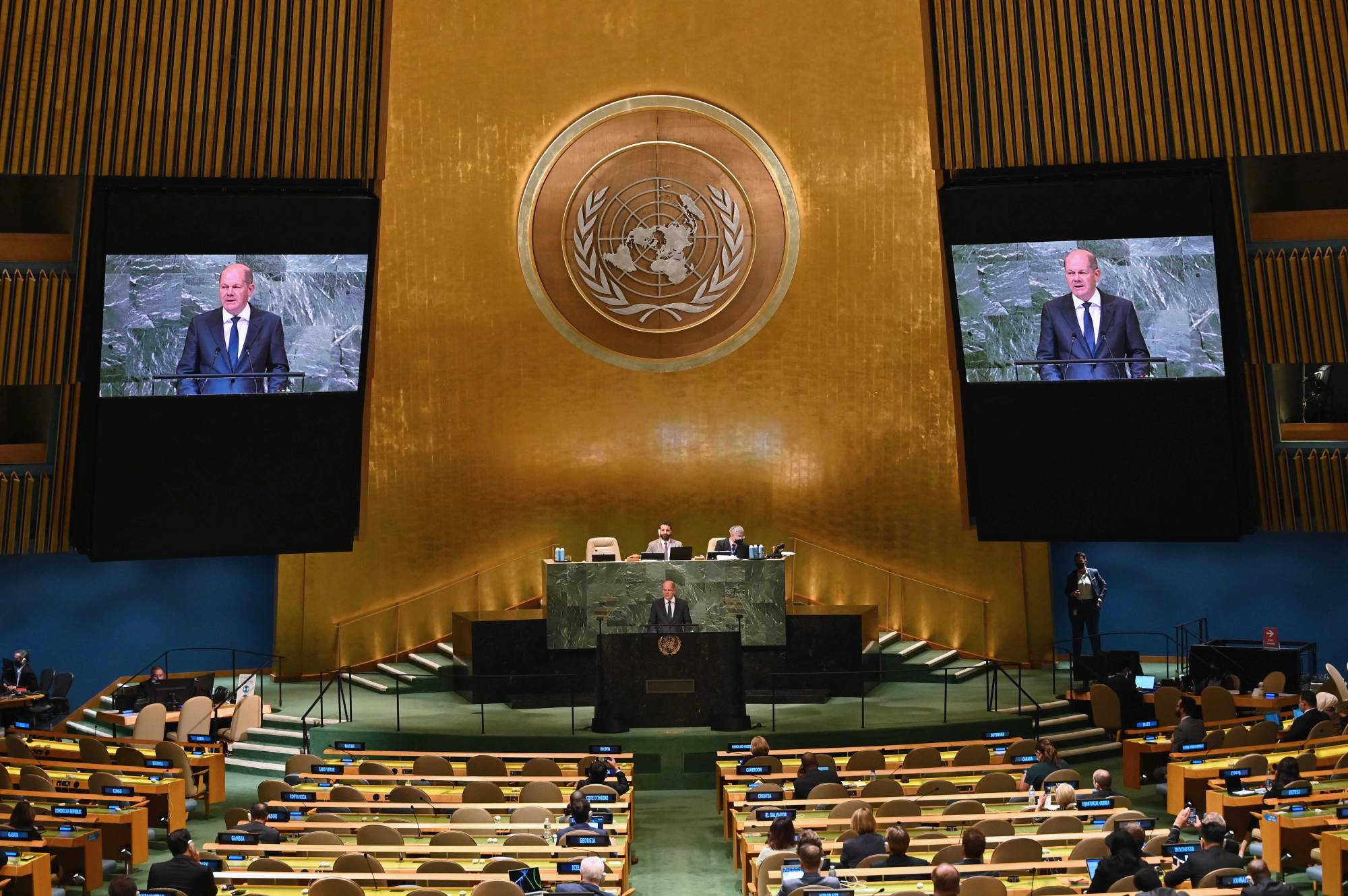
The helplessness of the United Nations in the months leading up to Russia’s invasion of Ukraine are impossible to ignore at the annual marquee event of international diplomacy.
For an institution born out of war to preserve peace, its struggle for relevance in the face of the worst conflict in Europe since World War II revives an existential question: If it couldn’t stop the numerous clashes that have arisen since its formation — most recently Russia’s attack on its neighbor, a modern democracy — then what is its purpose?
As leaders descend upon New York this week, where Group of Seven leaders are likely to make speeches decrying Russia for a brutal war, interviews with several officials reveal a rising frustration with a body founded nearly 80 years ago that is increasingly powerless to shape global events from Yemen to Afghanistan.
These diplomats trace the U.N.’s downward trajectory to events in 2011, when Russia felt tricked into abstaining from a U.N. Security Council resolution that allowed U.S. allies to bomb Libya. It was a turning point.
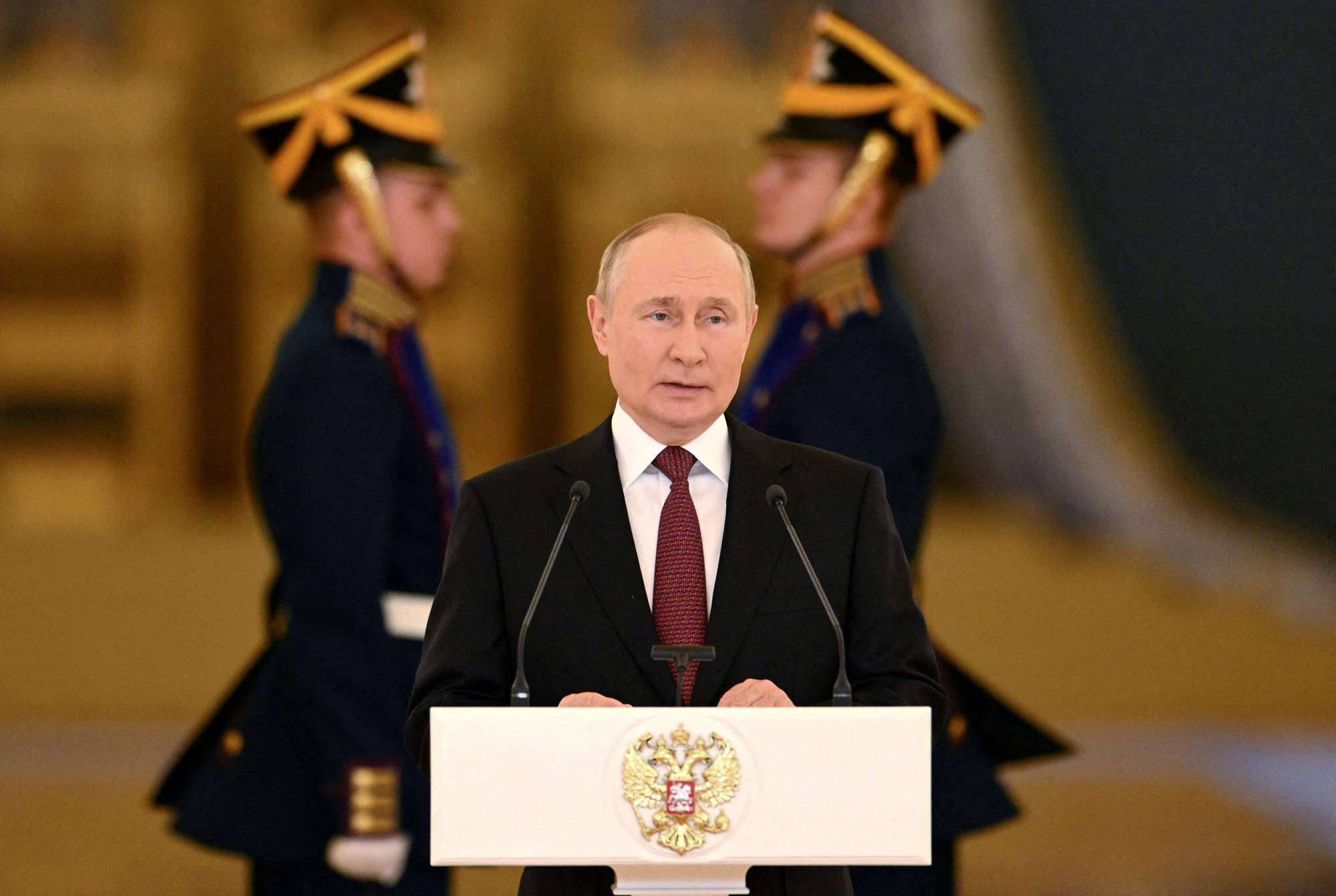
What was hailed then in London, Paris and Washington as a triumph of multilateralism was viewed differently in Moscow. Vladimir Putin, who was biding his time as prime minister because he was not allowed to serve more than two terms as president, was appalled.
KEYWORDS
In a time of both misinformation and too much information, quality journalism is more crucial than ever.
By subscribing, you can help us get the story right.
With your current subscription plan you can comment on stories. However, before writing your first comment, please create a display name in the Profile section of your subscriber account page.