


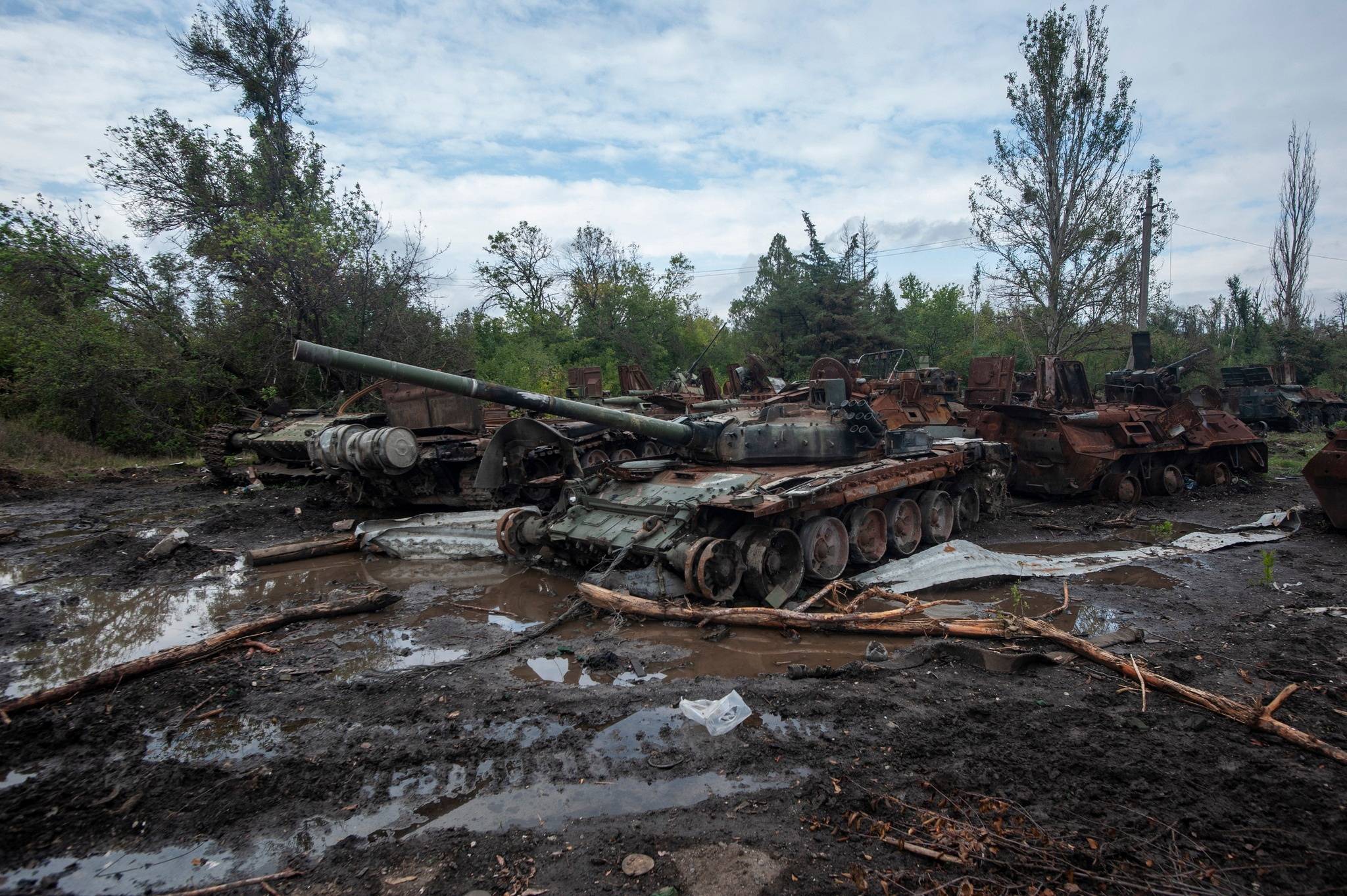
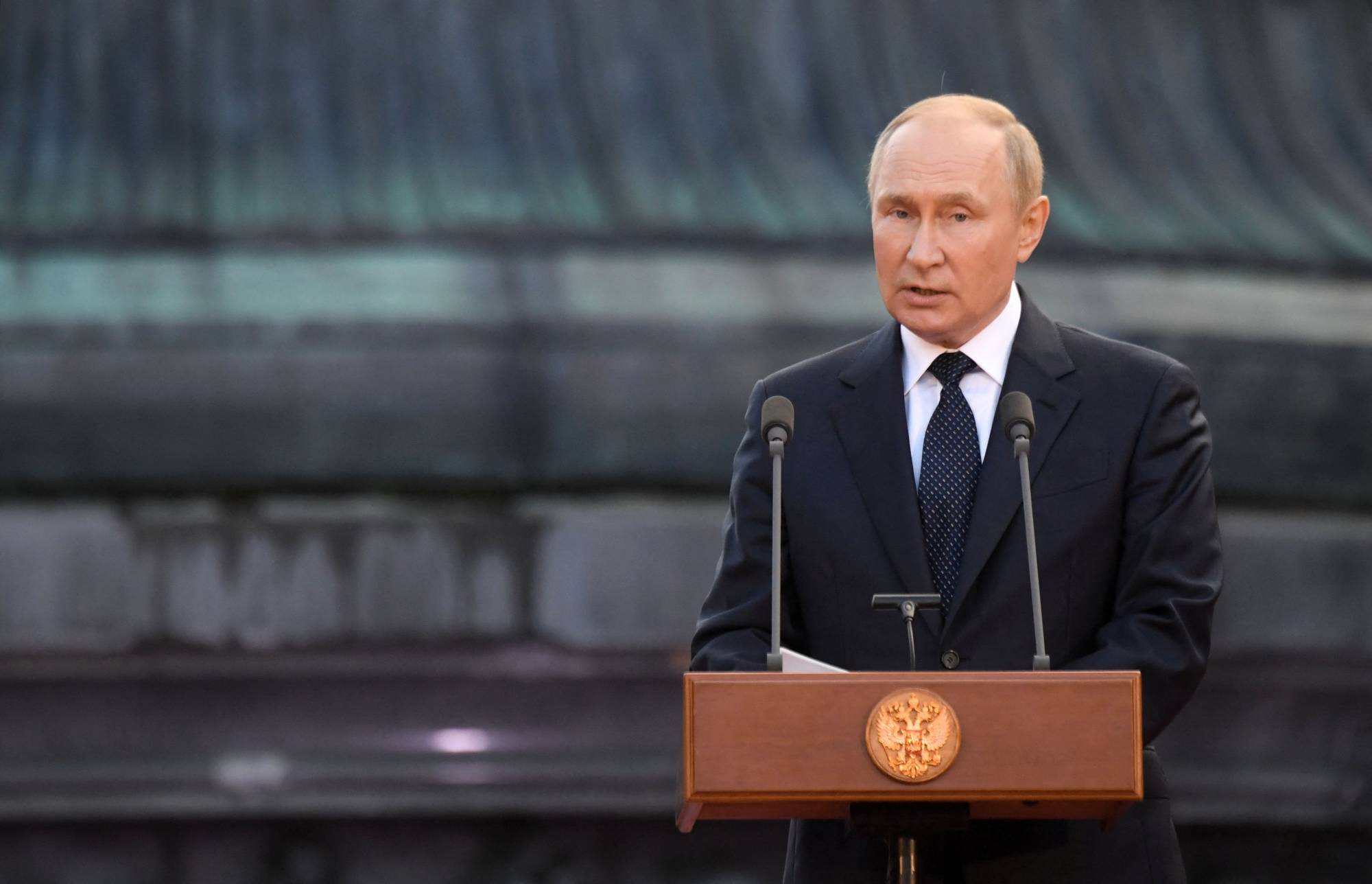
Russian President Vladimir Putin’s move to draft in 300,000 reservists to reinforce his troops in Ukraine is likely to extend the war rather than influence its outcome.
Still, it could buy him time to execute a wider strategy — including exacerbating Europe’s energy crisis and threatening a nuclear strike on unspecified targets — aimed at undermining foreign military and financial support for Kyiv’s war effort.
Everything about Putin’s decision to order a partial mobilization is surrounded by questions, including the feasibility of the number itself. Other unknowns include the speed, quality and goals of a mass training exercise that’s about to begin.
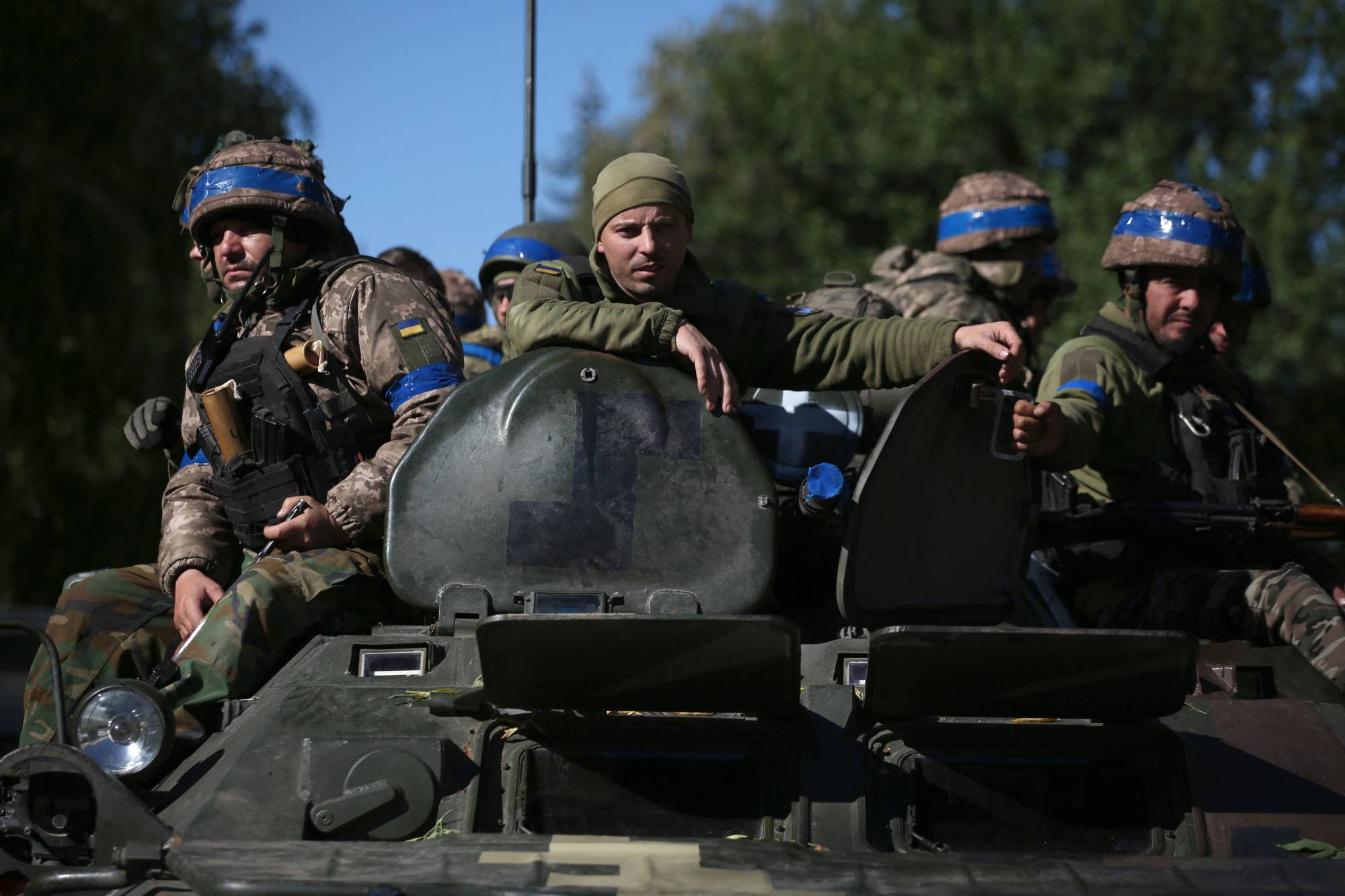
But basic math suggests the phased recruitment program will prove to be more about rebuilding capability and rotating exhausted combat troops, than providing a fresh force capable of throwing Ukraine back onto the defensive, say military analysts from Washington to Moscow.
Not only has Russia lost about 80,000 soldiers dead or wounded in Ukraine, according to estimates by Kyiv’s allies, but with insufficient manpower for rotation many troops are now spending their eighth month in the field.
KEYWORDS
In a time of both misinformation and too much information, quality journalism is more crucial than ever.
By subscribing, you can help us get the story right.
With your current subscription plan you can comment on stories. However, before writing your first comment, please create a display name in the Profile section of your subscriber account page.