


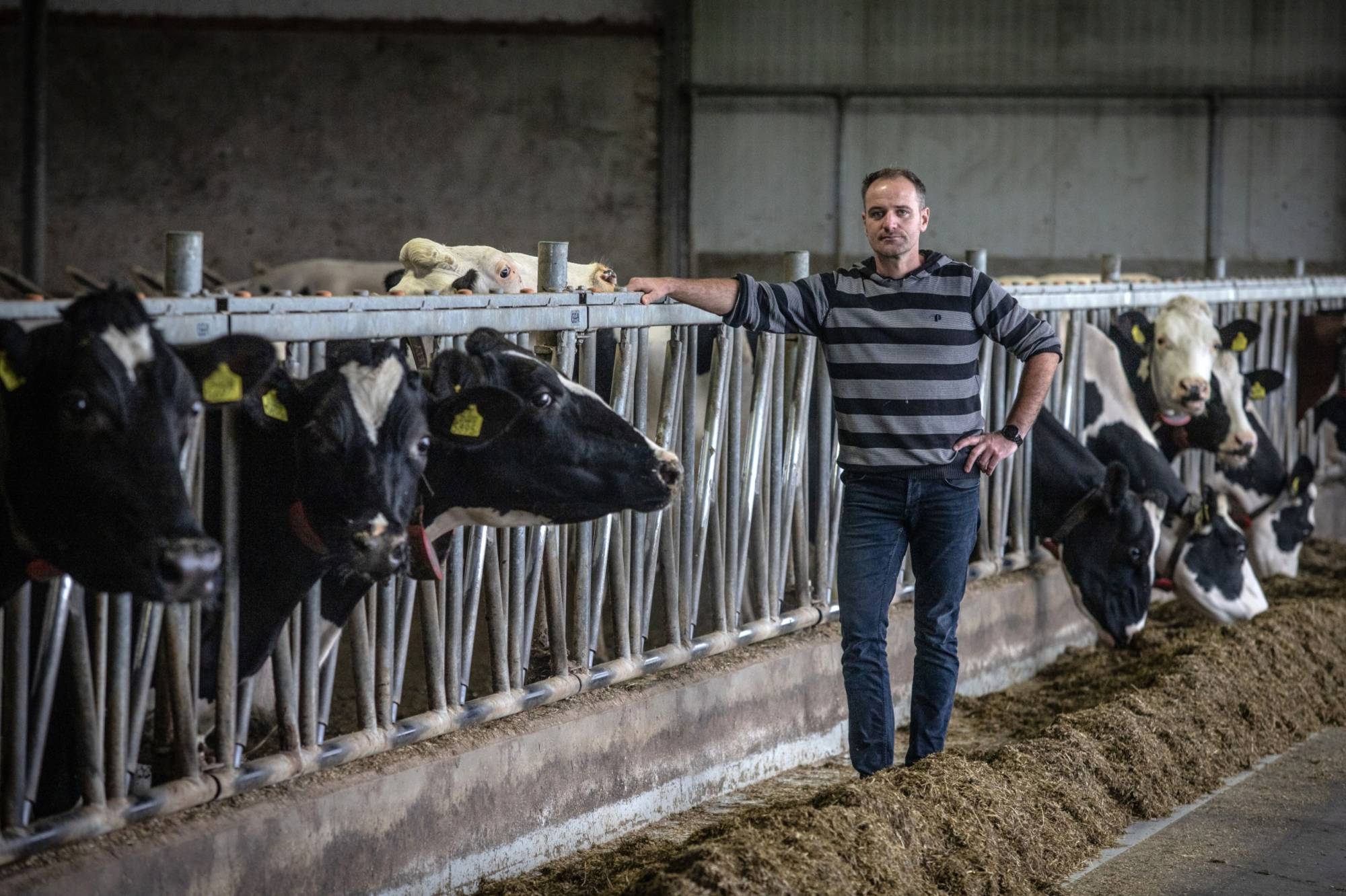
It took an existential threat to turn a fifth-generation dairy farmer into an anti-government protester.
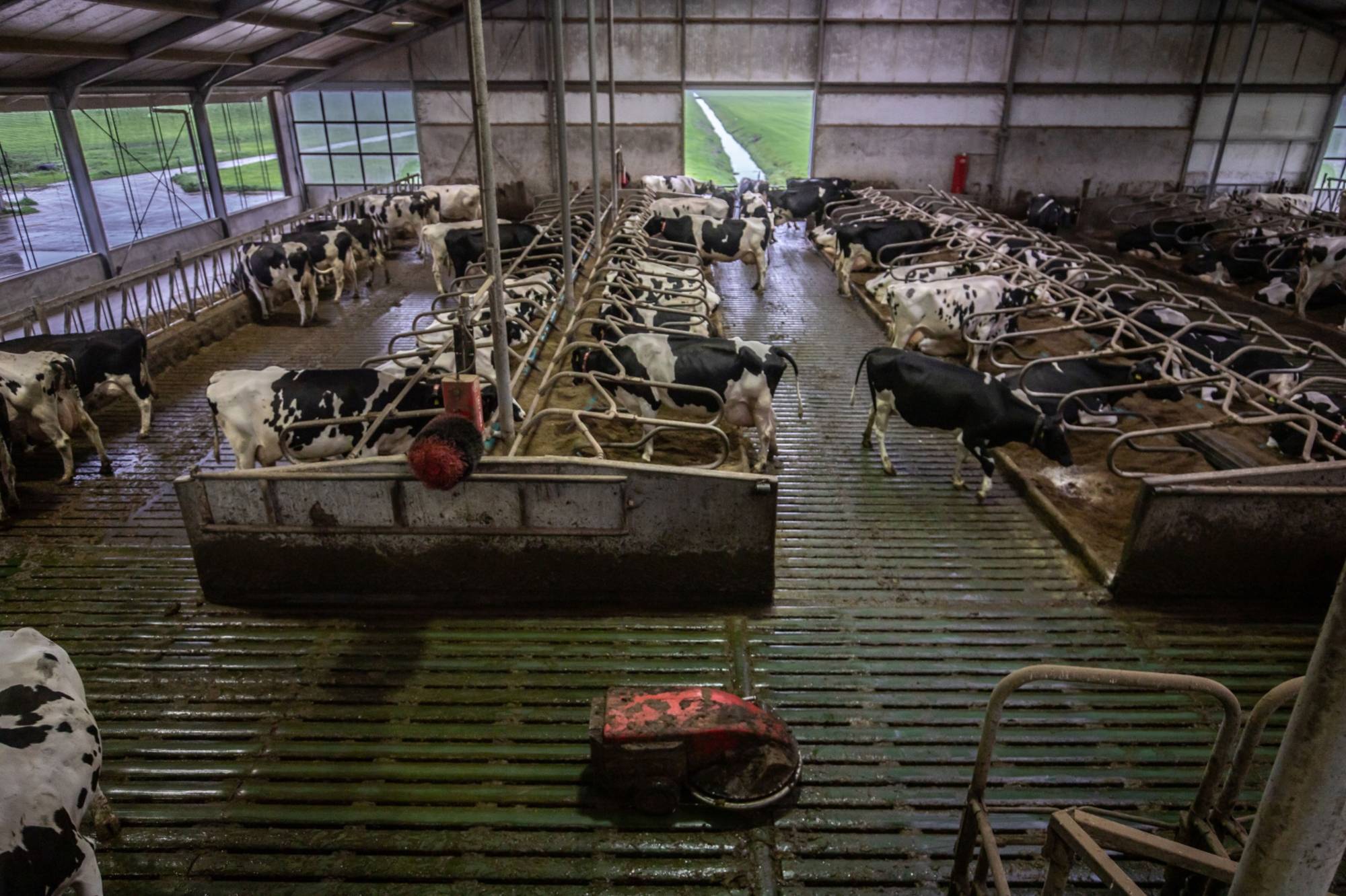
Bart Kooijman raises 120 cows on 50 hectares in western Holland. If authorities push ahead with plans to halve nitrogen emissions from agriculture by 2030, his could be among thousands of farms that will have to shrink or close.
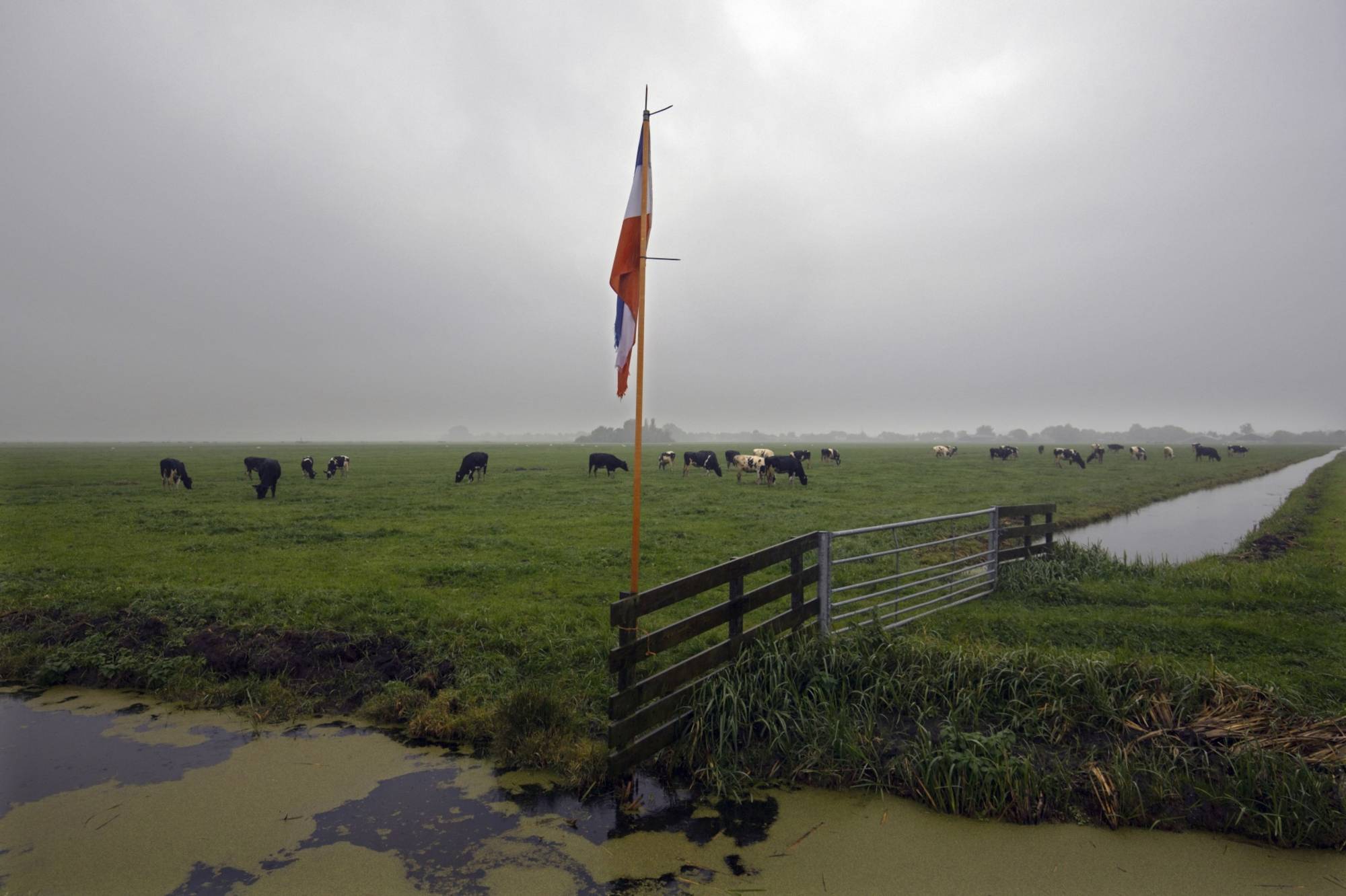
In an attempt to quell a summer of fury, which saw farmers setting hay bales ablaze and dumping manure on motorways, the government said in November it would buy out as many as 3,000 of the biggest emitters in a voluntary one-time offer, setting aside €24.3 billion ($25.6 billion) to fund the transition. Those who refuse will be forced out of business.
“We don’t want to make fires or block roads but if we do nothing, it’s over,” says Kooijman, a father of two. “We’ll just get kicked off the land.”
Intensive farming — and decades of official inaction — have devastated biodiversity in the Netherlands, forcing the government to impose drastic measures. But the Dutch crisis serves as a cautionary tale for governments the world over as a year of record drought, flood and fire forces us to reckon with the way we produce the most essential of goods: food.
KEYWORDS
In a time of both misinformation and too much information, quality journalism is more crucial than ever.
By subscribing, you can help us get the story right.
With your current subscription plan you can comment on stories. However, before writing your first comment, please create a display name in the Profile section of your subscriber account page.