


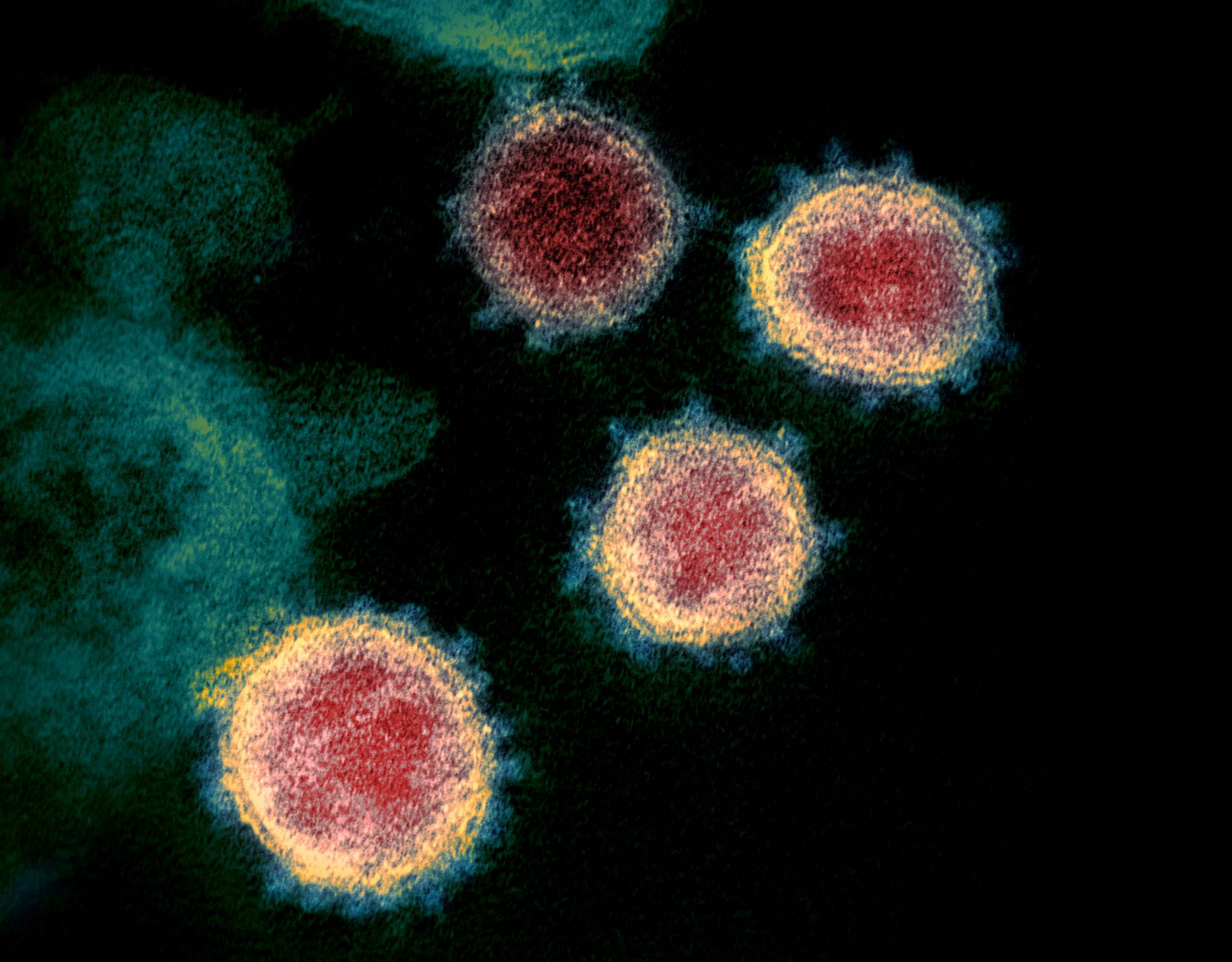
It’s been about a year since the early coronavirus alarms were raised, and despite a decline in infections, new fears are rising up. New COVID-19 variants are making pessimists worry that an even bigger next wave may be coming.
It’s true that the virus is mutating in ways more profound than biologists anticipated last summer. But new research also suggests that there may be limits to how many tricks the coronavirus has up its sleeve — and that may make it easier for vaccines to keep up.
If scientists have been somewhat blindsided by the variants, it’s because they hadn’t fully realized the way the coronavirus tends to mutate — in a way that’s distinct from influenza or HIV. This virus has a talent for shape-shifting by dropping pieces of its genetic code.
Early on, a few scientists observed these so-called deletion mutations by studying virus samples from patients with compromised immune systems. Such patients can be crucibles for viral evolution, because the virus survives in their cells for months, making copies of itself all the while.
The mutations that scientists were observing in individual patients were essentially the same as those now seen in the new variants. Molecular biologist Kevin McCarthy of the University of Pittsburgh, who analyzed mutations in immune-compromised patients, found this eye-opening. “Evolution in that patient, in some ways, foreshadowed what the virus was going to do all over the world,” he said.
KEYWORDS
In a time of both misinformation and too much information, quality journalism is more crucial than ever.
By subscribing, you can help us get the story right.
With your current subscription plan you can comment on stories. However, before writing your first comment, please create a display name in the Profile section of your subscriber account page.