


Despite Europe’s record of regional integration having been recently tarnished by Brexit, the Franco-German partnership — a response to the massive numbers of casualties sustained during the world wars — has been pivotal for the process toward that integration. Their shared vision of achieving lasting peace in the region is a key motivation behind their joint effort to promote European integration.
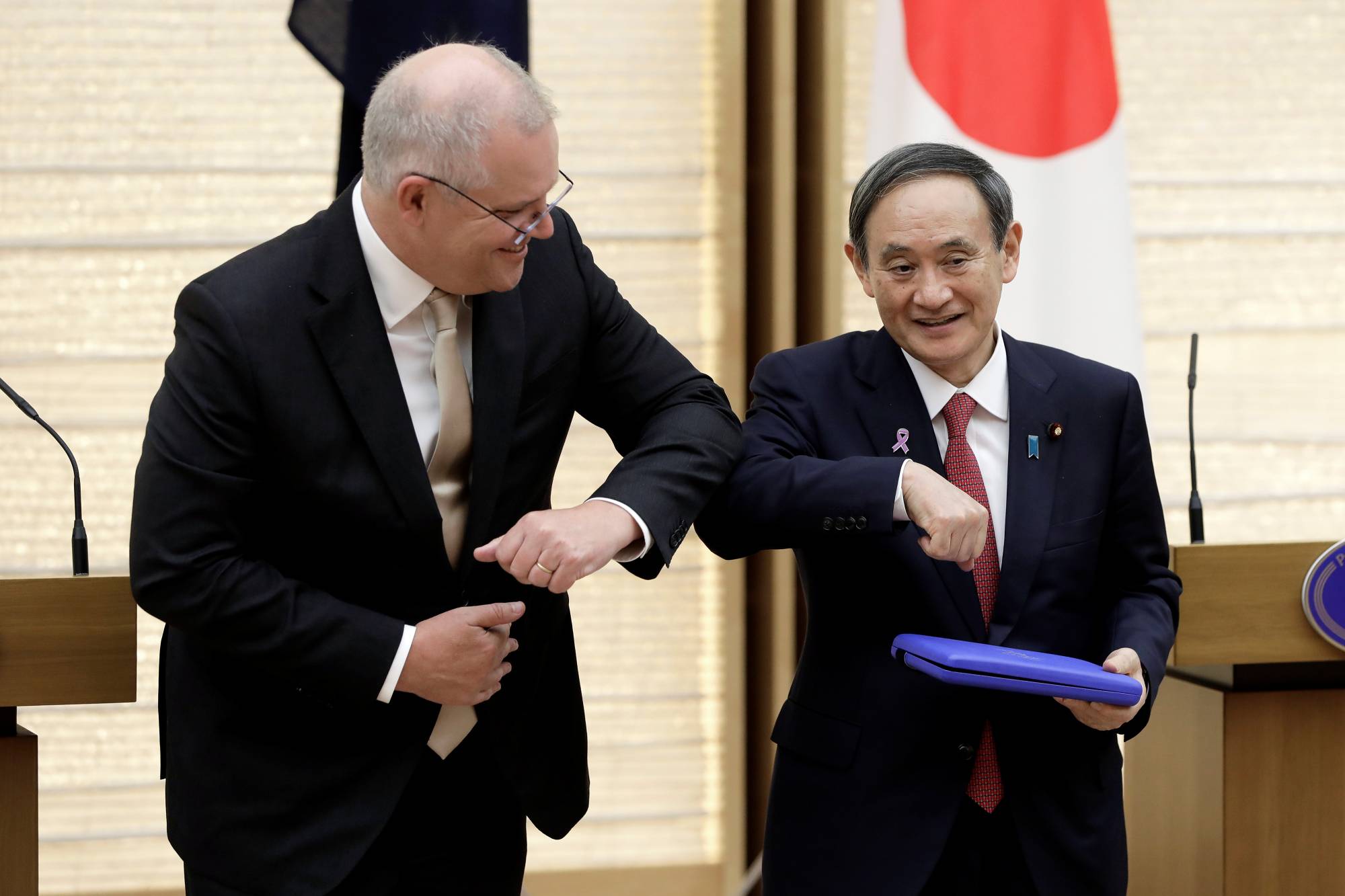
But what about the Asia-Pacific region? It has only a short history of regional integration compared with Europe, but its parallel with the Franco-German relationship is the partnership developed between Japan and Australia, the former war enemies whose relations are now classed as a “Special Strategic Partnership” involving a bilateral free trade agreement (FTA) and a defense pact.
Looking back, Japan made moves toward a partnership with Australia in 1967, when Foreign Minister Takeo Miki advocated his abortive “Asia-Pacific Policy,” and in 1979 when Prime Minister Masayoshi Ohira proposed the Pacific Rim Cooperation Concept.
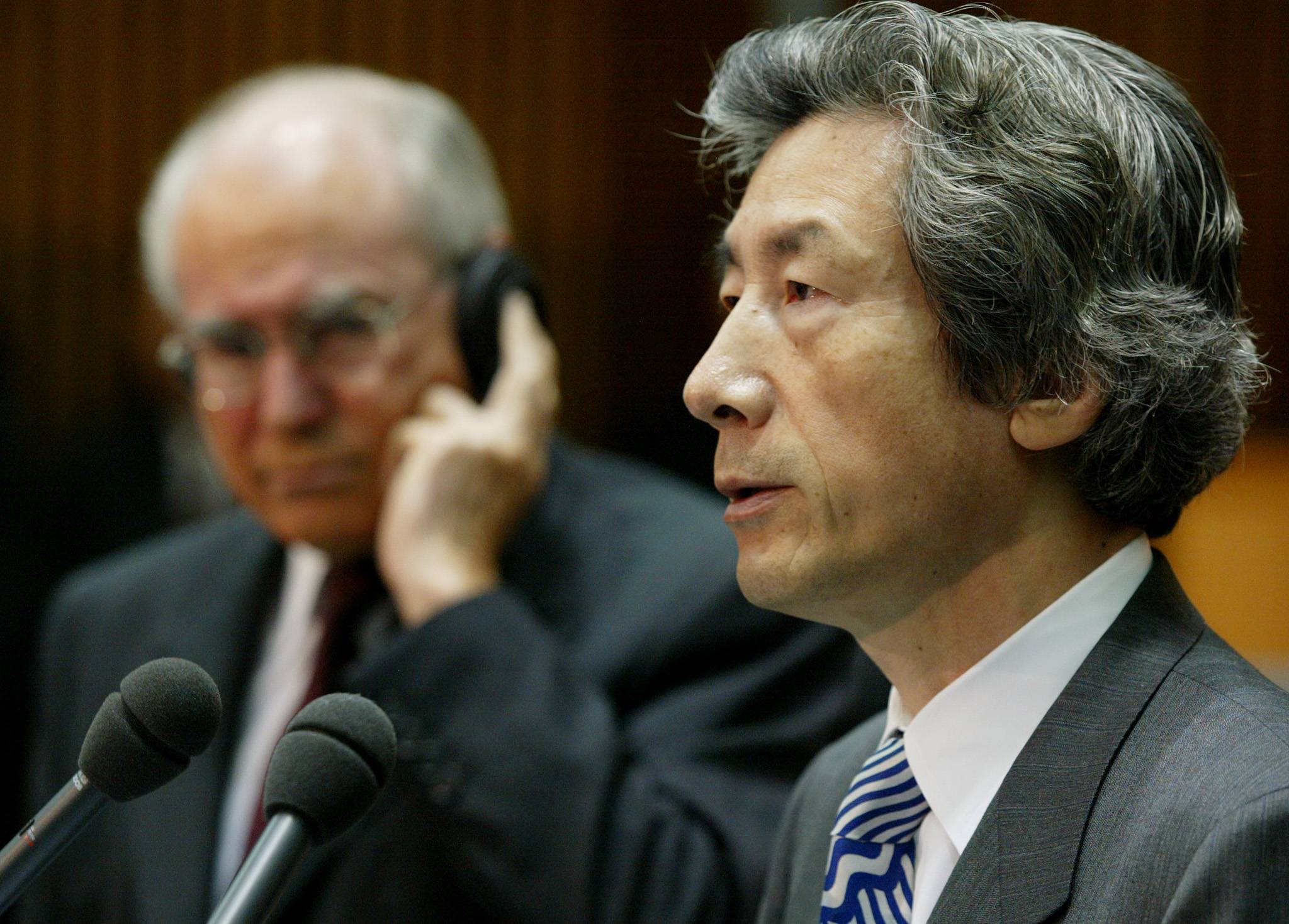
The two countries worked closely together to establish the Asia-Pacific Economic Cooperation (APEC) forum in 1989. During Prime Minister John Howard’s administration (1996-2007), when Australia was struggling to maintain good relations with members of the Association of Southeast Asian Nations (ASEAN) due in part to East Timor’s move for independence from Indonesia, it was Japan which created a foundation for Australia to become a member of the East Asia community.

KEYWORDS
In a time of both misinformation and too much information, quality journalism is more crucial than ever.
By subscribing, you can help us get the story right.
With your current subscription plan you can comment on stories. However, before writing your first comment, please create a display name in the Profile section of your subscriber account page.