


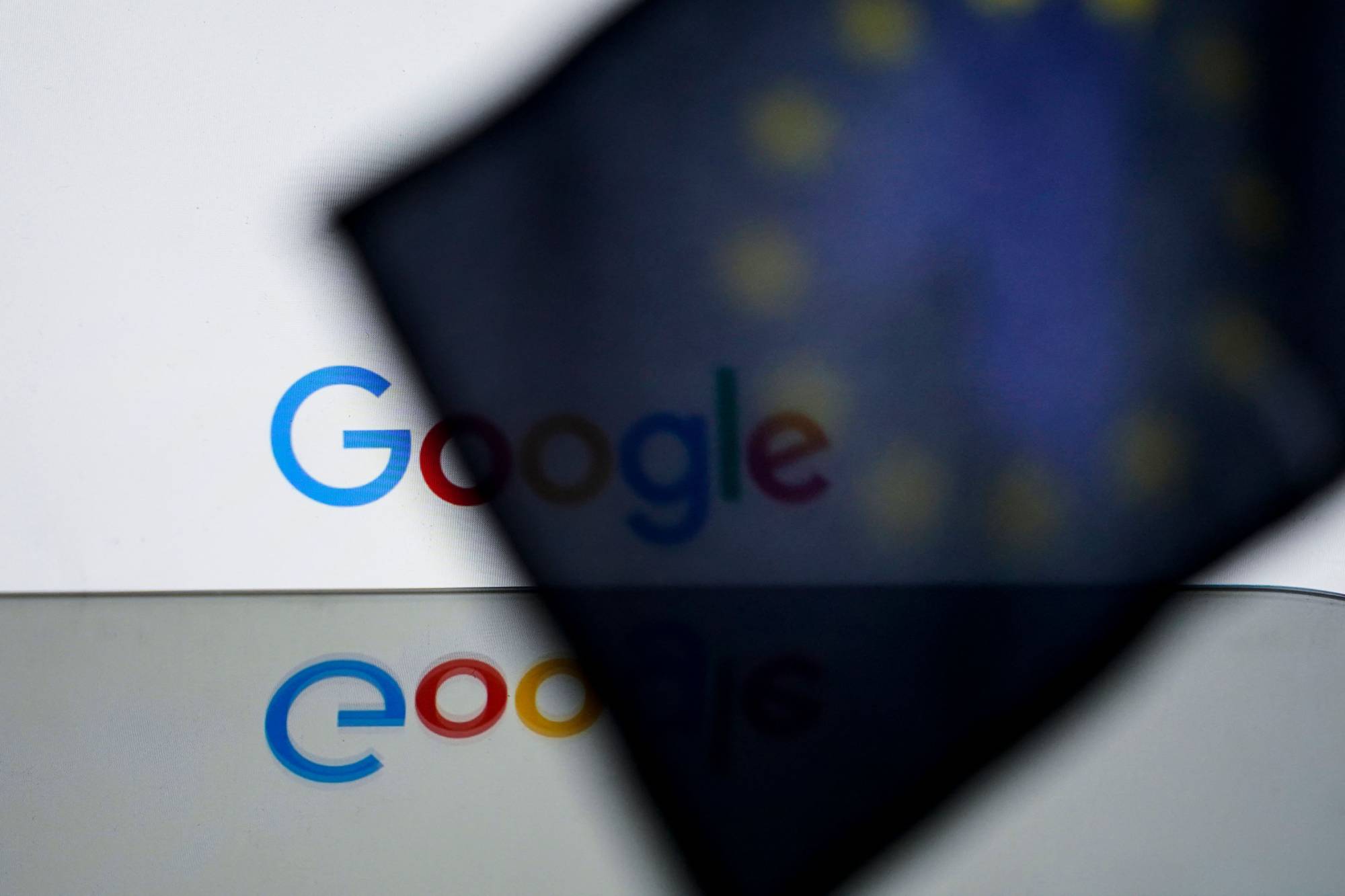
Forget the $9 billion of fines that came before. They barely scratched the surface. For Google, this is the big one.
On Tuesday the European Commission announced a formal probe into the search giant’s practices in online advertising. After years of antitrust investigations, this is by a country mile the most important, because it focuses on how Google actually makes most of its money.
Parent company Alphabet Inc. gets 81% of its revenue from online advertising. That amounted to $147 billion last year. In comparison, the earlier investigations into the California-based firm looked at practices that, while important, were merely adjacent to or helped consolidate the dominance of that core business. European Union antitrust chief Margrethe Vestager is now targeting the money spinner itself.
That means the stakes are higher. If found to have abused its dominant position, the changes Google could be forced to make would have a more profound impact. When it was punished by the EU in 2018, for the way it forced smartphone makers to install its search engine and web browser as the default apps on their handsets, the move had little discernible impact on Google’s ongoing operations. After all, it had already squeezed out most of the competition in mobile operating systems, with the notable exception of Apple Inc.
Online advertising is different because Google plays such a dominant role across the web. The fact that it owns the biggest search engine, video streaming website and e-mail client isn’t the top cause for concern — it’s that the finances of all three are tied together through the ads that pay for them.
KEYWORDS
In a time of both misinformation and too much information, quality journalism is more crucial than ever.
By subscribing, you can help us get the story right.
With your current subscription plan you can comment on stories. However, before writing your first comment, please create a display name in the Profile section of your subscriber account page.