


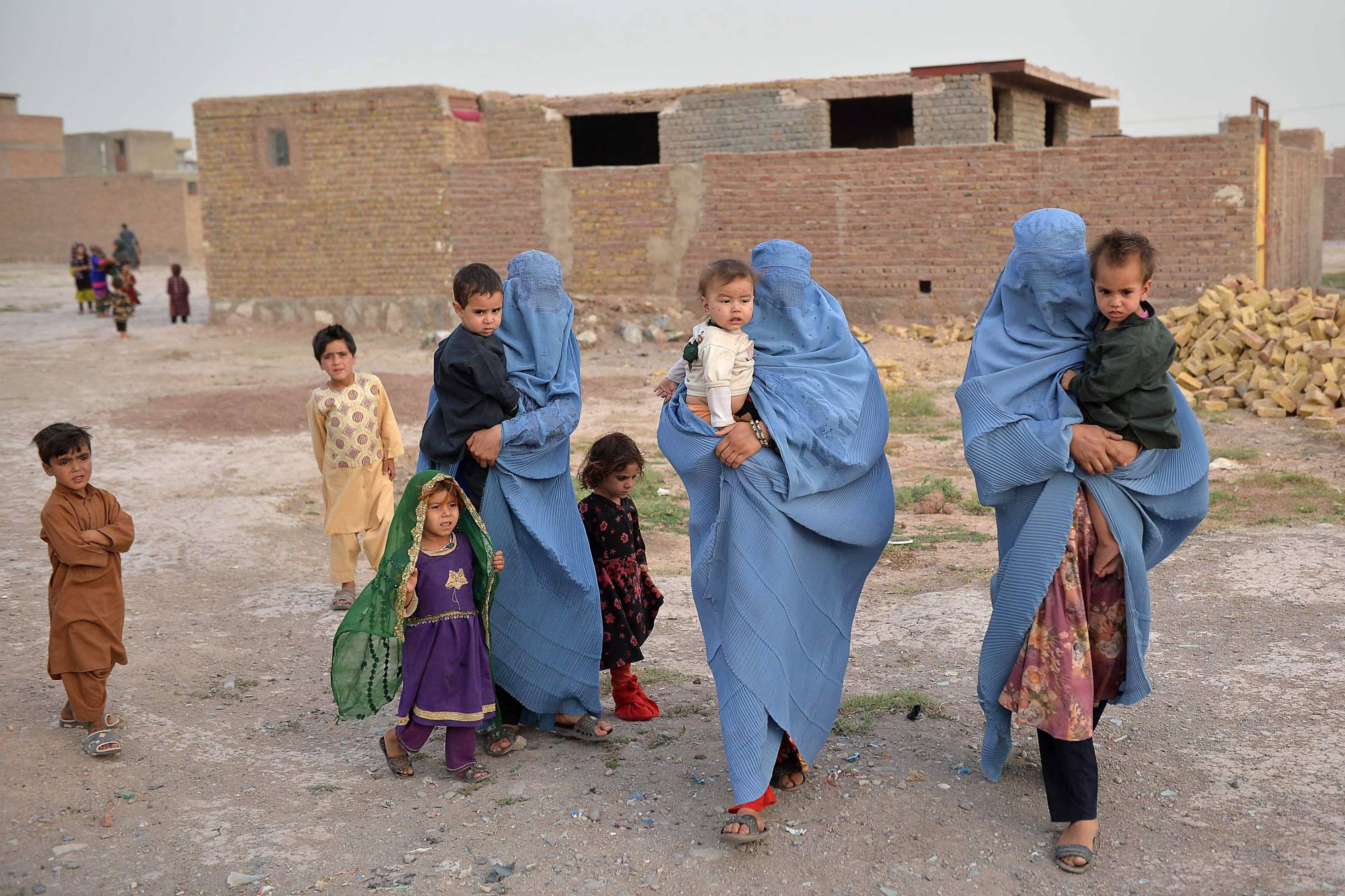
When U.S. President Joe Biden announced in April that the United States would withdraw its military forces from Afghanistan by Sept. 11, the only real question was whether the Taliban, the Islamic fundamentalist movement that seeks to retake control of the country, would wait until that departure to launch their offensive.
They did not. Taliban forces have moved relentlessly forward, taking control of nearly one-third of Afghanistan’s districts and threatening many more.
Civil war is not Afghanistan’s only danger. The country is also dealing with a massive drought and the COVID-19 outbreak. Food insecurity is on the rise. The resulting instability threatens not only Afghanistan but will spill over and roil its neighbors.
Diplomacy is unlikely to stave off the Taliban’s return to power, but it is absolutely necessary — to explore peaceful solutions to the conflict and to engage regional countries and give them a stake in Afghanistan’s future and its stability.
Intelligence officials and military strategists warned that a U.S. (and allied) withdrawal would imperil the survival of the government in Kabul. One assessment reportedly gave the Afghan government six months after American troops left. That may have been optimistic.
In a time of both misinformation and too much information, quality journalism is more crucial than ever.
By subscribing, you can help us get the story right.
With your current subscription plan you can comment on stories. However, before writing your first comment, please create a display name in the Profile section of your subscriber account page.