


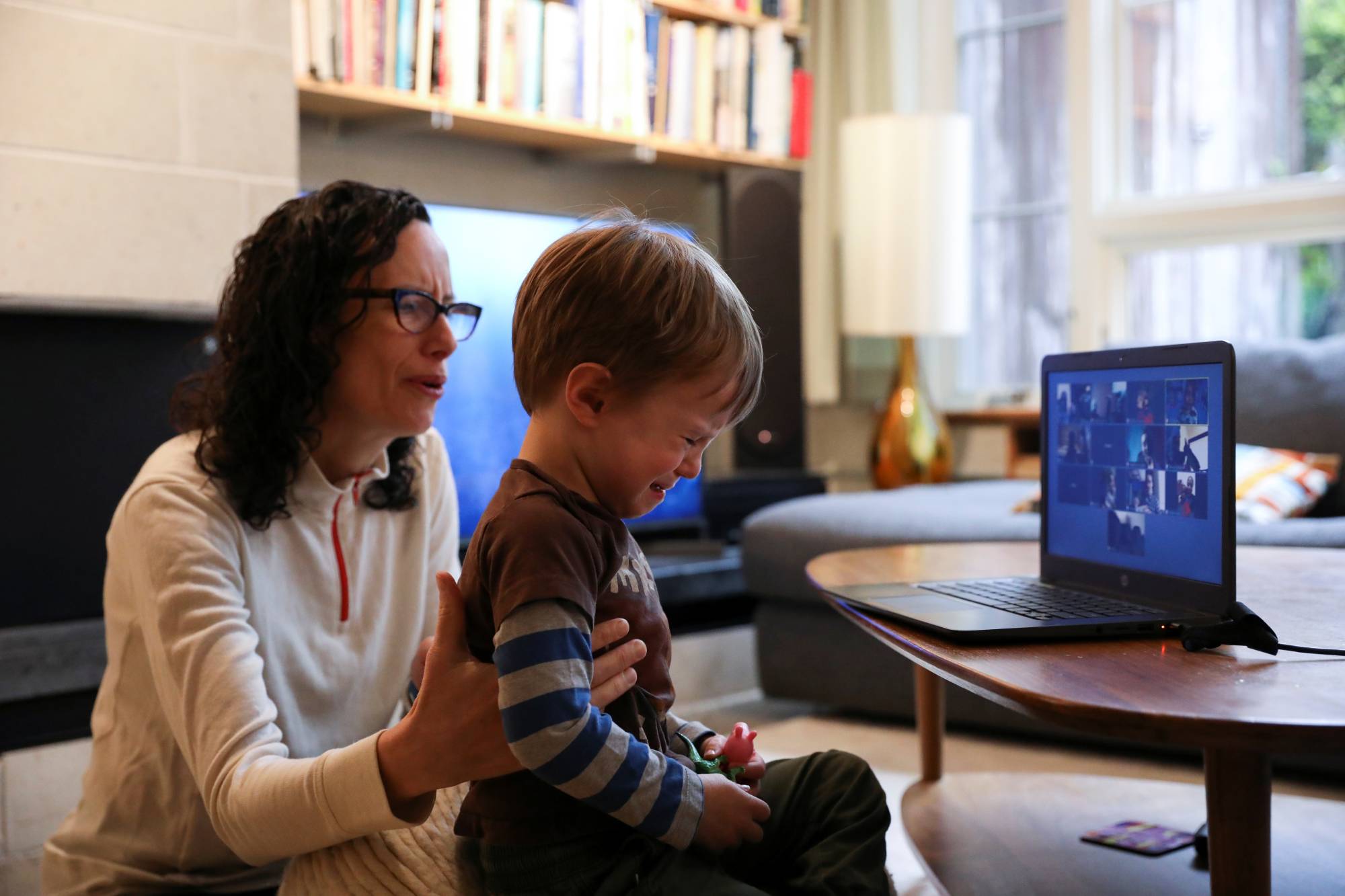
MUMBAI/SAN FRANCISCO – When COVID-19 arrived, firms, workers and consumers had to adapt quickly in order to continue operating under the constraints that the pandemic imposed. As vaccines enable a resumption of more normal activities, at least in some countries, the extent to which these changes will stick is one of the most pressing questions businesses face.
Our research finds that the persistence of pandemic-induced behavioral changes will depend on a combination of corporate decisions and government policies, which in turn determine choices by consumers and employees.
These factors don’t always conspire to make consumer preferences stick. For example, surveys indicate that 30% to 50% of consumers intend to buy sustainable products. But such products typically account for less than 5% of overall sales, in part because companies charge higher prices for them and governments offer no purchasing incentives.
In contrast, the global disruption triggered by COVID-19 created a perfect storm in which some shifts in consumer behavior were matched by changes in business operations and government regulations. Many such behaviors in fact accelerated practices that held promise before the pandemic but had failed to gain traction because of cost concerns or widespread skepticism. The virus, by creating an opportunity to experiment with them, made their value much more apparent.
Moreover, advances in digital technologies helped create a broad ecosystem to support these behavioral changes. Some companies combined videoconferencing with augmented-reality technologies for the first time to enable technicians in one location to repair machinery at another site. Other businesses stepped up investment in robotic processing, thereby transforming management of routine paperwork. The cost savings and convenience resulting from the use of such tools are likely to bolster the staying power of remote work and reduce business travel, among other changed practices.
KEYWORDS
In a time of both misinformation and too much information, quality journalism is more crucial than ever.
By subscribing, you can help us get the story right.
With your current subscription plan you can comment on stories. However, before writing your first comment, please create a display name in the Profile section of your subscriber account page.