


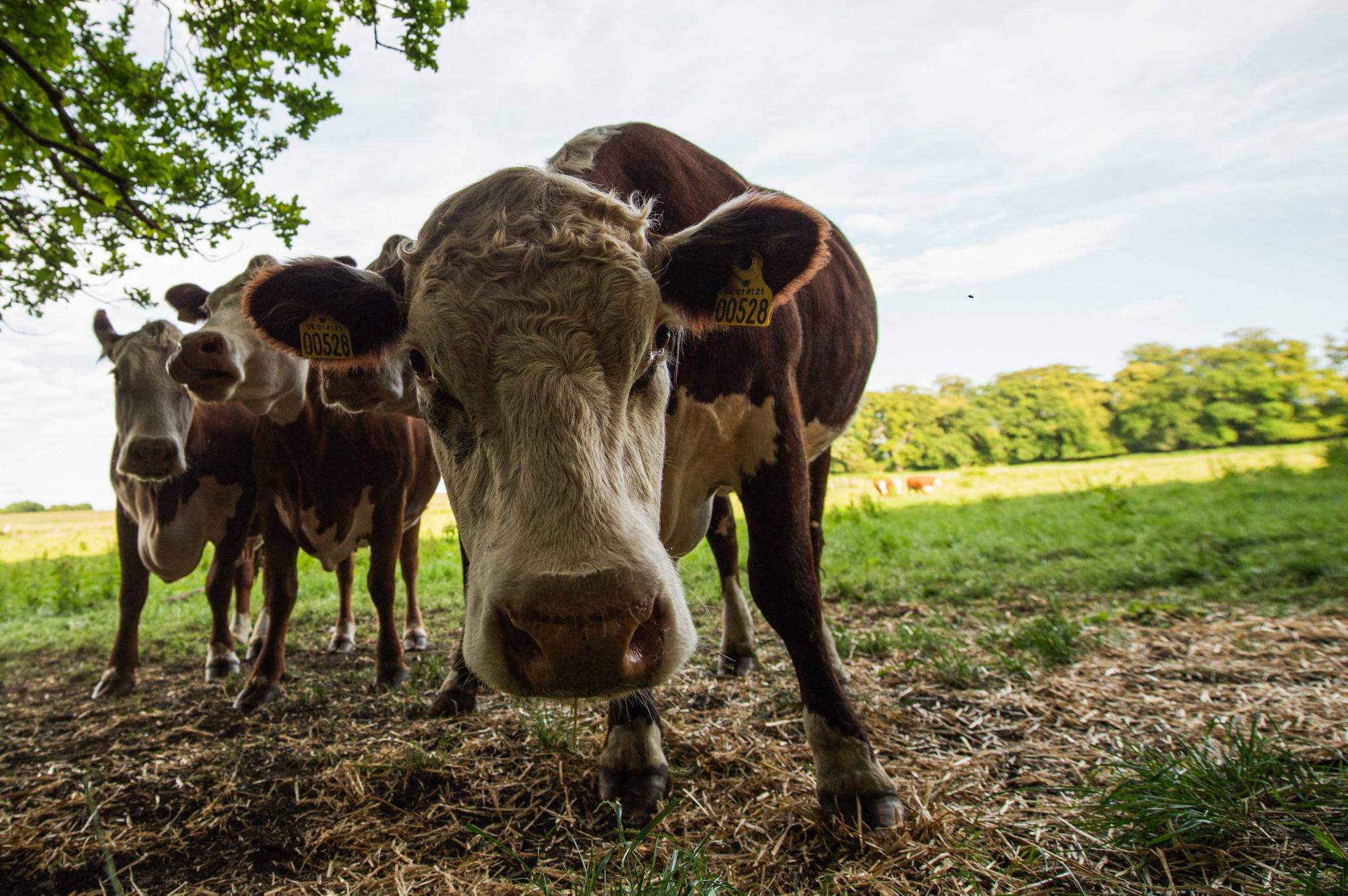
MELBOURNE – “If the sound of beef sizzling on the grill brings tears to your eyes, you’re a real beefatarian.”
That’s the opening line of a TV ad produced by a European advertising campaign called “Proud of European Beef.” Just more advertising silliness? No, because the European Union is paying 80% of the cost of it.
The United Nations Food and Agriculture Organization’s 2013 report “Tackling Climate Change Through Livestock” states that beef contributes 41% of the greenhouse-gas (GHG) emissions from the entire livestock sector, and also has the highest emissions intensity — that is, the highest GHG emissions per unit of protein — of any animal products.
That is largely because ruminants belch and fart methane, an extremely potent greenhouse gas. As a result, rearing beef cattle brings about, on average, six times the contribution to global warming as nonruminant animals (for example, pigs) producing the same quantity of protein.
Since that report, the case against beef has strengthened. In 2015, a report from London’s Royal Institute of International Affairs pointed out that worldwide, meat and dairy consumption are rising at a rate that, if projected to 2050, would use 87% of the total quantity of emissions that is compatible with the Paris climate agreement’s objective of staying below a 2 degree Celsius increase in temperature.
KEYWORDS
In a time of both misinformation and too much information, quality journalism is more crucial than ever.
By subscribing, you can help us get the story right.
With your current subscription plan you can comment on stories. However, before writing your first comment, please create a display name in the Profile section of your subscriber account page.