


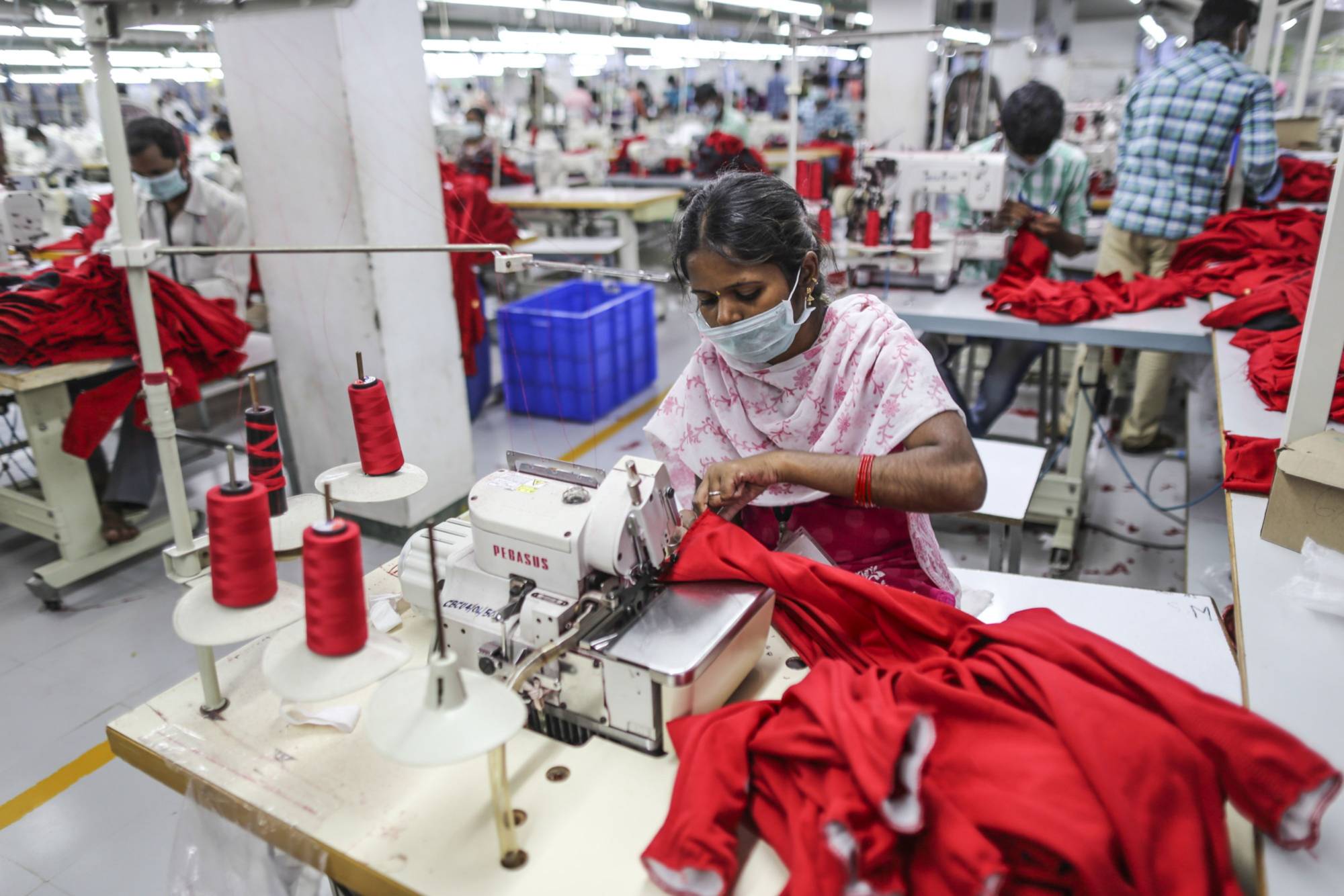
WASHINGTON – Protectionism is on the rise in many parts of the world, and the COVID-19 pandemic is only partly to blame. This is hardly a new phenomenon. When I was Indonesia’s trade minister a decade ago, trade liberalization certainly did not have broad popular support.
Although lowering or eliminating tariffs usually benefits many producers and consumers, it might endanger the livelihoods of some. Understandably, they loudly opposed such measures. A fuller understanding of the uneven distributional effects of trade — put simply, who gains and who loses, where and why — is critical to design better supporting policies and to provide governments with the right narrative to allay such concerns.
Aggregate economic data leave no doubt that the rapid increase in global trade over the past 30 years has been a powerful engine of growth and prosperity, dramatically reducing poverty in developing countries. From 1990 to 2017, the share of trade in these countries’ GDP increased from 16% to 30%, helping to cut the proportion of the world’s population living in extreme poverty from 36% to 9%.
But people do not live their lives in the aggregate, and even the most stalwart defenders of trade have come to recognize that the benefits of its expansion in recent decades have not been distributed equally. Although it delivered important overall gains, it also triggered differentiated effects across industries, jobs and regions. These turned out to be deeper, more concentrated and longer-lasting than was previously understood.
Policymakers therefore now need to examine more carefully how trade affects people as both consumers and workers — particularly in the context of local labor markets and policy environments, and with a view to the type and duration of any trade shock. A recent World Bank study provides some insights into this issue by examining the distributional impact of trade on wages, employment and income in a broad range of developing countries: Bangladesh, Brazil, Mexico, South Africa and Sri Lanka.
KEYWORDS
In a time of both misinformation and too much information, quality journalism is more crucial than ever.
By subscribing, you can help us get the story right.
With your current subscription plan you can comment on stories. However, before writing your first comment, please create a display name in the Profile section of your subscriber account page.