


Since the beginning of the year, the Federal Aviation Administration has reported a sharp uptick in the number of passengers behaving badly.
In a typical year, the Federal Aviation Administration logs between 100 and 200 incidents. In the first three months of 2021, it reported a whopping 1300, despite the fact that the number of passengers was still well below normal levels.
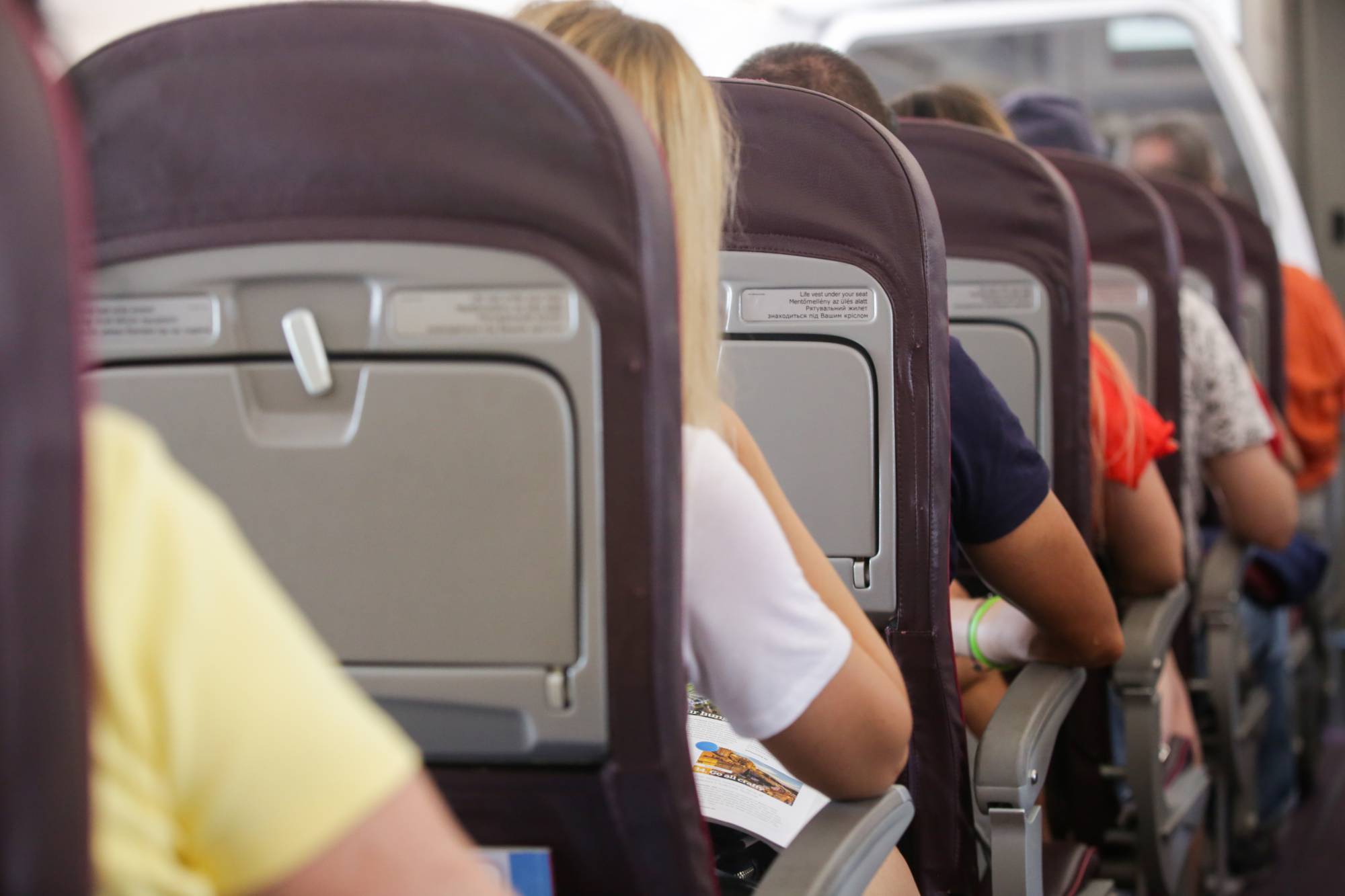
It’s difficult to account for this recent uptick, but it’s hard to dispute that air rage has become a growing problem over the past few decades. The usual explanations — shrinking legroom, alcohol and flight delays — have merit. But these are arguably overshadowed by a decades-long trend: the transformation of air travel from an elite prerogative to a service that divides passengers into haves and have nots.
This wasn’t a problem in the early years of aviation — and not necessarily because wealthy passengers were better behaved. Look carefully at the interior of the Pan Am Clipper, which crossed the oceans in the late 1930s. They featured comfortable beds, luxurious fittings and delicious dinners served on china. These flying palaces gave passengers a remarkable amount of room to sit, lounge, walk and mingle. They weren’t claustrophobic in the least.
Most important of all, perhaps, was the fact that they weren’t stratified by class: Everyone enjoyed the same luxuries. There was no distinction between first class, business class and coach. Every passenger belonged to the elite.
In a time of both misinformation and too much information, quality journalism is more crucial than ever.
By subscribing, you can help us get the story right.
With your current subscription plan you can comment on stories. However, before writing your first comment, please create a display name in the Profile section of your subscriber account page.