


MELBOURNE – I’m writing from Victoria, the Australian state that became, in 1970, the first jurisdiction in the world to make it compulsory to wear a seat belt in a car. The legislation was attacked as a violation of individual freedom, but Victorians accepted it because it saved lives. Now most of the world has similar legislation. I can’t recall when I last heard someone demanding the freedom to drive without wearing a seat belt.
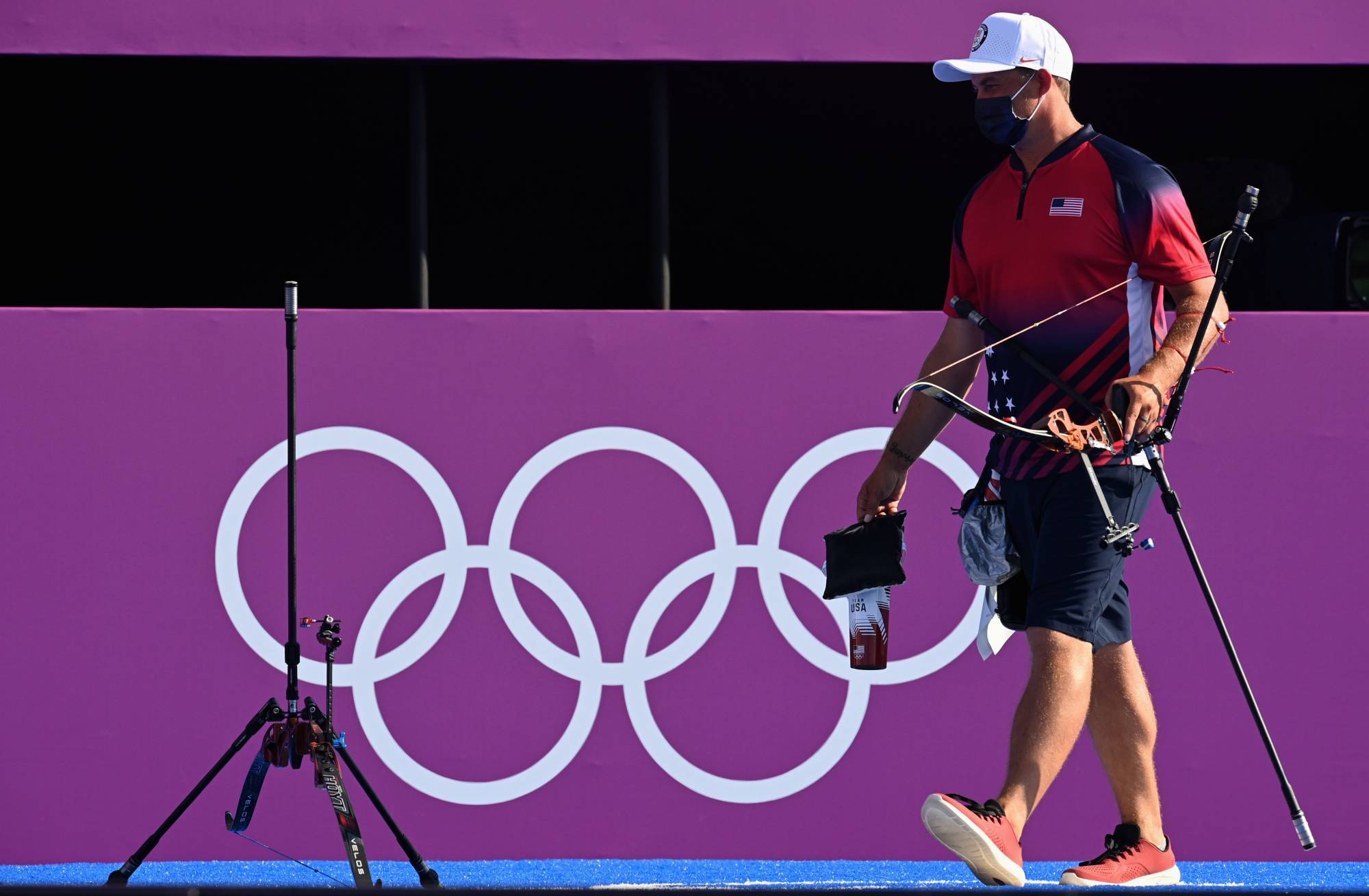
Instead, we are now hearing demands for the freedom to be unvaccinated against the virus that causes COVID-19. Brady Ellison, a member of the United States Olympic archery team, says his decision not to get vaccinated was “one hundred percent a personal choice,” insisting that “anyone that says otherwise is taking away people’s freedoms.”
The oddity, here, is that laws requiring us to wear seat belts really are quite straightforwardly infringing on freedom, whereas laws requiring people to be vaccinated if they are going to be in places where they could infect other people are restricting one kind of freedom in order to protect the freedom of others to go about their business safely.
Don’t misunderstand me. I strongly support laws requiring drivers and passengers in cars to wear seat belts. In the U.S., such laws are estimated to have saved approximately 370,000 lives and to have prevented many more serious injuries. Nevertheless, these laws are paternalistic. They coerce us to do something for our own good. They violate John Stuart Mill’s famous principle: “the only purpose for which power can be rightfully exercised over any member of a civilized community, against his will, is to prevent harm to others.” The fact that the coercion is for the individual’s own good is “not a sufficient warrant.”
There is a lot to be said for this principle, especially when it is used to oppose laws against victimless acts like homosexual relations between consenting adults or voluntary euthanasia. But Mill had more confidence in the ability of members of “civilized” communities to make rational choices about their own interest than we can justifiably have today.
KEYWORDS
In a time of both misinformation and too much information, quality journalism is more crucial than ever.
By subscribing, you can help us get the story right.
With your current subscription plan you can comment on stories. However, before writing your first comment, please create a display name in the Profile section of your subscriber account page.