


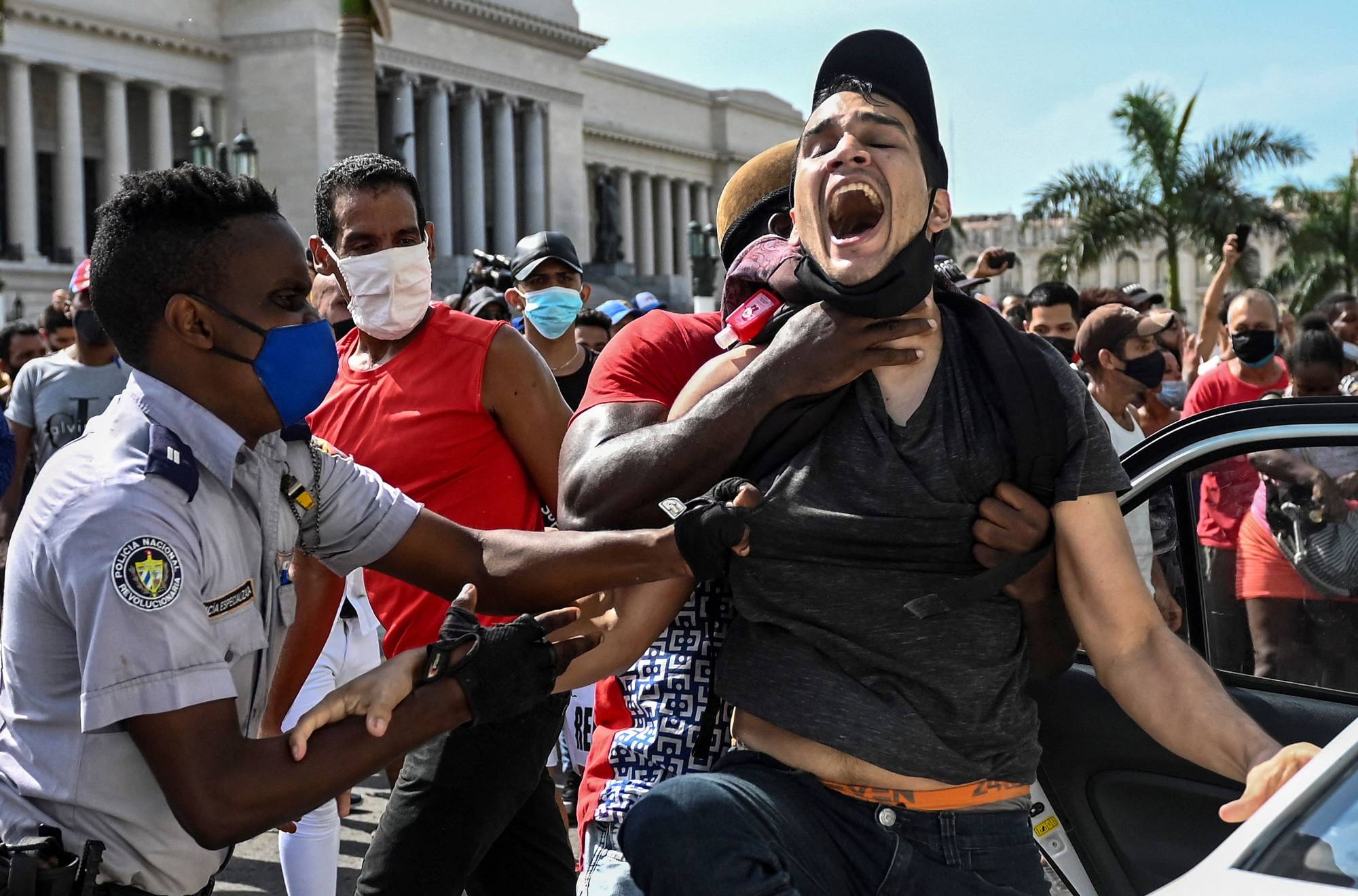
New York – If there was a category in the Guinness World Records for the most ineffective foreign policy decisions ever made, the Cuban embargo by the United States would probably be among the leading contenders. How else can we categorize a policy that in more than 60 years hasn’t produced any of the desired effects?
Let’s see. It hasn’t ended the Castro brothers’ dictatorial rule over the country. It hasn’t fostered a popular uprising against the regime or led to its downfall. It hasn’t improved living conditions for the Cuban people. It hasn’t fostered better communication with the Cuban government or closer economic ties. And it certainly hasn’t improved the U.S. image in the world.
If anything, the embargo has only succeeded in subjecting Cubans to a life of privation and misery. On several visits to the island on U.N.-sponsored public health missions I witnessed the limited food choices available to Cubans. Going into a bodega was an exercise in frustration. Store shelves were emptier than an unlucky beggar’s cup — not so though in the stores for diplomats, the government elite and its favored artists and sports figures.
On June 23, 2021, the U.N. General Assembly voted on a resolution demanding the U.S. end its economic embargo against Cuba. A total of 184 countries voted in favor while the U.S. and Israel opposed the measure, and three nations abstained.
Granted that the U.N. General Assembly is a very political body, but still, is the U.S. so arrogant as to believe so many countries are wrong? And even worse, the communist government of Cuba uses the embargo to justify its shortcomings and use it to increase its grip on power.
KEYWORDS
In a time of both misinformation and too much information, quality journalism is more crucial than ever.
By subscribing, you can help us get the story right.
With your current subscription plan you can comment on stories. However, before writing your first comment, please create a display name in the Profile section of your subscriber account page.