


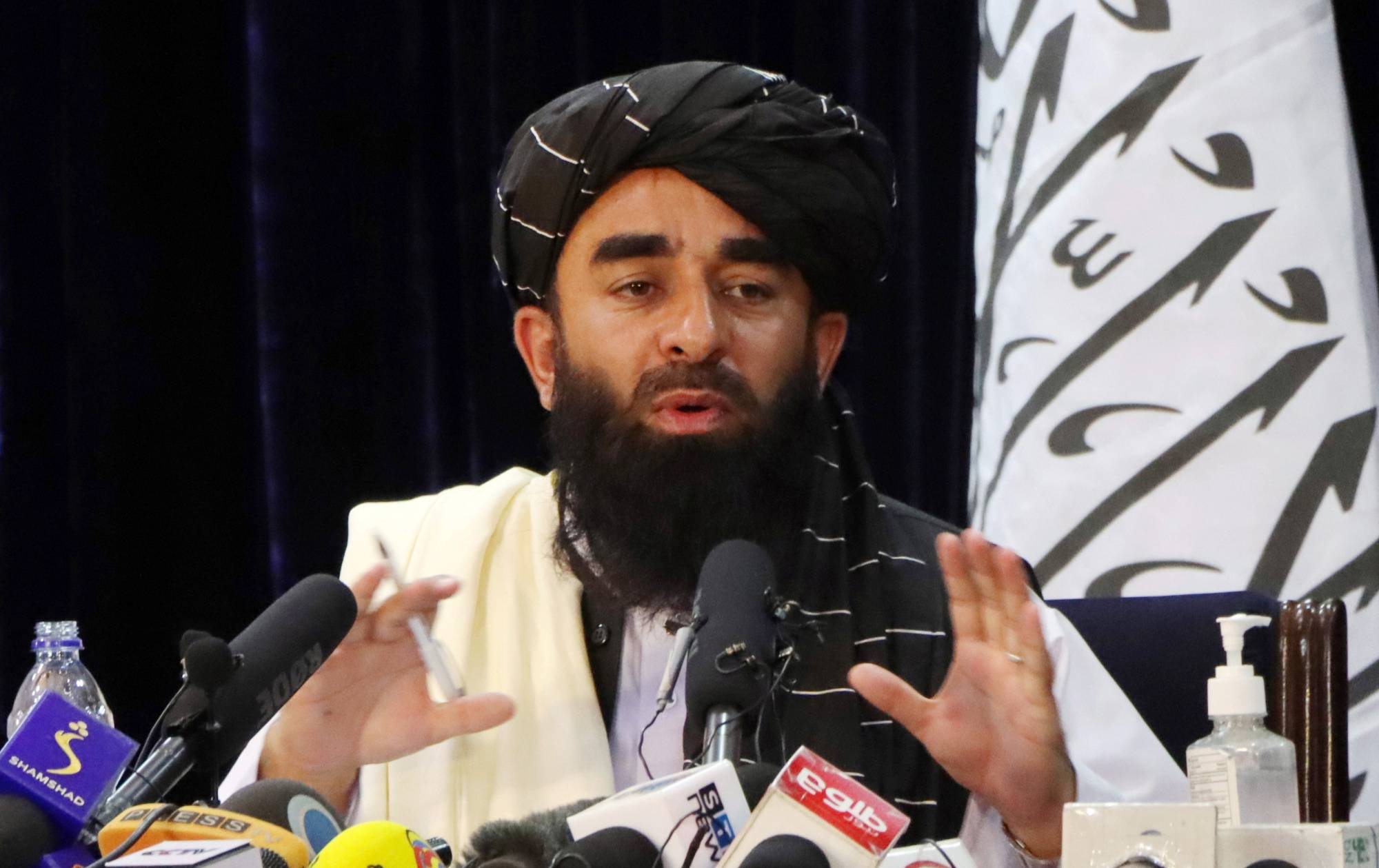
LONDON – By hastily withdrawing American troops from Afghanistan, U.S. President Joe Biden has made a grave mistake, or so many argue.
U.S. Senate Minority Leader Mitch McConnell, for example, has called the Taliban’s swift takeover of the country an “even worse sequel to the humiliating fall of Saigon in 1975.” That sequel, top U.S. generals, conservatives and even some liberals predict, will be characterized by the resurgence of transnational terrorism.
The prediction is straightforward. As an Islamist militant group, the Taliban will inevitably provide al-Qaida — and potentially other extremist groups, such as the Islamic State (ISIS) — with a sanctuary to recruit, train and plan attacks against the West.
By next month, McConnell warns, al-Qaida and the Taliban will be celebrating the 20th anniversary of the terrorist attacks of Sept. 11, 2001, by “burning down (the U.S.) embassy in Kabul.”
But there is a flaw in this assessment: It assumes that there is not much daylight between the Taliban and al-Qaida. In reality, while the two groups do share a similar religious ideology and worldview, they have very different objectives.
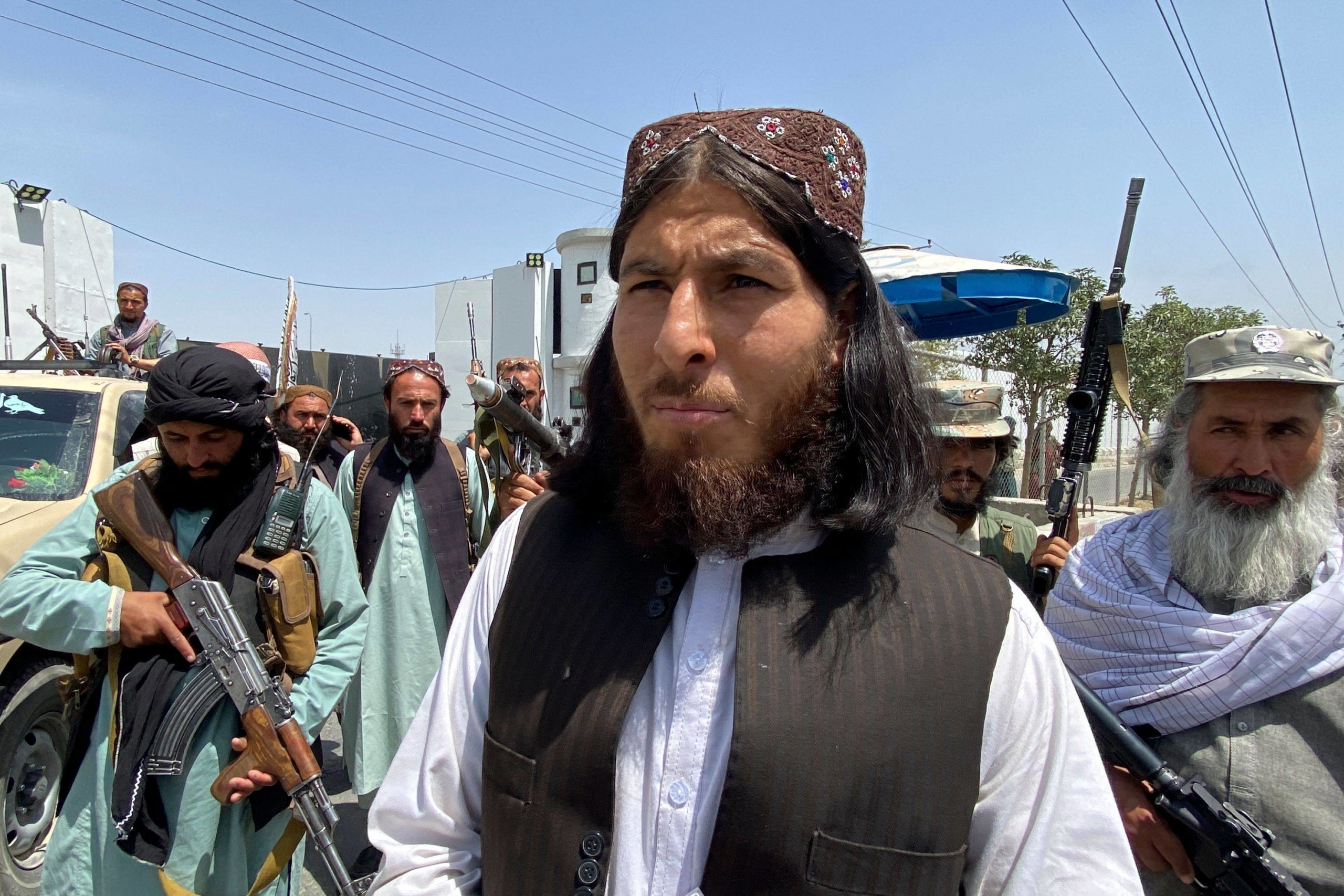
In a time of both misinformation and too much information, quality journalism is more crucial than ever.
By subscribing, you can help us get the story right.
With your current subscription plan you can comment on stories. However, before writing your first comment, please create a display name in the Profile section of your subscriber account page.