


The revolving door in Malaysian politics is worrisome.
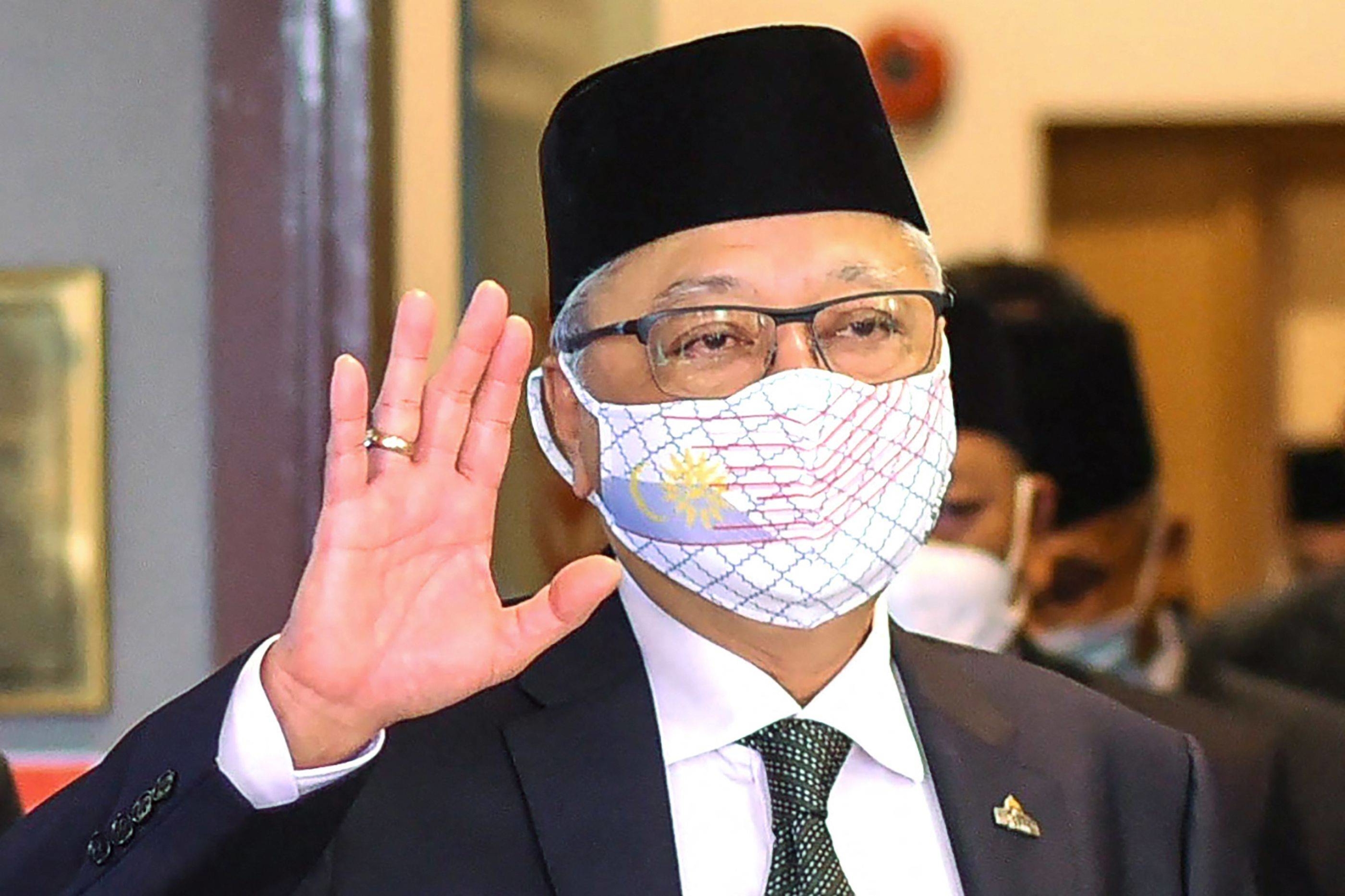
The country has had three prime ministers in three years. More troubling still is the return, in the last spin, of the old guard — the United Malays National Organization (UMNO) — in the person of Ismail Sabri Yaakob, sworn in as Malaysia’s ninth prime minister last weekend.
UMNO lost power after six decades in office when a multibillion-dollar scandal ensnared its leading figures, including Prime Minister Najib Razak. The return of UMNO without the endorsement of voters is a cynical and disillusioning moment for Malaysia. Overturning the verdict of the voters in a democracy is always dangerous.
UMNO was forced from office in 2018, after ruling Malaysia since the country won its independence in 1957. The party had virtually institutionalized its rule on the back of a Malay nationalism that provided economic protection for the 56% of the population that identified as Malay. As is so often the case, the party ossified and was widely viewed as captured by vested interests, if not corrupt.
Voters’ threshold for tolerance was breached in 2018 when Najib was accused of involvement in a scandal involving the 1Malaysia Development Berhad, or 1MDB, a state fund. Some $4.5 billion is alleged to have been embezzled and spent, not on political favors but reportedly on yachts, jewelry and abstract paintings. Najib was convicted in 2020 on charges of financial misconduct and abuse of power, although he maintains his innocence as he appeals the verdicts.
KEYWORDS
In a time of both misinformation and too much information, quality journalism is more crucial than ever.
By subscribing, you can help us get the story right.
With your current subscription plan you can comment on stories. However, before writing your first comment, please create a display name in the Profile section of your subscriber account page.