


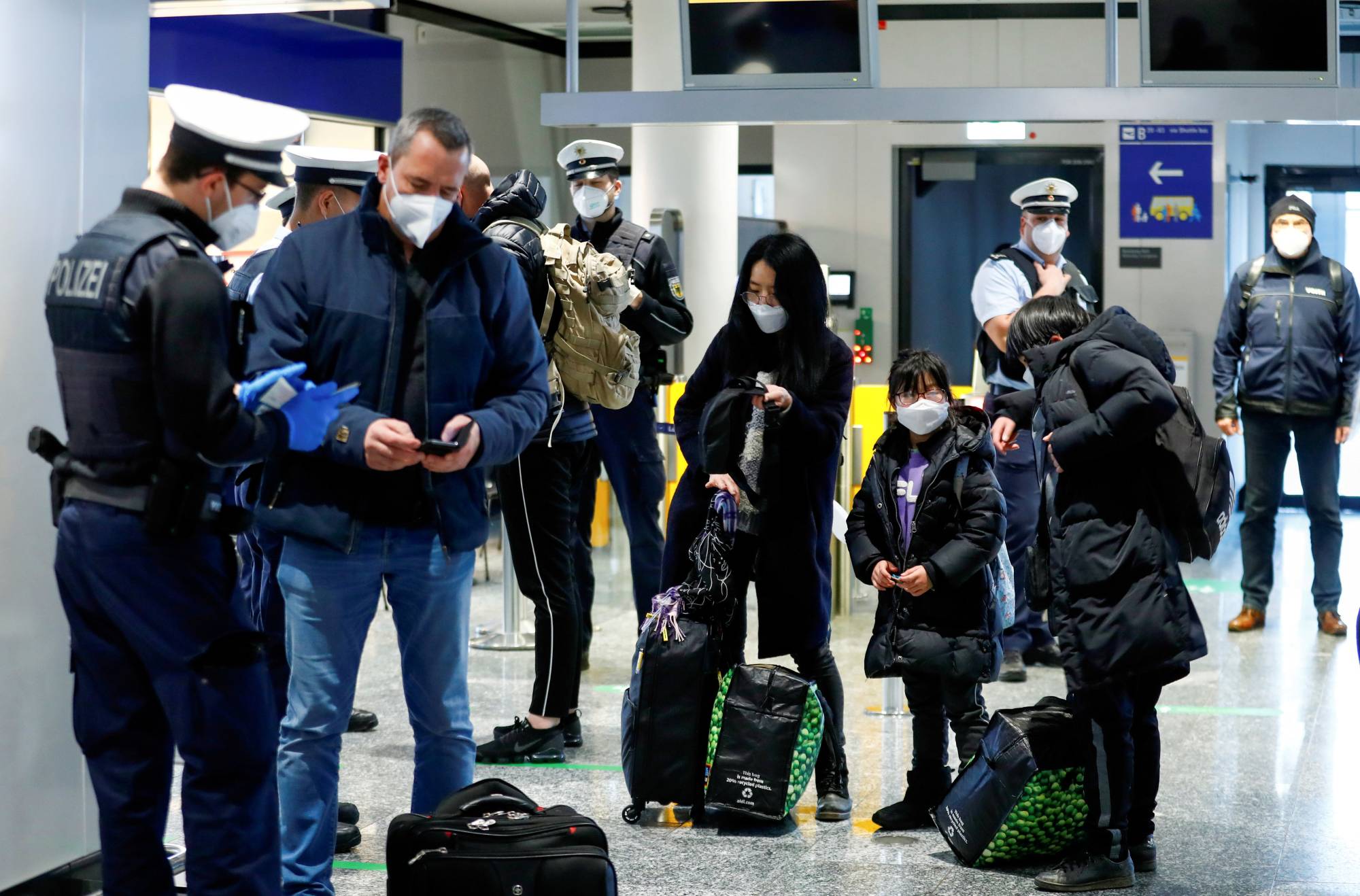
In reimposing travel curbs on Americans, the European Union is sending a message to the U.S. that is as much about diplomacy as it is about epidemiology.
Sure, there is data to nominally support the decision. A surge in cases driven by the delta variant’s spread has put the U.S. well beyond the recommended limits for nonessential travel to the EU.
There have been 588 new cases per 100,000 inhabitants in the two weeks ending Aug. 22, versus the guideline of 75. The U.S. was classified as “high-risk” by Germany back on Aug. 15.
But the build-up to this decision has been brewing all summer long, mirroring the kind of trans-Atlantic diplomatic to-and-fro seen in trade disputes. Officials in Brussels and member states have been waiting months for “reciprocity” from the Biden administration after the EU lifted curbs on the U.S. in June, just in time for the summer.
That reciprocity never came. A U.S. travel ban on Europeans remains in place, almost 600 days after it was introduced in March 2020. This has prompted EU exasperation and a sense that a different outcome might have been possible.
With your current subscription plan you can comment on stories. However, before writing your first comment, please create a display name in the Profile section of your subscriber account page.