


“It’s over,” U.S. President Joe Biden declared last week in a somber address to the nation and the world.
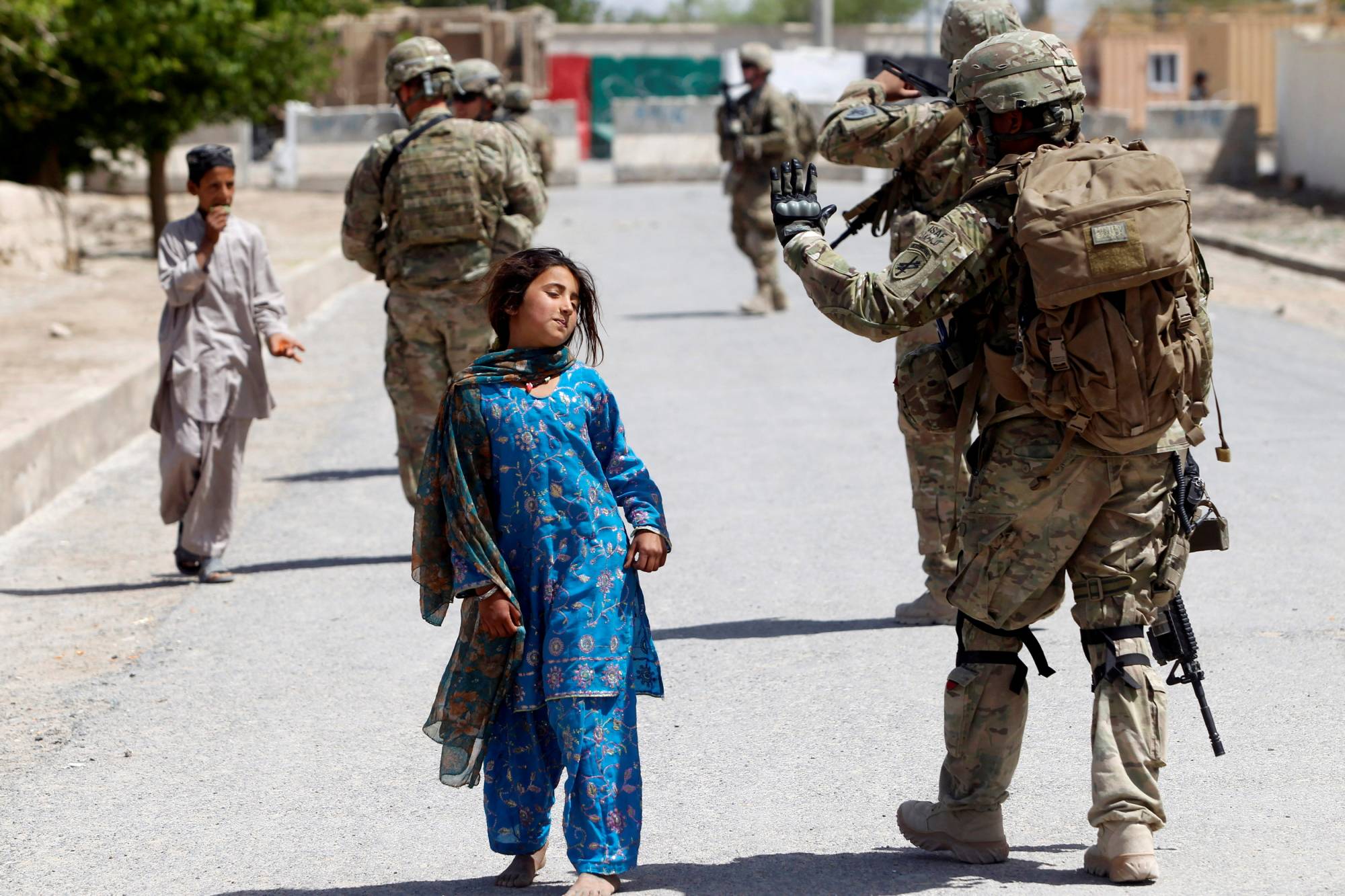
There were no celebrations to mark the conclusion of the withdrawal from Afghanistan and the end of a 20-year war that claimed tens of thousands of lives and cost trillions of dollars. It was sadly fitting, and likely inevitable, that the Afghanistan war would end as it did — chaotic, confused and with far more questions than answers.
After two decades of invasion and occupation, the enduring image of the conflict is likely to be the swirling mass of humanity that surrounded Hamid Karzai International Airport in the final days of the U.S. military presence. In our collective memory, the chaos of the final week will always overshadow the more than 100,000 people who were evacuated. Attention will invariably focus on the failures rather than the successes.
Was it worth it? We cannot say. The speed with which the Afghan government collapsed certainly suggests that the project to build a durable government failed. Corruption was endemic and factionalism prevailed. But for two decades, democracy and human rights flourished and may have even taken root. A generation of Afghan women were given new lives and while their future is uncertain, the dream of freedom and greater possibility may prove more powerful than the Taliban’s grim feudalism.
The threat from al-Qaida had been vanquished and the Taliban have said that they will not allow the group, or others that profess its same murderous purpose, to take sanctuary in their country. Only time will tell if those promises are sincere or if the new government will have the ability to enforce them. But if the Taliban wants to avoid the international isolation that marked their first term in power, then they will have to do their utmost to prevent Afghanistan from becoming a terrorist haven.
KEYWORDS
In a time of both misinformation and too much information, quality journalism is more crucial than ever.
By subscribing, you can help us get the story right.
With your current subscription plan you can comment on stories. However, before writing your first comment, please create a display name in the Profile section of your subscriber account page.