


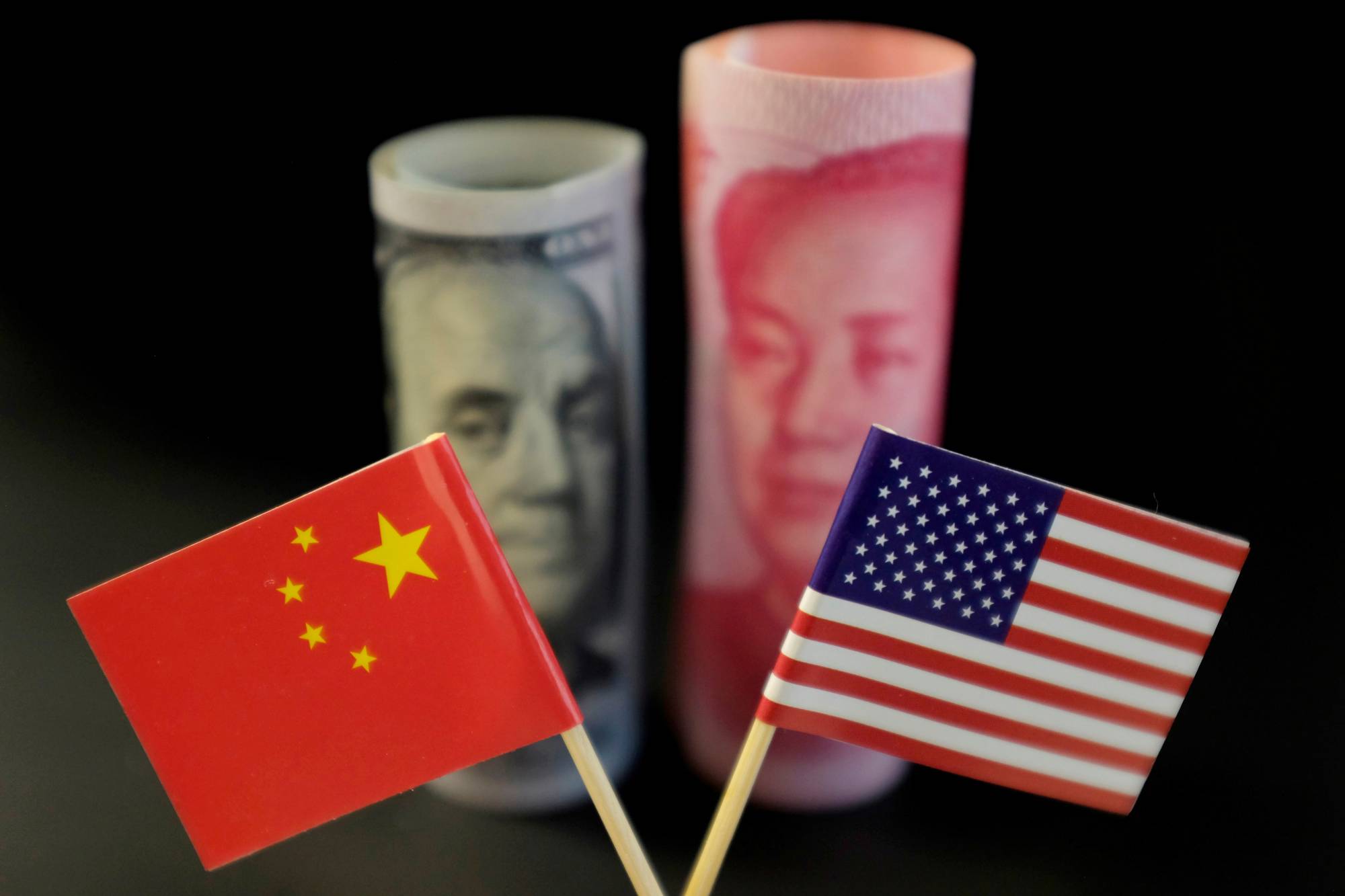
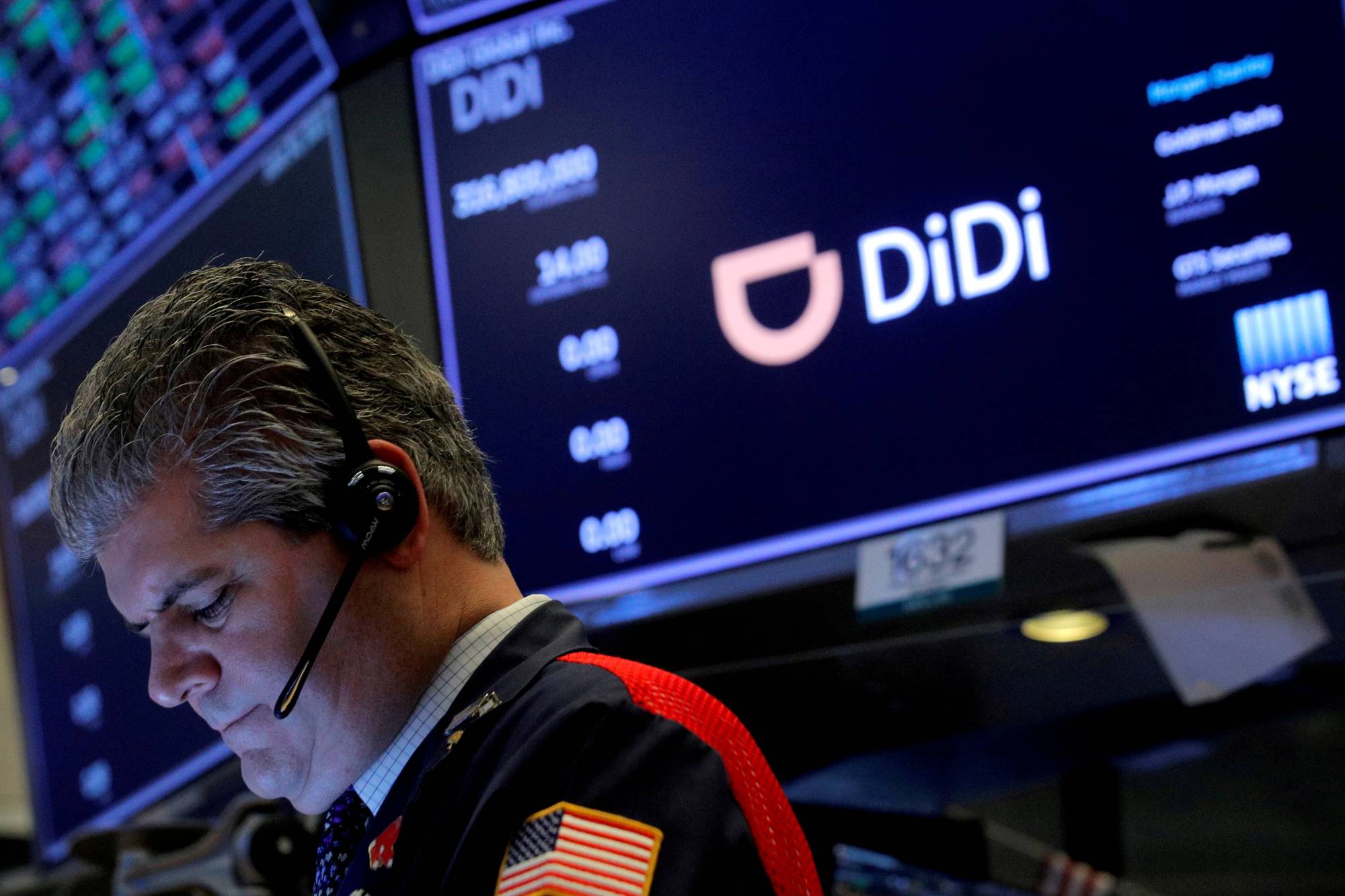
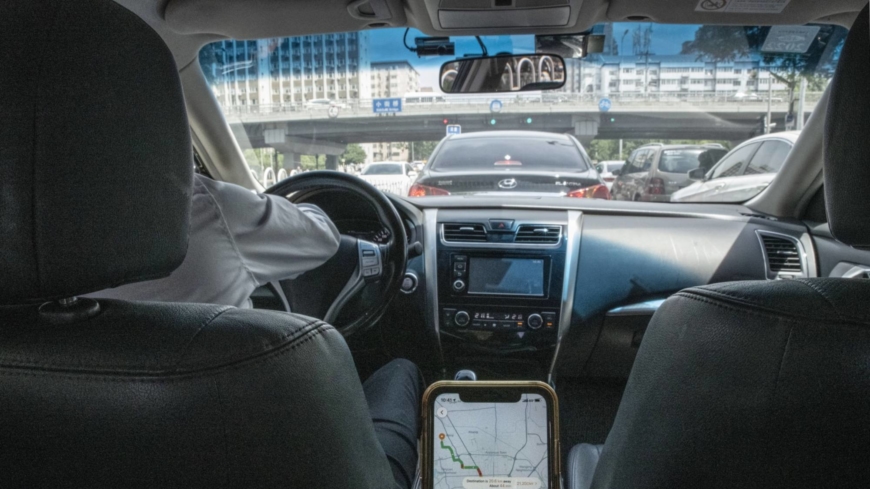
Didi Global Inc., China’s largest ride-hailing app operator, went public on the New York Stock Exchange on June 30, pricing its initial public offering at the top of its range at $14 (¥1,540), meaning its total market value would reach some ¥8 trillion.
It is not surprising that the market welcomed the debut, considering the company’s rapid growth in the roughly nine years after its launch, making full use of artificial intelligence and data systems as its business strategy.
But shock waves hit the market only a few days later. Didi shares fell as much as 25% compared to the closing price from the previous week, after Chinese regulators on July 4 ordered app stores to remove the company’s app, citing serious legal violations regarding its collection and usage of personal information, and the Chinese government announced on July 6 it would tighten oversight of companies listed overseas.
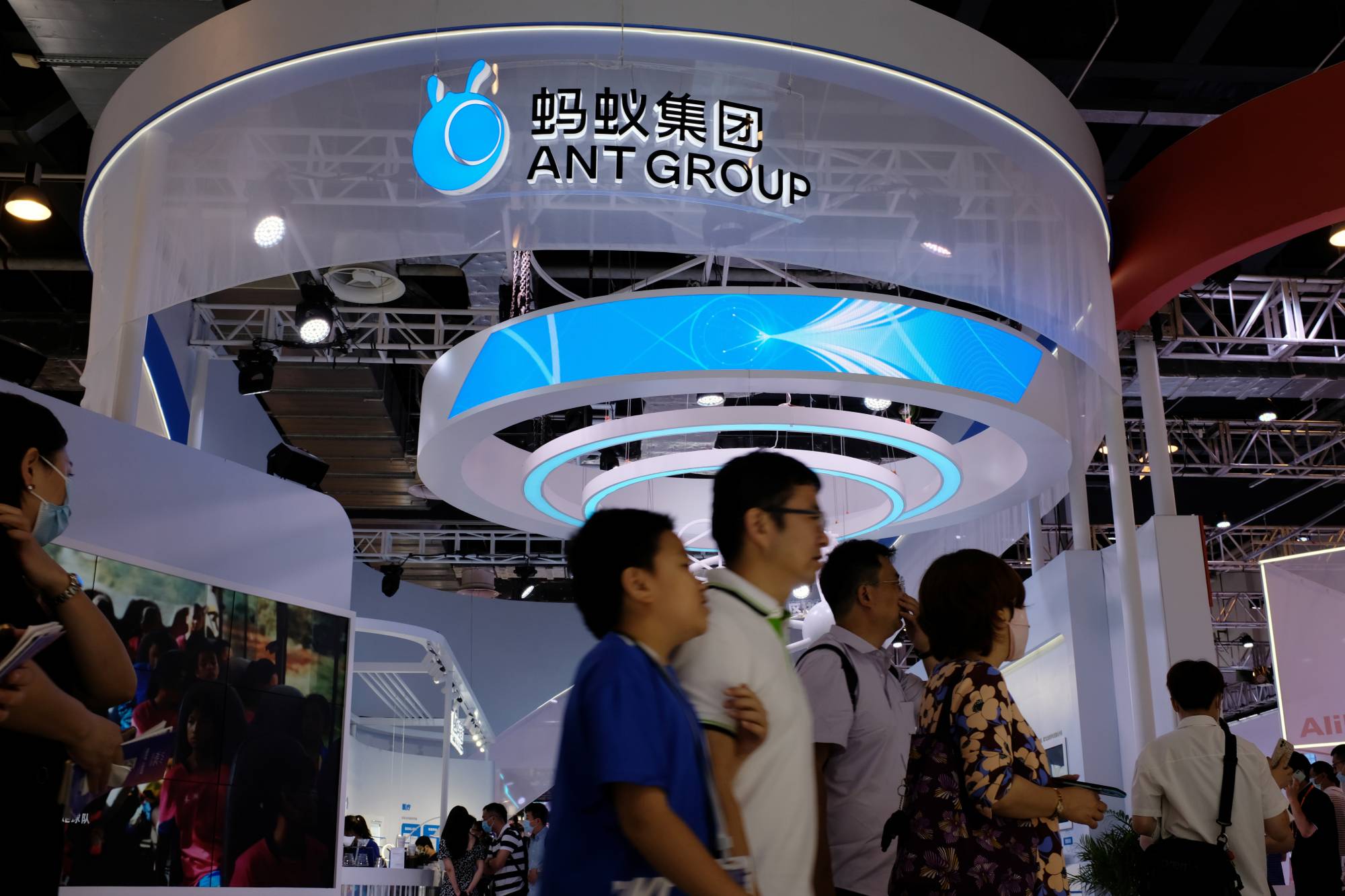
The Didi crash, along with the suspension of the Chinese fintech giant Ant Group’s listing — dubbed the largest listing in a century — on the Nasdaq-style STAR Market in Shanghai and also in Hong Kong in November, made Wall Street investors worry about where the financial friction between the United States and China will lead.
‘Chimerica’ structure
KEYWORDS
In a time of both misinformation and too much information, quality journalism is more crucial than ever.
By subscribing, you can help us get the story right.
With your current subscription plan you can comment on stories. However, before writing your first comment, please create a display name in the Profile section of your subscriber account page.