


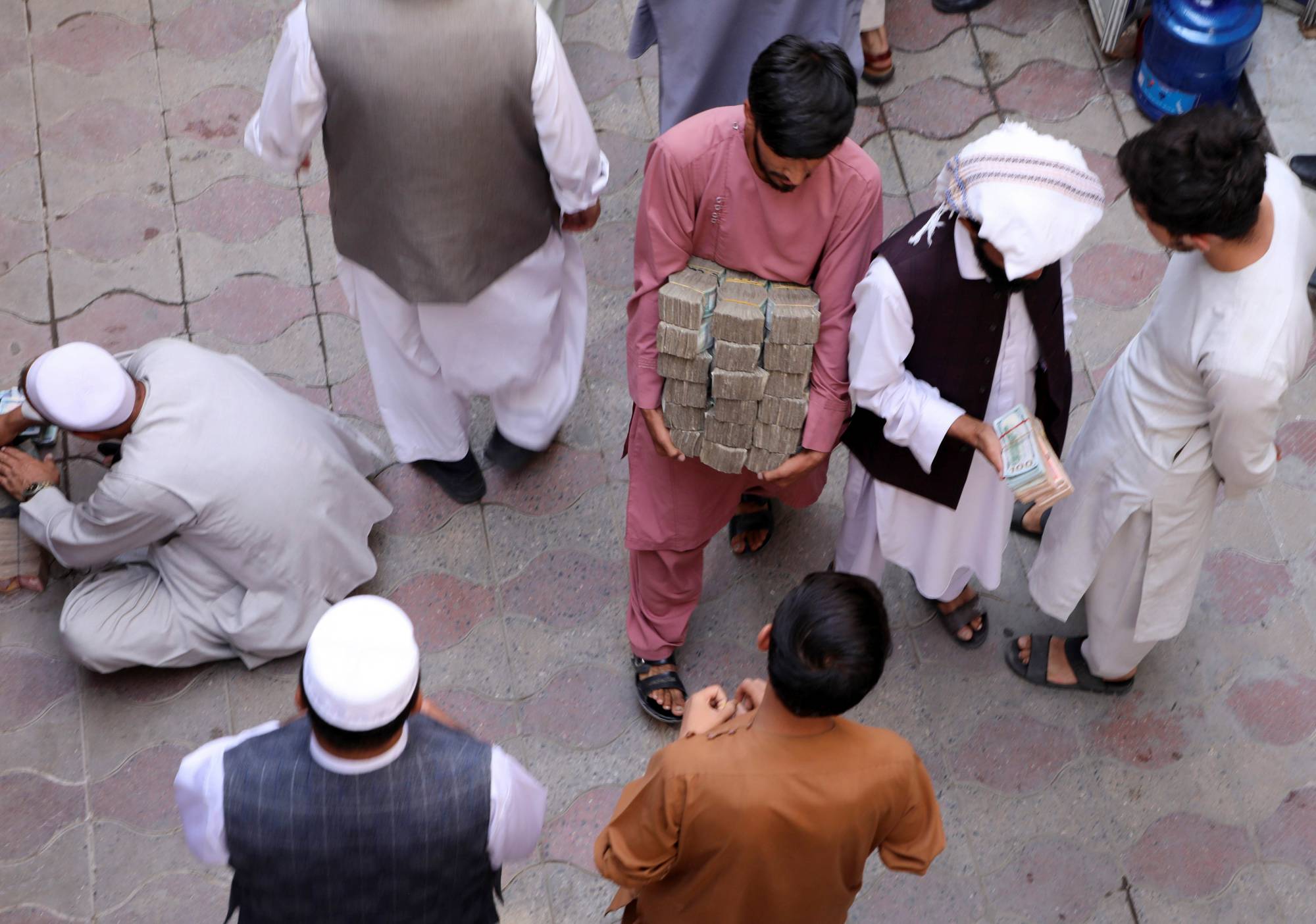
There are optimistic suggestions that the hard-won integration of Afghanistan into the global economy will remain despite the ascendancy of the Taliban and the withdrawal of the U.S.
A number of commentators have suggested that China — which the Taliban have declared their strongest ally — could become Afghanistan’s primary economic supporter and help the country stay part of the global system. That analysis is unrealistic.
For one, it ignores the sanctions regime imposed by the international community on the Taliban. Those restrictions apply not only to financial transactions, but to business ones as well. All companies — not only banks — must comply with the framework against financing terrorism and money laundering. The central bank of Afghanistan (DAB) — which I presided over until the fall of Kabul in August — worked with its international partners to prohibit such transactions. Now, Afghanistan and DAB under the Taliban are likely to be treated as sanctioned entities by the rest of the world.
In addition to the financial implications, there will be three additional consequences to this situation.
First, Afghanistan’s physical money supply will be impaired. This is because the central bank does not print its own currency: DAB typically receives afghanis produced by specialist firms overseas. The bank expected 2 billion afghanis in small-denominated notes from a Polish currency company in August. It had also signed a contract with a French firm for the supply of another 100 billion afghanis for the following year. I am relatively certain that these deliveries cannot be made.
KEYWORDS
In a time of both misinformation and too much information, quality journalism is more crucial than ever.
By subscribing, you can help us get the story right.
With your current subscription plan you can comment on stories. However, before writing your first comment, please create a display name in the Profile section of your subscriber account page.