


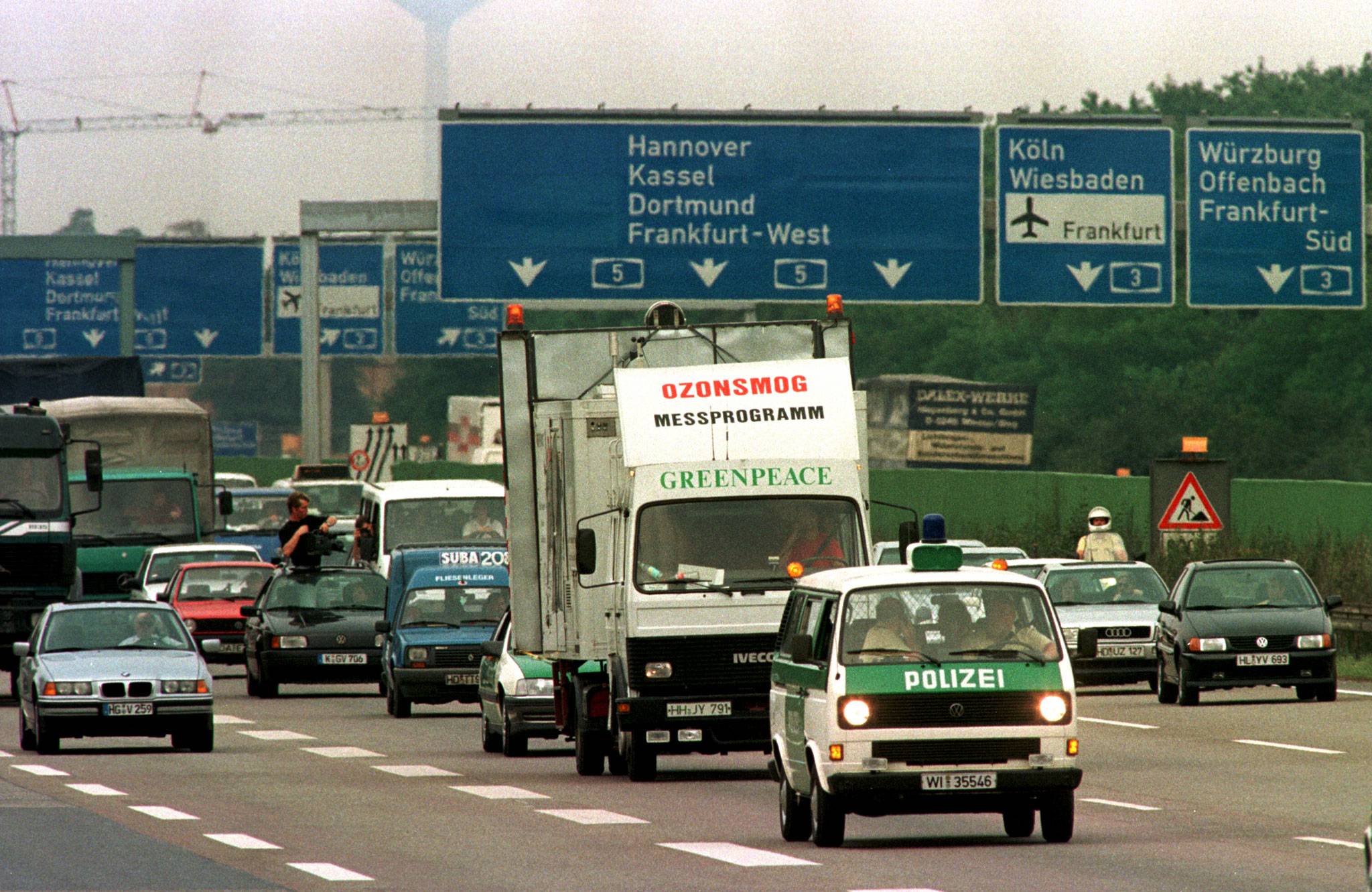
Could Germans’ cherished right to drive as fast as they like on the autobahn soon be outlawed?
With the country’s center-left Social Democrats now leading the polls ahead of this month’s federal election, we shouldn’t rule it out: If voted in, they promise to limit motorway speeds to a maximum of 130 km per hour (81 miles per hour). Possible coalition partners, the Greens and Left party, also want a highway speed cap.
For libertarians and petrol-heads, not to mention the German engineers who spent decades building ever more powerful combustion engines, this would be hugely disappointing.
I enjoy my autobahn freedoms as much as the next German, but faced with a worsening climate crisis, high speeds are becoming harder to defend. Motorway speed limits can lower fuel consumption and thereby cut pollution, including planet-heating emissions.
This doesn’t just apply to road users. The shipping industry has been able to improve emissions just by sailing more slowly. Meanwhile, the European Union hopes higher aviation fuel taxes will encourage us to ditch planes for slower, greener trains. Although slower travel is no panacea, it does offer a quick environmental win, whereas full adoption of clean technology will take years.
KEYWORDS
In a time of both misinformation and too much information, quality journalism is more crucial than ever.
By subscribing, you can help us get the story right.
With your current subscription plan you can comment on stories. However, before writing your first comment, please create a display name in the Profile section of your subscriber account page.