


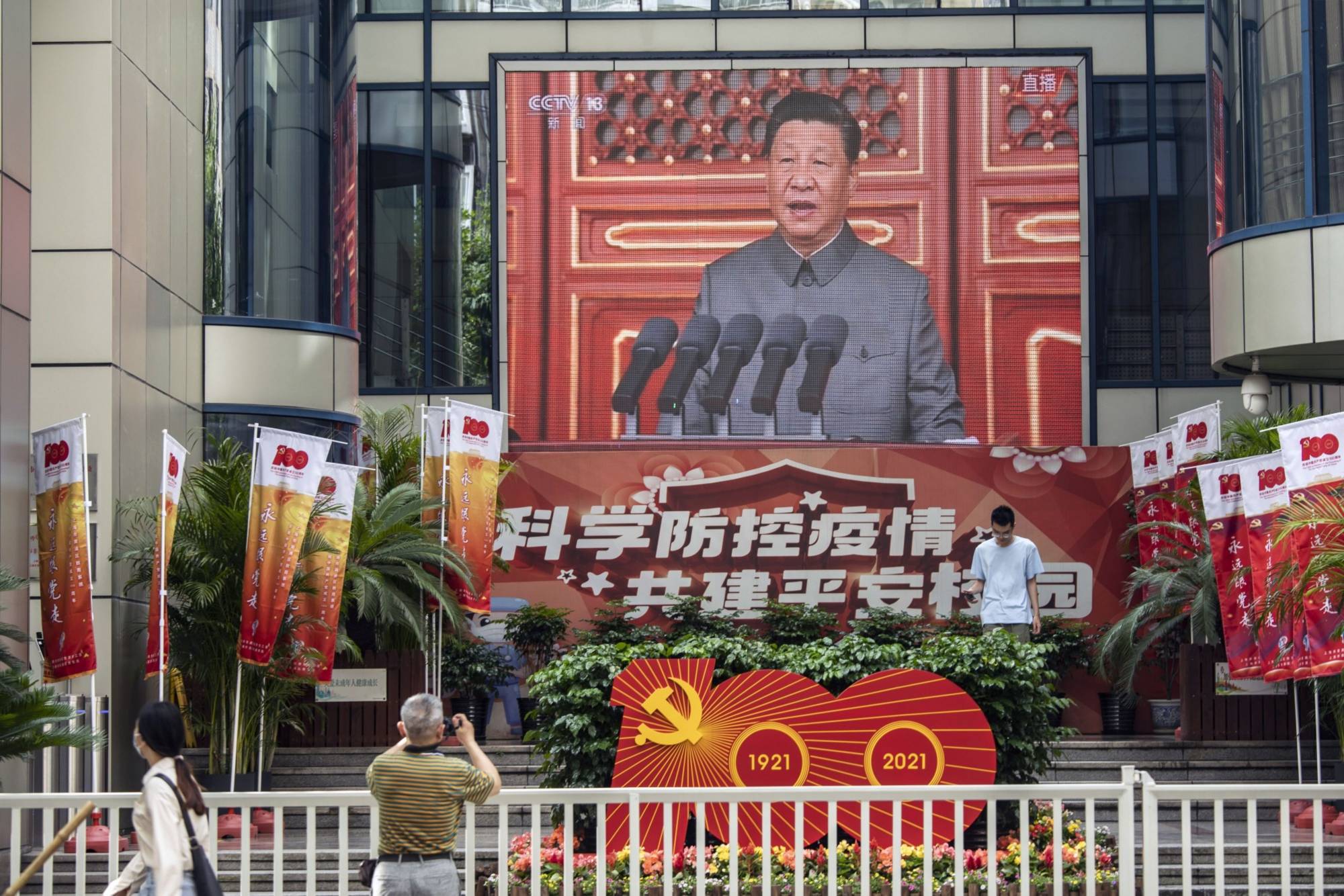
Tokyo is seeing something extraordinary unfolding in China. Successful IT companies, for-profit tutoring schools, celebrities in the entertainment world and other figures or firms considered to be wealthy are being clamped down upon under the government’s new so-called “common prosperity” push.
Technology and IT giants Alibaba Group, Tencent and ByteDance reportedly doled out more than 200 billion Chinese yuan in donations to education and employment promotion funds. A famous star was abruptly removed from the cast credits of her movies. A popular actor was ordered to pay heavy fines for tax evasion.
Many in Tokyo were bewildered when Alibaba co-founder Jack Ma disappeared for a few months in 2020-2021. Later it was learned his disappearance coincided with a regulatory crackdown on his businesses. Until recently, however, Tokyo had no clue about the real reasons behind the crackdown — which is signified by Xi Jinping’s new common prosperity policy.
What is “common prosperity”?
When I was stationed in Beijing from 2000 to 2004 as the information and cultural minister at the Embassy of Japan, there were already rich Chinese about, but hardly any super-rich. Many people at the time seemed to enjoy a decent life. Over the past two decades, however, the economic prosperity gap has widened in China.
KEYWORDS
In a time of both misinformation and too much information, quality journalism is more crucial than ever.
By subscribing, you can help us get the story right.
With your current subscription plan you can comment on stories. However, before writing your first comment, please create a display name in the Profile section of your subscriber account page.