


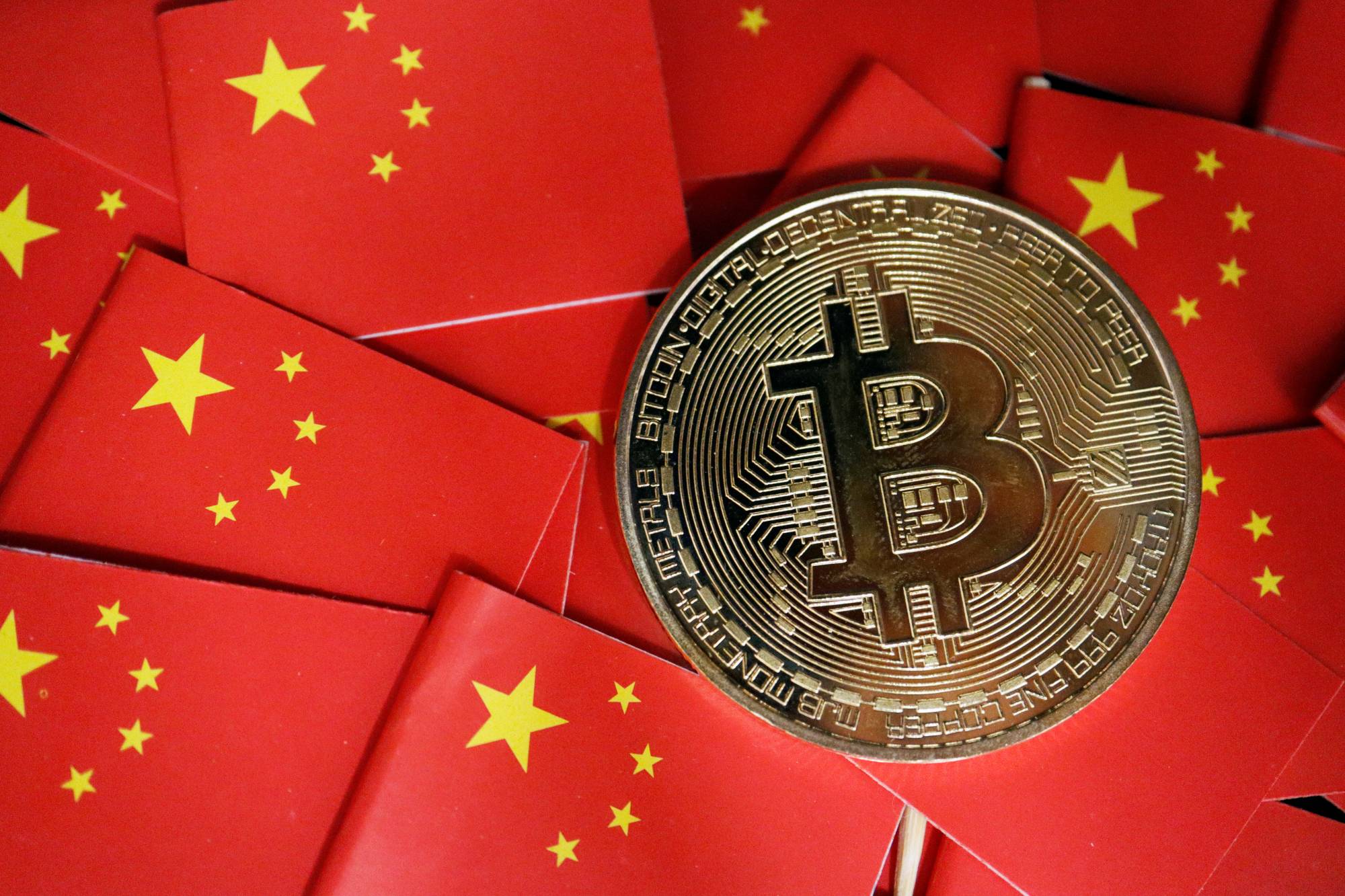
The cryptocurrency crowd has wasted no time in dancing on the grave of China’s “FUD” (internet speak for fear, uncertainty and doubt). Last week’s move by the People’s Bank of China to ban crypto transactions and mining dented the prices of Bitcoin, Ethereum and other digital currencies, but they’ve largely rebounded.
The bulls reckon the latest attempt by Beijing to crack down on crypto — the seventh, by research firm Fundstrat’s calculations — will fail to throttle an asset that bypasses borders and banking systems. They also hope that what seems “bad” for crypto will prove to be “good.” Advocates are using China’s ban as ammunition to promote an opportunity for America: It can lead the way for a more permissive approach to crypto.
This looks like the kind of warped logic that paints Bitcoin mining as a “green” form of energy use, even as it breathes new life into aging fossil-fuel power plants. What’s bad for crypto sometimes really is just bad.
The jury may be out on whether this ban will be more successful than previous ones, but painting it as a way for the U.S. to steal a march on China is a stretch. The Biden administration has made clear it sees cryptocurrencies as fuel for ransomware, a vehicle for fraud and a potential threat to financial stability and post-COVID-19 reconstruction.
The crypto industry has attempted to plead for more lenient treatment as a poke in China’s eye in the past — see Facebook Inc.’s Mark Zuckerberg’s defense of the Libra project — to no avail. More regulation of this sector is undoubtedly on the way, and those on the frontlines know it.
KEYWORDS
In a time of both misinformation and too much information, quality journalism is more crucial than ever.
By subscribing, you can help us get the story right.
With your current subscription plan you can comment on stories. However, before writing your first comment, please create a display name in the Profile section of your subscriber account page.