


It has been a busy month for politics, with national elections taking place in a number of countries around the world. In almost every case, continuity has prevailed, even when leadership has changed.
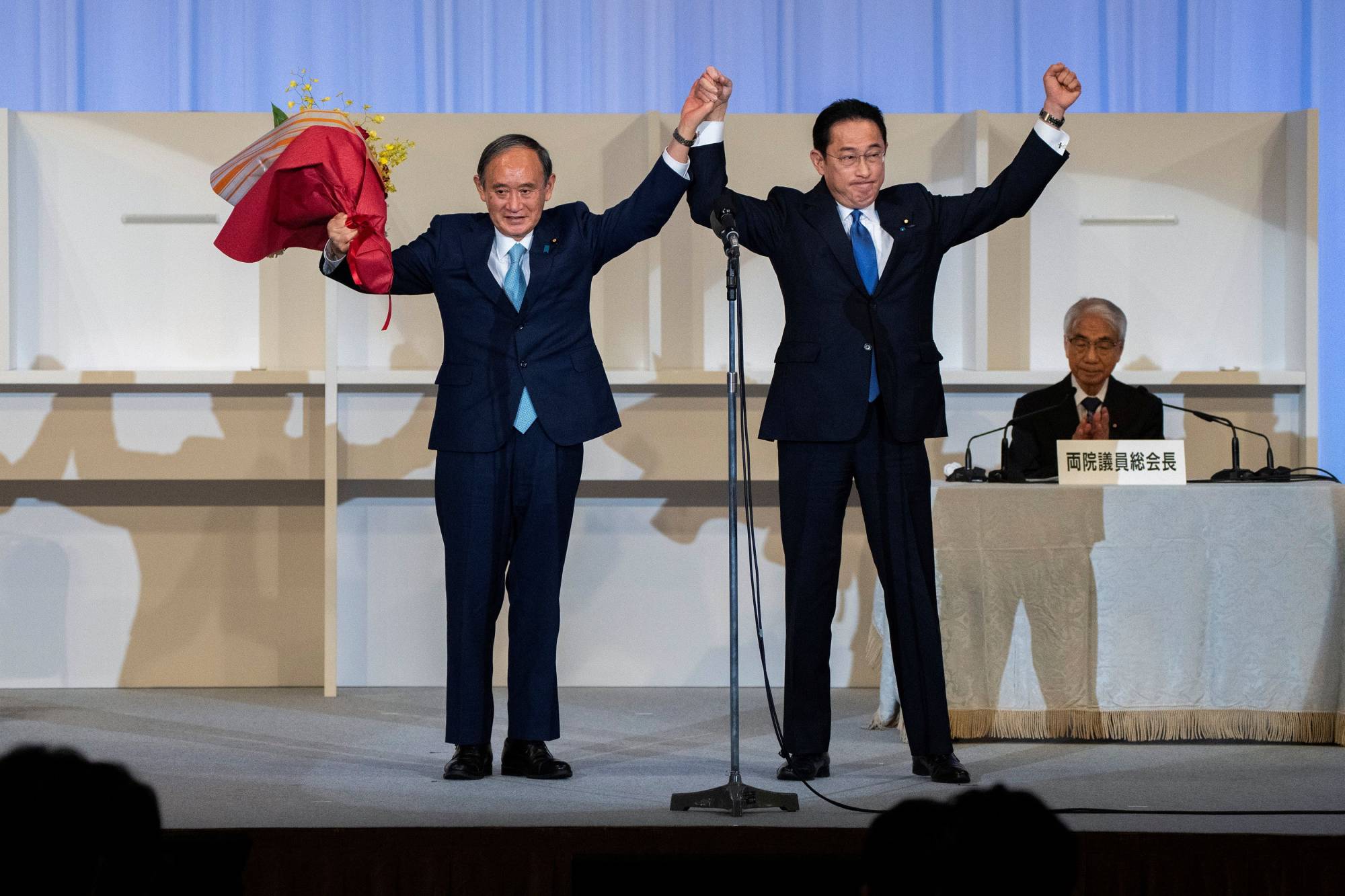
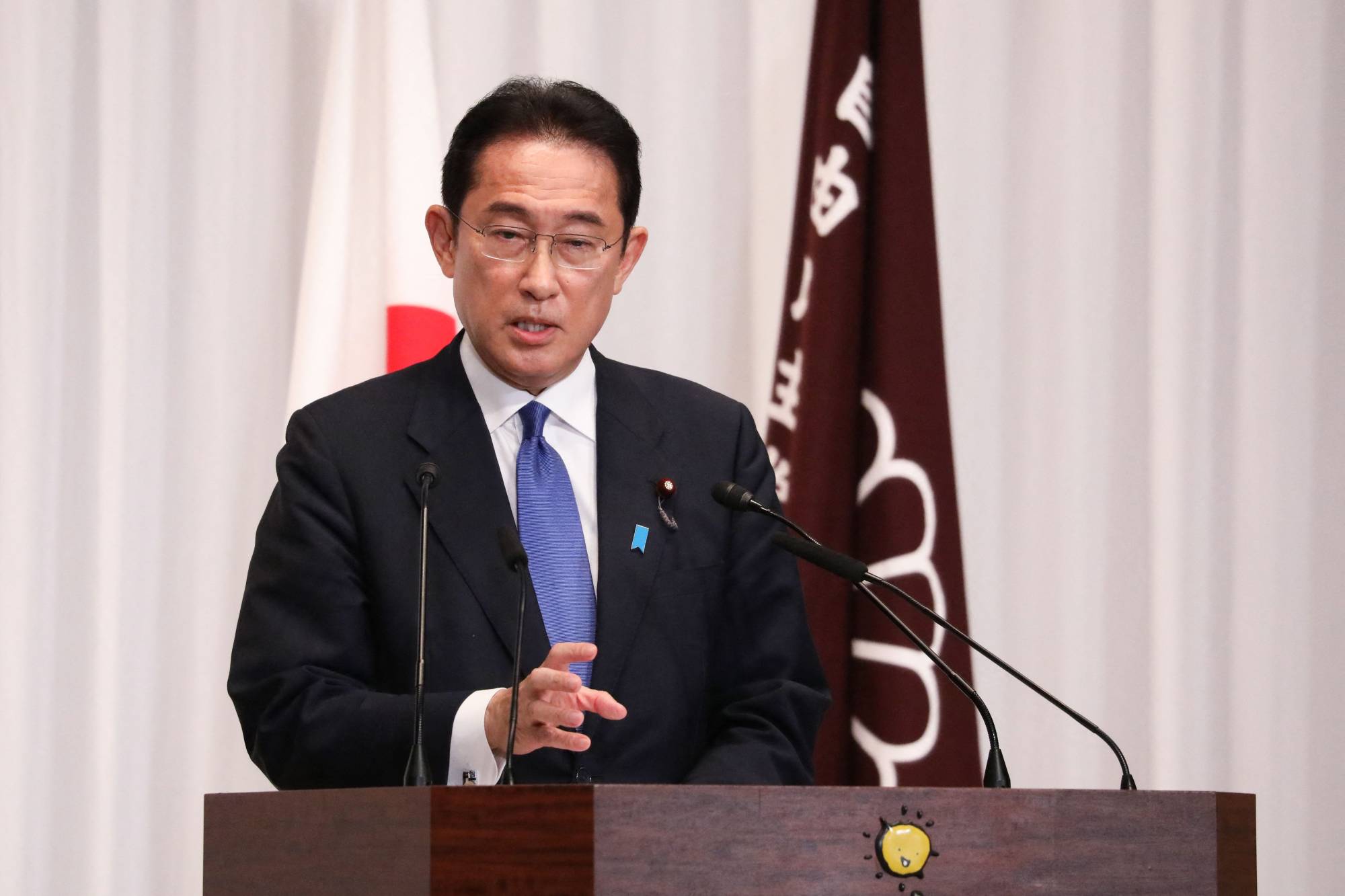
The recent events in Japan are typical, with the election of Fumio Kishida as president of the ruling Liberal Democratic Party (LDP) assuring that the policies of the last decade, or since his party retook power, will remain in place. While stability is important, more will be required of governments at a time of sharp and growing challenges.
Last month, Russia held parliamentary elections that, to the surprise of no one, were won by President Vladimir Putin’s United Russia party. United Russia claimed 314 seats, which, while a loss of 20 from the previous ballot in 2016, allowed it to maintain its supermajority in parliament.
While the government did its best to crack down on the opposition, independent observers have alleged widespread fraud was the eventual guarantee of the landslide win. The victory, however achieved, will be used to show that Putin maintains his iron grip on the political system and commands the support of the Russian people.
Canadians went to the polls that same weekend after Prime Minister Justin Trudeau called a snap election that was intended to secure a majority after serving for two years as head of a minority government and to shore up his standing. Trudeau’s Liberal Party prevailed, and while it won four more seats over the previous ballot in 2019, it remained 11 seats shy of a parliamentary majority.
KEYWORDS
In a time of both misinformation and too much information, quality journalism is more crucial than ever.
By subscribing, you can help us get the story right.
With your current subscription plan you can comment on stories. However, before writing your first comment, please create a display name in the Profile section of your subscriber account page.