


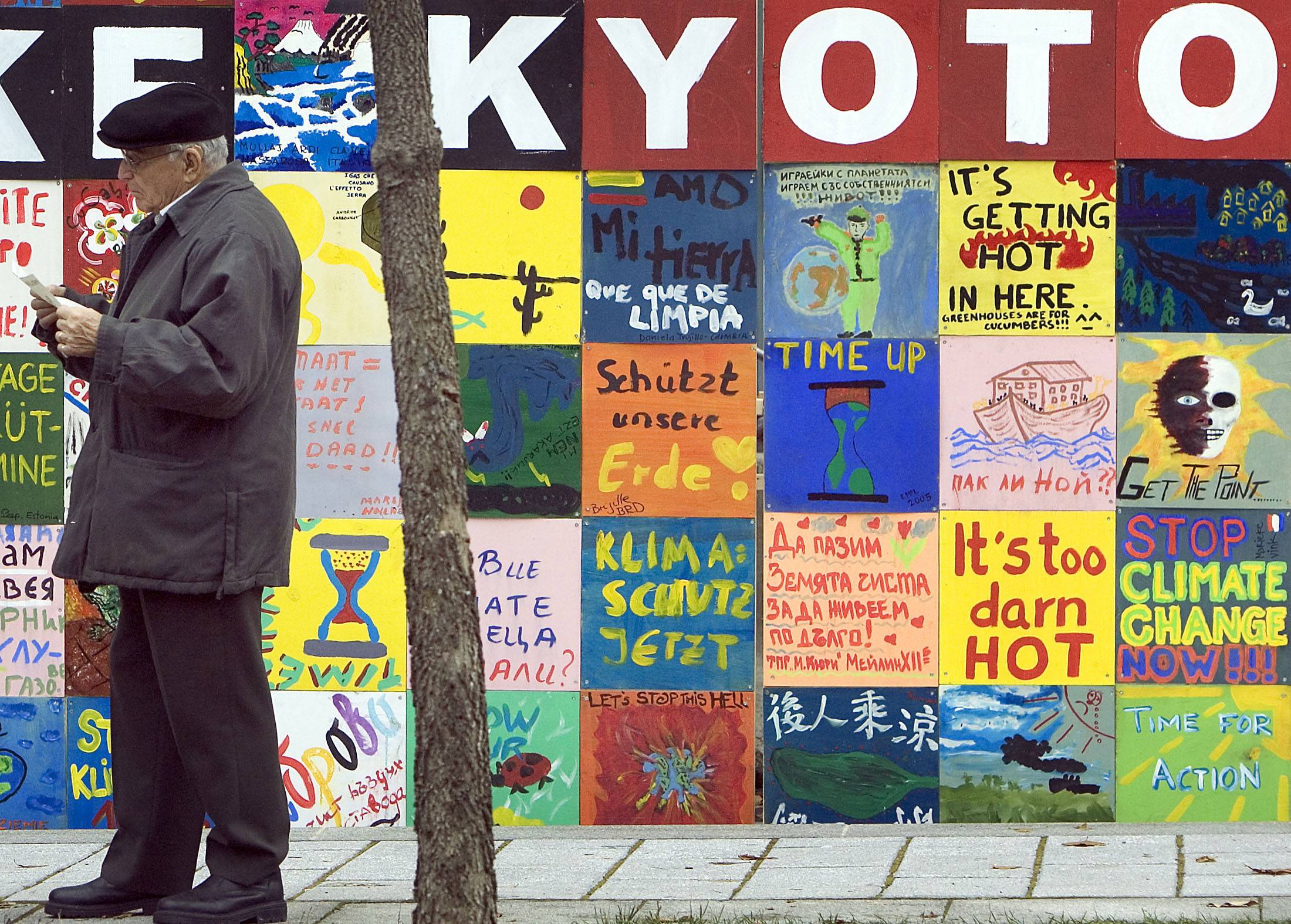
There have been 25 conferences under the United Nations Framework Convention on Climate Change since the body first met in 1995.
Over that period, some 894 billion metric tons of carbon dioxide, about 37% of all greenhouse pollution in human history, has been emitted. What makes anyone think that the 26th meeting starting Oct. 31 — COP26 — will be any more effective?
The answer lies in the age-old challenges of forging major international agreements — and it may be more hopeful than you think.
One adage of multilateralism is that effective global accords can be deep and narrow, or broad and shallow, but won’t work if they try to be both deep and broad. The 1987 Montreal Protocol, which controlled chemicals that damage the ozone layer, is a classic example of the former. The treaty’s effects are deep — it’s legally binding on every U.N. member state and on its own will reduce global warming by as much as one degree Celsius — but its scope is narrow, in regulating a single niche set of compounds.
The U.N.’s human rights treaties, on the other hand, set sweepingly broad global standards for relations between the individual and the state. Their enforcement, however, is shallow, with even signatories often appearing to treat them as worthless paper promises. Nine of the 10 countries rated lowest for gender equality under the Women Peace and Security Index have ratified the U.N.’s Convention on the Elimination of all Forms of Discrimination Against Women.
KEYWORDS
In a time of both misinformation and too much information, quality journalism is more crucial than ever.
By subscribing, you can help us get the story right.
With your current subscription plan you can comment on stories. However, before writing your first comment, please create a display name in the Profile section of your subscriber account page.