


LONDON – Climate change is the ultimate test of whether it is possible for countries both to compete for global dominance and collaborate to save the world.
If the United States and China cannot work together on this issue, they cannot work together anywhere. Together, the two powers are responsible for over 40% of carbon dioxide emissions.
Hence, many worry that without Sino-American cooperation to reduce emissions, no meaningful progress will be made. We will all be doomed. Even though both sides know that they must act rapidly to prevent a climate catastrophe, the latest evidence suggests that conventional diplomacy is not working.
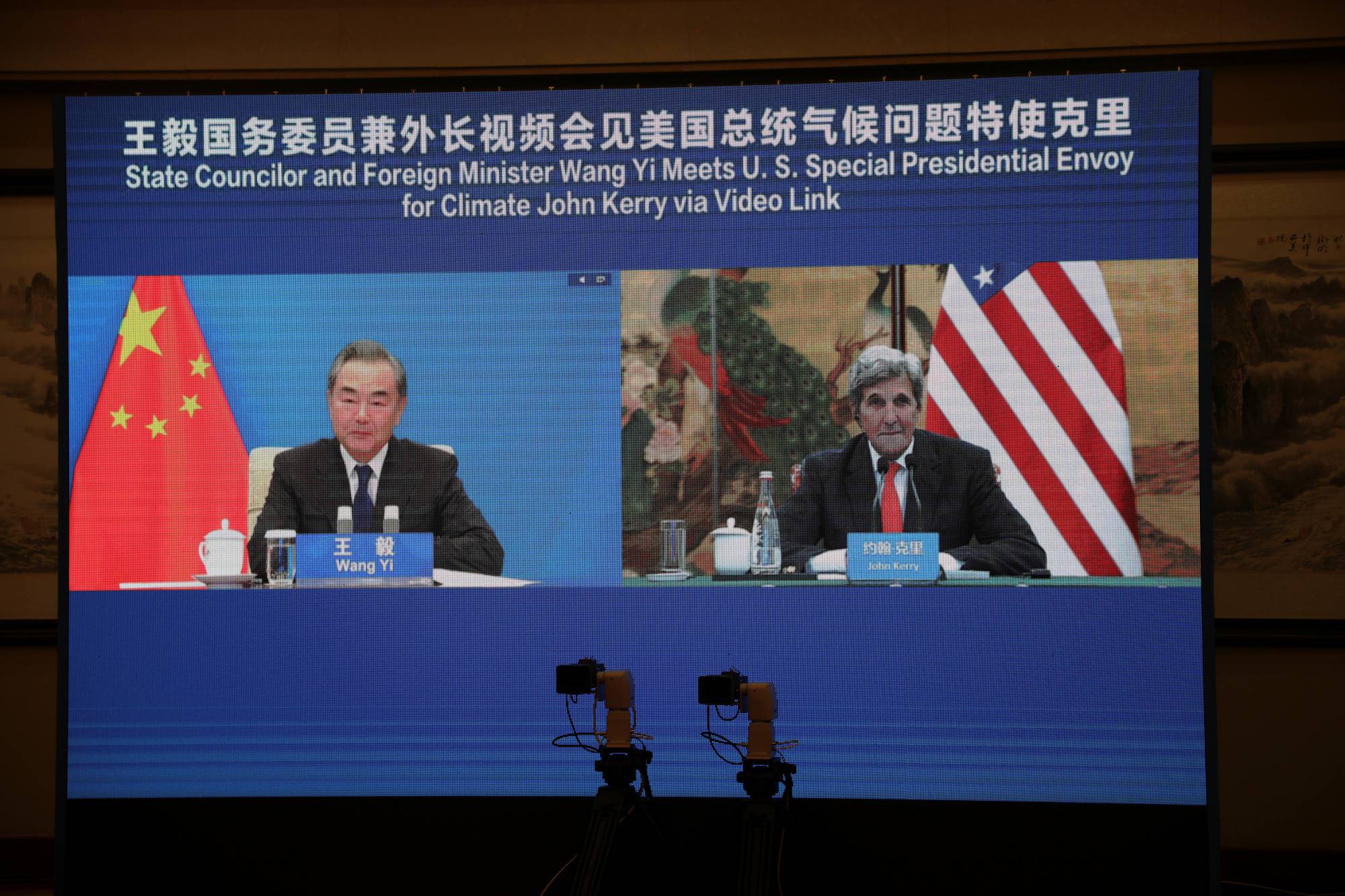
In the first U.S.-China meeting of the Biden era, in Alaska in March, China’s senior foreign affairs official, Yang Jiechi, launched a tirade against U.S. Secretary of State Antony Blinken after Blinken called out China’s human-rights record. Then, in April, Biden’s climate envoy, former Secretary of State John Kerry, became the first senior administration official to visit China, where he met with his counterpart, Xie Zhenhua. The two have talked more than a dozen times since, yet it is not clear that they have achieved anything.
It is becoming increasingly obvious that there is little chance of one side coaxing the other to improve its performance through traditional diplomatic channels. The U.S. strategy has three fundamental problems.
KEYWORDS
In a time of both misinformation and too much information, quality journalism is more crucial than ever.
By subscribing, you can help us get the story right.
With your current subscription plan you can comment on stories. However, before writing your first comment, please create a display name in the Profile section of your subscriber account page.