


PARIS – In a 1970s-era Soviet joke, the Politburo resurrects Stalin and asks him what it should do to combat economic stagnation and widespread disillusion with communist ideals. Stalin proposes a two-part program: “First, shoot all the communists, and second, paint the Kremlin green.” “Why green?” the shocked Politburo members ask. A smiling Stalin replies: “I was sure there would be no questions about the first part.”
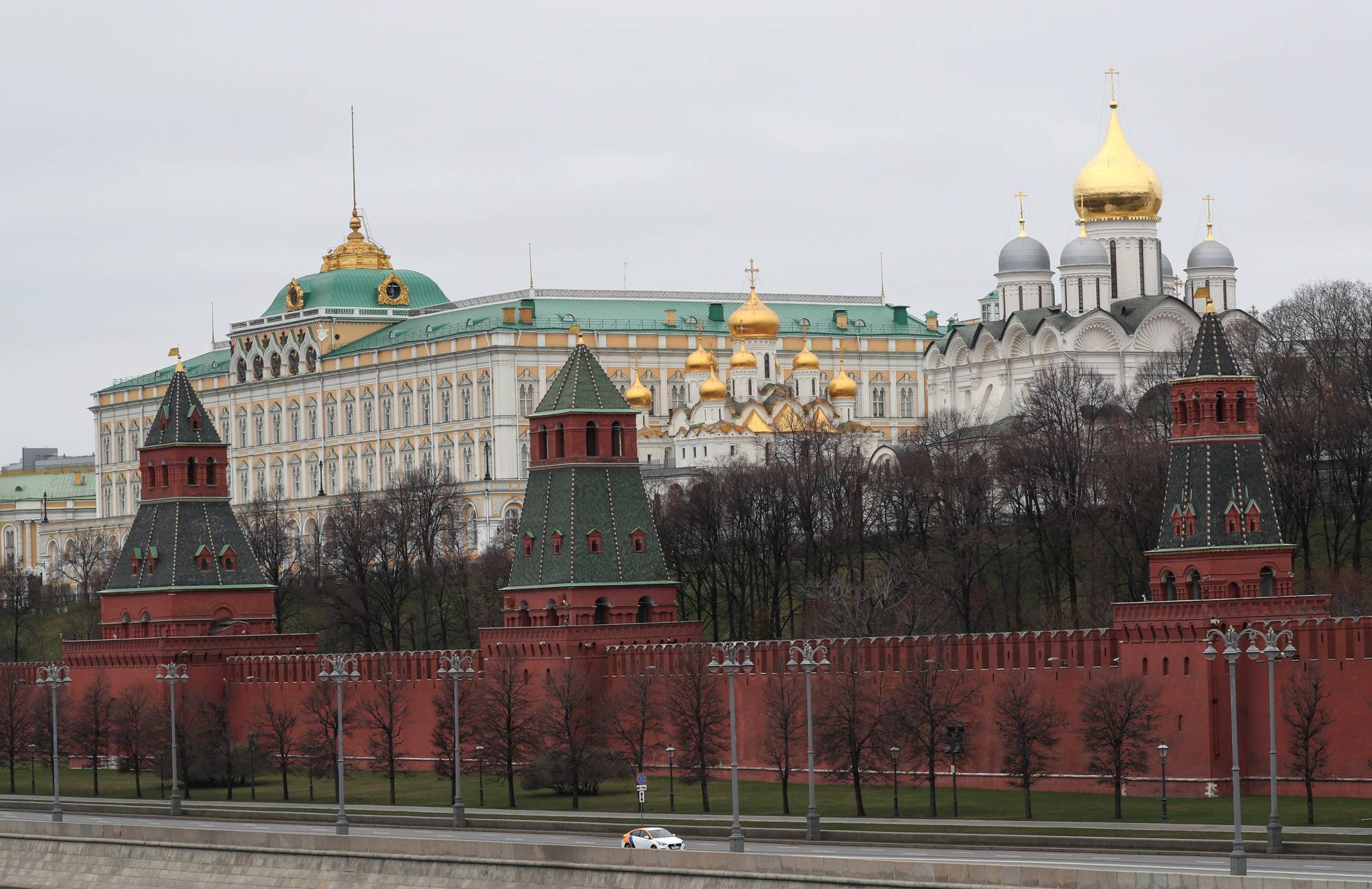
Given the growing state-sanctioned repression and use of torture in today’s Russia, this joke no longer seems quite so far-fetched or dated. In a March 2021 poll, 52% of respondents — by far the highest proportion in Russia’s post-Soviet history — said that they feared a return to tyranny. But what is even more striking is that the Russian government is now following Stalin’s second suggestion and turning the Kremlin green.
Of course, the 15th-century castle in downtown Moscow is still painted red. But its masters have suddenly started talking the language of decarbonization. On Oct. 13, President Vladimir Putin announced at the Russian Energy Week forum that Russia aims to become carbon neutral by 2060 — 10 years after the United States and the European Union but at the same time as China.
This is a huge change, because Russia has traditionally avoided setting ambitious climate goals. True, Russia promised under the 2015 Paris climate agreement to limit its greenhouse-gas (GHG) emissions to 70% -75% of their 1990 level by 2030. But given that its emissions in 2015 were only half of their 1990 level, this pledge actually allowed Russia to increase emissions.
In July 2019, Putin famously defended fossil fuels by claiming that wind energy caused environmental damage that harmed birds and worms. (This was, however, an improvement from a 2010 speech in which he said that wind power hurt not only birds and worms but moles as well.) As recently as December 2019, Putin said that “nobody really knows the causes of climate change.”
KEYWORDS
In a time of both misinformation and too much information, quality journalism is more crucial than ever.
By subscribing, you can help us get the story right.
With your current subscription plan you can comment on stories. However, before writing your first comment, please create a display name in the Profile section of your subscriber account page.