


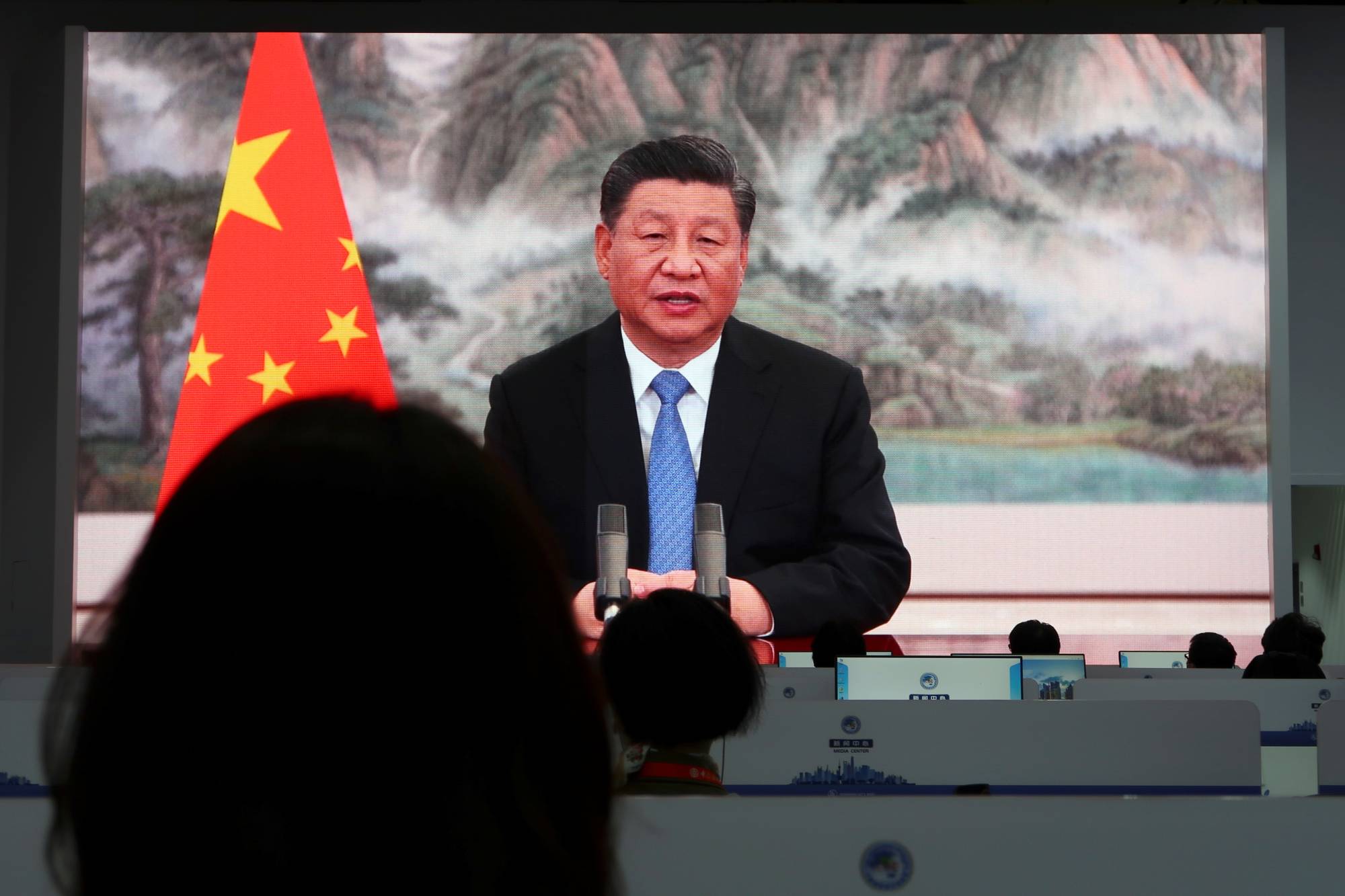
China says it wants to join the Comprehensive and Progressive Agreement for Trans-Pacific Partnership.
It’s a smart move, tactically and strategically, by Beijing, with potentially profound consequences for the pact and the region. Expert opinion is divided on whether to let China in. It should be allowed to join — but only if it is prepared to live up to the CPTPP standards. There can be no bending of the rules to accommodate Beijing.
It’s far more likely, however, that Beijing is neither serious nor sincere about its readiness to comply with CPTPP standards as they are written. The Chinese leadership is testing members’ commitment to the agreement’s purpose and ambition while assessing the limits of Beijing’s influence.
The CPTPP is the third incarnation of the Trans-Pacific Strategic Partnership Agreement, a four-country (Brunei, Chile, New Zealand and Singapore) trade deal that went into effect in 2005. It was adopted by the Bush administration (and seven other countries) as the cornerstone of a larger regional trade initiative, the Trans-Pacific Partnership. The TPP was a reaction to the failure of global trade talks at the World Trade Organization (WTO) and sought to set the “gold-standard” for economic integration, addressing current and anticipated issues, covering everything from environment protection and labor, to digital commerce to state-owned enterprises. The TPP would lock in the rules and values of the most advanced economies and oblige member economies to embrace greater liberalization, the rule of law, sustainable economic policies and respect for the dignity of the worker.
The Obama administration took those negotiations to the finish line and then, in an amazing blunder, dropped the ball and failed to get U.S. ratification of the deal. (The assumption seems to have been that since the deal was political poison — both candidates in the 2016 presidential election rejected it — a lame duck president and Congress would ratify the pact after Hillary Clinton won the vote.) But then-President Donald Trump withdrew the U.S. from the agreement shortly after taking office. Then, in one of the most important parts of his legacy, Prime Minister Shinzo Abe resurrected the deal as the CPTPP, or TPP-11.
KEYWORDS
In a time of both misinformation and too much information, quality journalism is more crucial than ever.
By subscribing, you can help us get the story right.
With your current subscription plan you can comment on stories. However, before writing your first comment, please create a display name in the Profile section of your subscriber account page.