


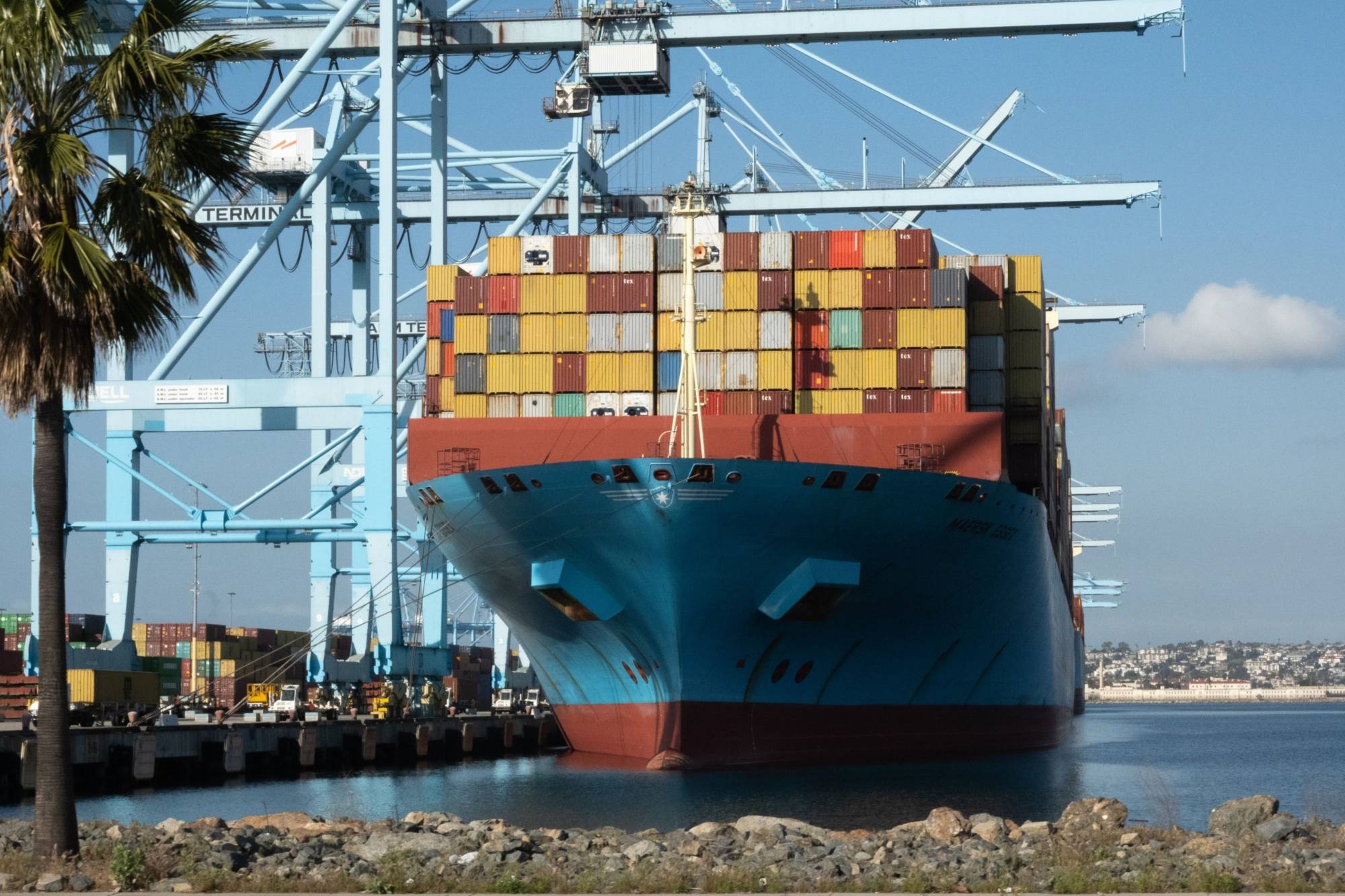
MILAN, Italy – Supply-chain disruptions are severely hampering the global economic recovery. It is a strange situation in many ways. The types of products and services affected by delays and shortages — including a wide range of intermediate goods, from commodities to semiconductors, and the final products that depend on them — resemble what one would see in a wartime economy. And the disruptions took us largely by surprise.
In fact, in the first quarter of this year, growth was overwhelmingly projected to accelerate and experts were not exactly sounding the alarm that supply would fail to keep up. Yes, influential macroeconomists did warn that the combination of highly accommodative monetary policy, elevated household-savings balances, pent-up demand and massive fiscal spending significantly increased the risk of inflation.
And, yes, those forecasts, which appear increasingly prescient, implied that a surge in aggregate demand, fueled by a wall of liquidity and frothy asset prices, could outpace supply. But the likely duration of the imbalance remained unknown, and many argued that inflation — and, by extension, supply disruptions — would be “transitory.”
Many observers remain convinced that this is the case. But participants in global supply chains increasingly predict that the shortages, backlogs and imbalances between supply and demand will persist well into 2022, and perhaps longer.
It seems clear that, for some significant period, global economic growth will be constrained by supply — a sharp contrast from the years after the 2008 global financial crisis. Although the surge in demand may be larger than midpandemic forecasts indicated, it was the basis for the high growth projections in the pandemic recovery period.
KEYWORDS
In a time of both misinformation and too much information, quality journalism is more crucial than ever.
By subscribing, you can help us get the story right.
With your current subscription plan you can comment on stories. However, before writing your first comment, please create a display name in the Profile section of your subscriber account page.