


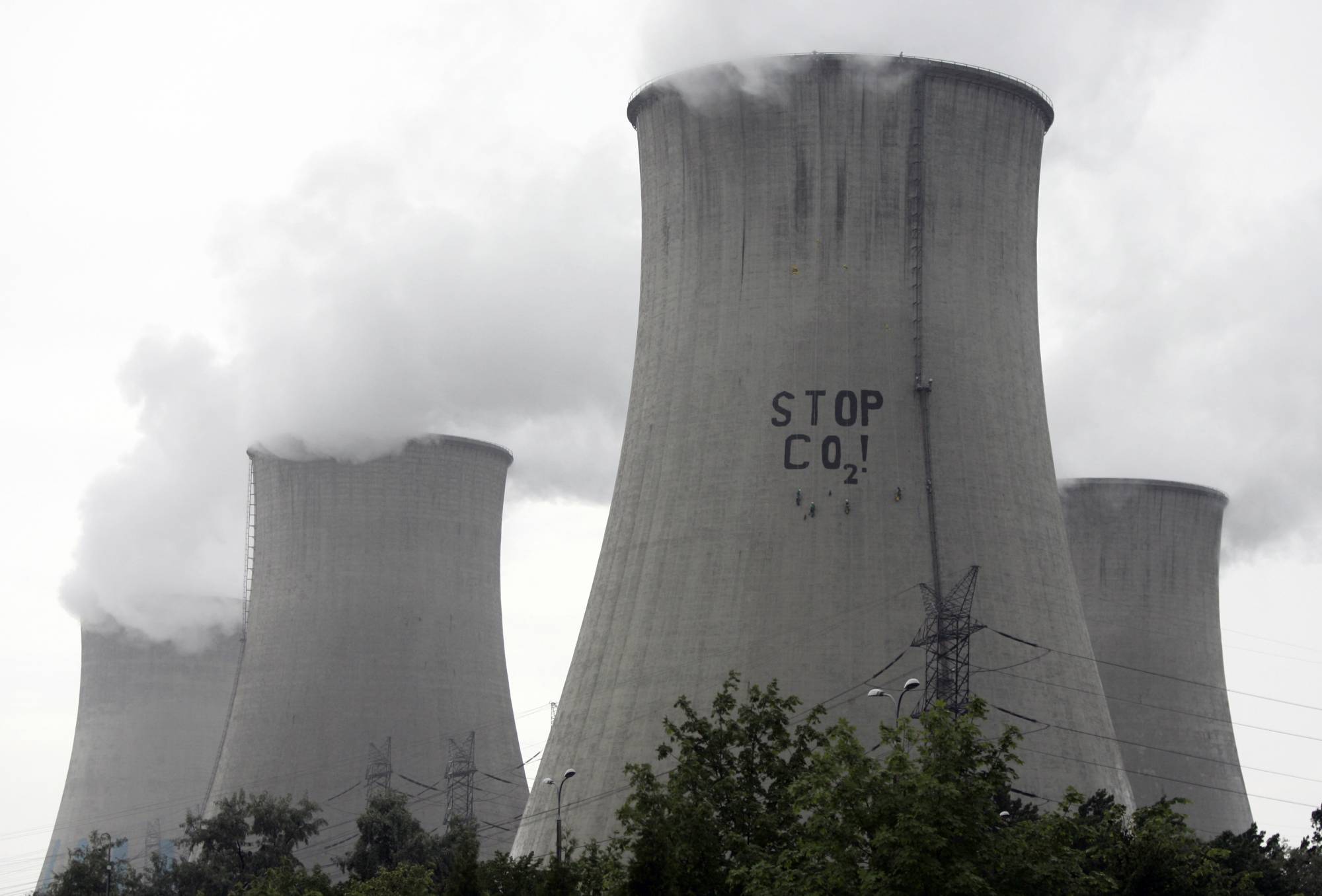
NEW YORK – The United Nations climate change conference in Glasgow (COP26) fell far short of what is needed for a safe planet, owing mainly to the same lack of trust that has burdened global climate negotiations for almost three decades.
Developing countries regard climate change as a crisis caused largely by the rich countries, which they also view as shirking their historical and ongoing responsibility for the crisis. Worried that they will be left paying the bills, many key developing countries, such as India, don’t much care to negotiate or strategize.
They have a point — indeed, several points. The shoddy behavior of the United States over three decades is not lost on them. Despite the worthy pleas for action by President Joe Biden and climate envoy John Kerry, Biden has been unable to push the U.S. Congress to adopt a clean-energy standard. Biden can complain all he wants about China, but after 29 years of congressional inaction since the Senate ratified the U.N. Framework Convention on Climate Change in 1992, the rest of the world sees the truth: America’s broken and corrupt Congress remains in the pocket of Big Oil and Big Coal.
Financing is at the heart of the geopolitical rupture on climate change. Developing countries are already reeling under countless pressures: the COVID-19 pandemic, weak domestic economies, increasingly frequent and severe climate-related disasters, the multiple disruptions of the digital age, U.S.-China tensions and high borrowing costs on international loans. They watch the rich countries borrow trillions of dollars on capital markets at near-zero interest rates, while they must pay 5% to 10%, if they can borrow at all. In short, they see their societies falling even further behind a few high-income countries.
Against this background of high economic anxiety, developing countries see the rich countries refusing to discuss forthrightly the financing crisis developing countries face when it comes to climate-change mitigation and adaptation or other urgent needs. They see rich countries spending an extra $20 trillion or so on their own economies in response to COVID-19, but then failing to honor their promise — dating from COP15 in 2009 — to mobilize a meager $100 billion per year for climate action in developing countries.
KEYWORDS
In a time of both misinformation and too much information, quality journalism is more crucial than ever.
By subscribing, you can help us get the story right.
With your current subscription plan you can comment on stories. However, before writing your first comment, please create a display name in the Profile section of your subscriber account page.