


ITHACA, New York – Until a few months ago, talk of inflation was little more than a murmur: dry data from the statistical office, reports tucked away in the newspaper and an occasional commentary.
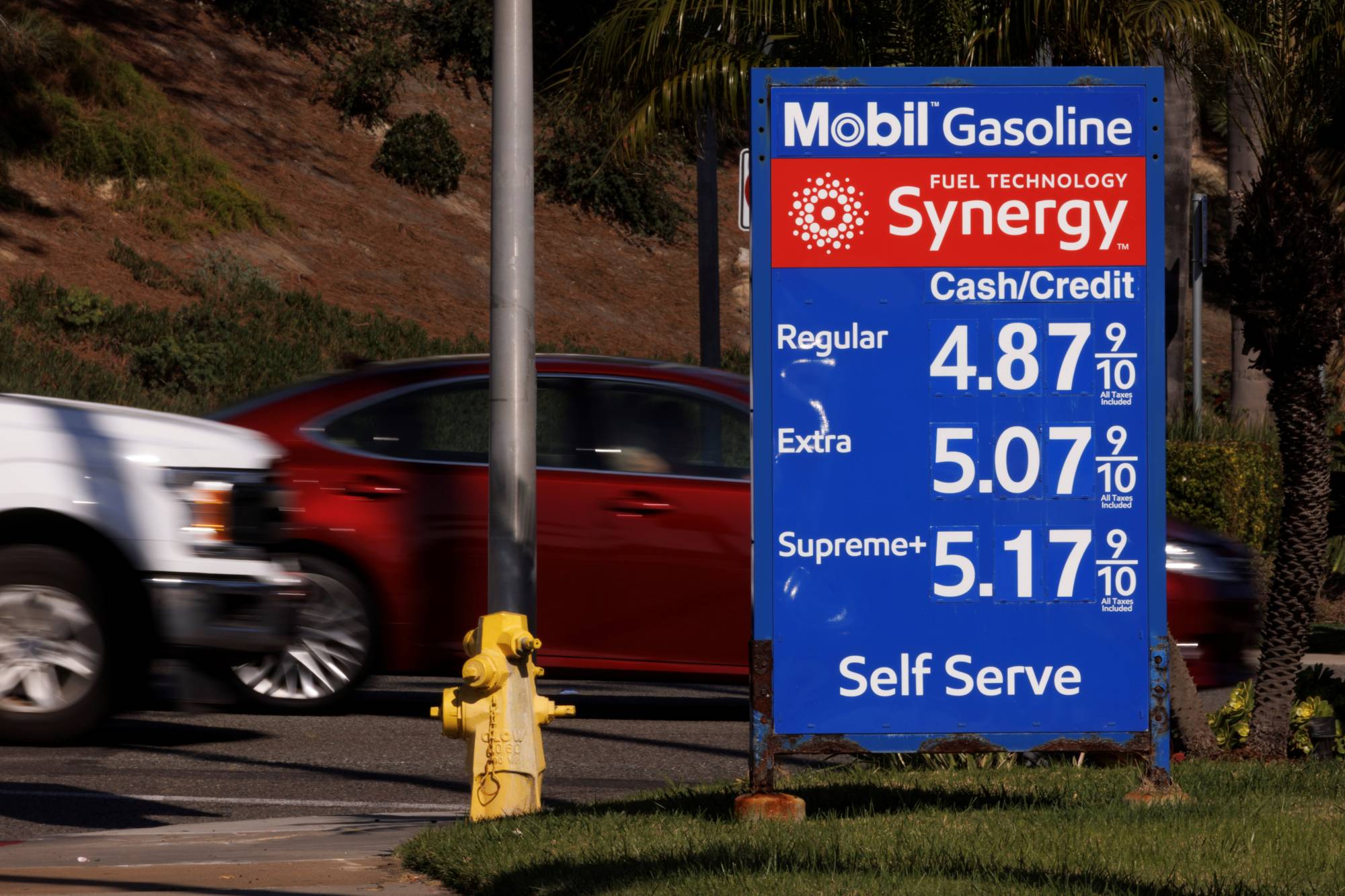
Now the discussion is urgent and anxious, as news of rising price levels comes in from economies around the world, including Argentina, Brazil, Turkey, India and, most important, the United States.
The surge in inflation in the U.S., the world’s largest economy, is causing the greatest concern because its spillover effects are invariably far-reaching. The trouble is that — in a debate bookended by Paul Krugman and Olivier Blanchard — no one fully understands what is happening. Krugman thinks the current inflationary pressure is a short-term episode triggered by supply-chain disruptions, while Blanchard sees it as the result of the large spending under President Joe Biden’s American Rescue Plan and as a prelude to a longer battle.
Unlike Krugman, I believe that rising U.S. inflation, currently at a 30-year high of 6.2%, is caused by this big spending package. But I also believe, contrary to Blanchard, that Biden’s policy intervention was right, and that higher inflation is a price worth paying for the benefits the rescue plan has brought, particularly to the most vulnerable Americans.
This relief is reflected in the latest U.S. data. During three months preceding September, the U.S. saw higher wage increases than any time in the last 20 years. Workers have gained a stronger bargaining position and have even stayed away from the labor market when their wage demands have been unmet.
KEYWORDS
In a time of both misinformation and too much information, quality journalism is more crucial than ever.
By subscribing, you can help us get the story right.
With your current subscription plan you can comment on stories. However, before writing your first comment, please create a display name in the Profile section of your subscriber account page.