


Omicron has made it clear that the COVID-19 pandemic will be with us for the foreseeable future.
Among the many norms upended around the world, face-to-face diplomacy has also been a victim of the pandemic, which will have lasting consequences if in-person, leader-level diplomacy does not resume soon.
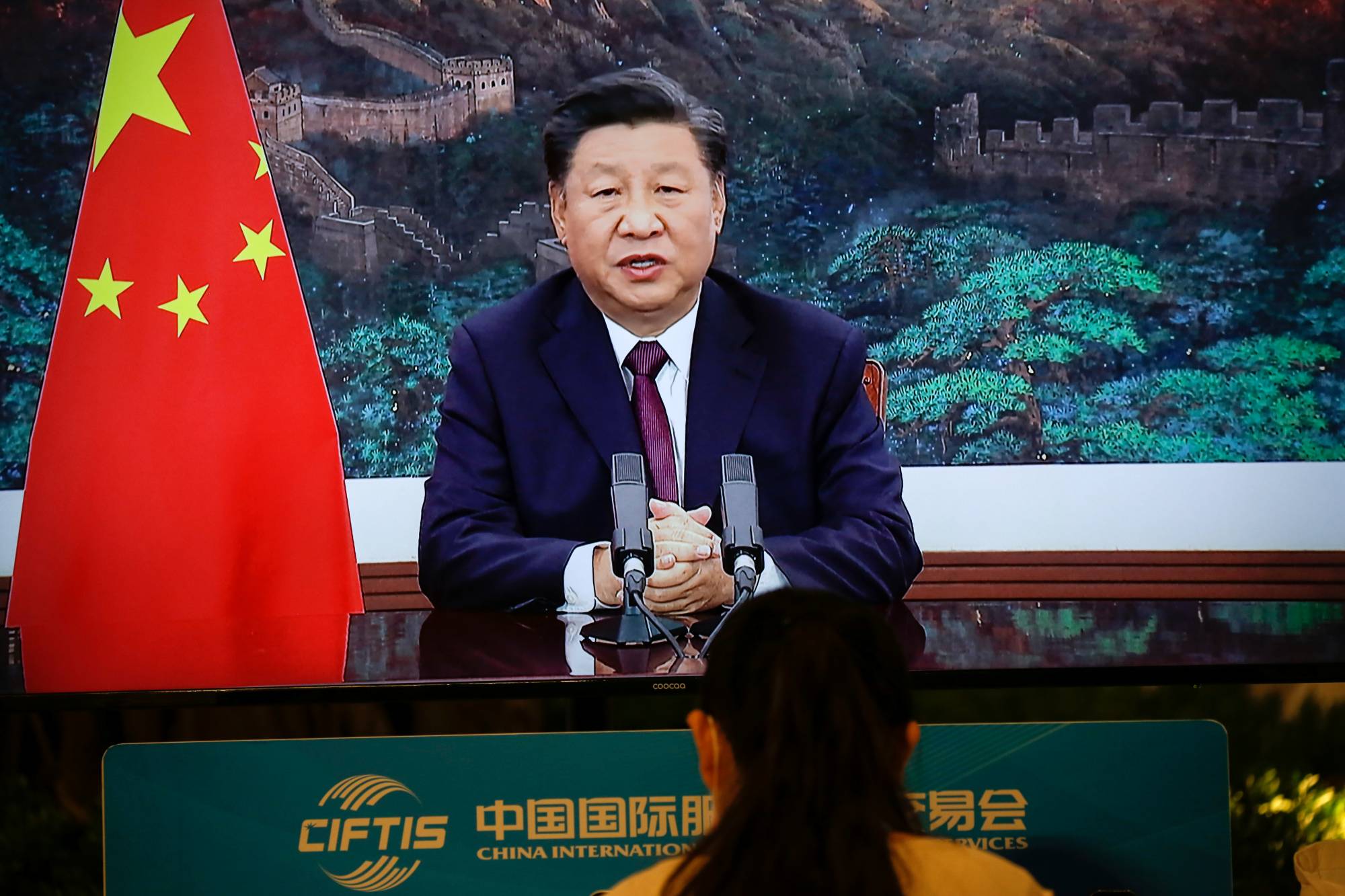
It’s been more than 18 months since President Xi Jinping has stepped outside mainland China. Zoom diplomacy has become the mainstay for the lifetime leader, presenting Japan and its allies and partners an opportunity to capture the foreign policy momentum adeptly cultivated by former Prime Minister Shinzo Abe during his nearly eight years in office.
During his tenure, Abe visited every ASEAN state more than once. As former U.S. Deputy Secretary of State Richard Armitage argues, the former prime minister was singularly responsible for developing a grand strategy that made Japan relevant if not essential to its longstanding alliance partner the United States and to maintaining the regional order during the Donald Trump presidency.
This assessment was echoed in November at a think tank forum in Sydney, where former Australian Prime Minister John Howard introduced the keynote speaker Abe. Howard stressed the importance of Japan in Australian and regional security but also the Free and Open Indo-Pacific (FOIP) vision laid out by Abe in his speech in the Indian Parliament in 2005 outlining the concept of a “Confluence of Two Seas.” His speech highlighted the geopolitical linkage of the Pacific and Indian oceans.
KEYWORDS
In a time of both misinformation and too much information, quality journalism is more crucial than ever.
By subscribing, you can help us get the story right.
With your current subscription plan you can comment on stories. However, before writing your first comment, please create a display name in the Profile section of your subscriber account page.