


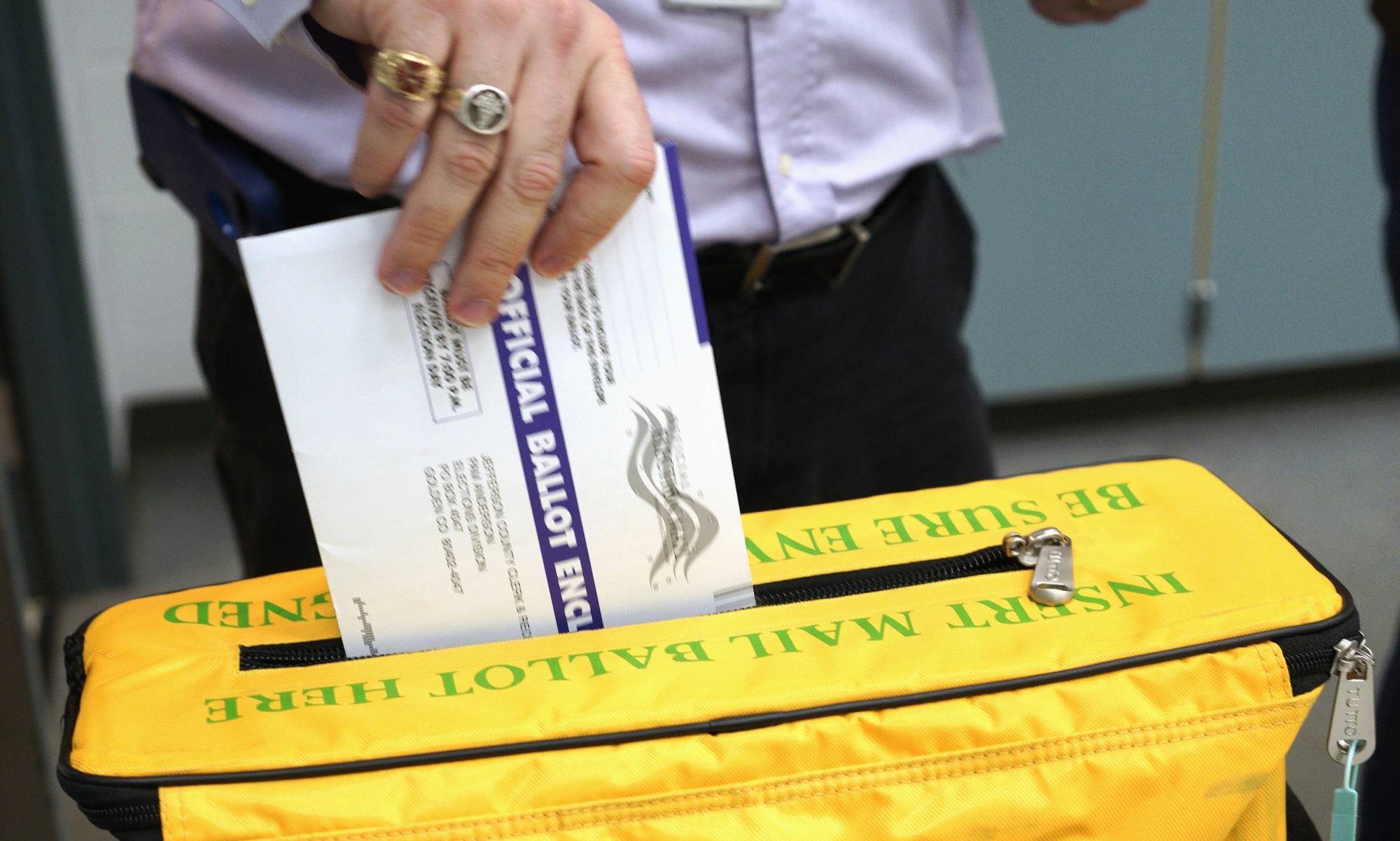
I’ve never been a fan of litigating election results in court, and the lawsuit filed last month by the loser of the Democratic primary for a Florida seat in the U.S. House of Representatives seems as frivolous as they come.
Yet one of its several charges deserves more thought. Not because it’s true — it’s ridiculous on its face — but because it speaks to the nature of democracy.
The allegation from the loser, Dale Holness, is that the winner, Sheila Cherfilus-McCormick, essentially purchased votes by promising legislation that would pay those of moderate income $1,000 per month. His lawsuit calls it “a gimmick designed only to motivate people to vote for her.”
Well, sure. But the gimmick is perfectly legal. The Supreme Court has long held that the First Amendment protects a candidate’s promise that her victory will mean more money in voters’ pockets. What Cherfilus-McCormick has done is what office-seekers do all the time. A public promise of cash payments to a large number of voters isn’t illegal; a private promise of money just to me would be. As the legal scholar Pamela Karlan memorably put it, candidates are allowed to buy votes wholesale but not retail.
Which leads to the question about democracy: Why not allow private transactions for votes? If a passionate partisan pays fellow citizen the going rate (evidently around $10 or $20) to cast his ballot a certain way, what exactly has the partisan done wrong?
KEYWORDS
In a time of both misinformation and too much information, quality journalism is more crucial than ever.
By subscribing, you can help us get the story right.
With your current subscription plan you can comment on stories. However, before writing your first comment, please create a display name in the Profile section of your subscriber account page.