


Central bankers have had a change of heart.
Until this month, they had argued that inflation was transitory, the expression of unique historical circumstances, and therefore need not drive their decision making. In recent weeks, however, major central banks have reassessed inflation risks and signaled that they are now more worried about its persistence.
This shift makes sense and caution is warranted. But economic policymakers, both central bankers and government decision makers, must remain flexible, attuned to the facts and ready to adjust expectations and responses to rapidly changing conditions.
Prices began to rise throughout the world as the COVID-19 pandemic eased and consumers started celebrating by shopping and spending. The speed of the recovery created bottlenecks, pushing up prices throughout supply chains. The availability of support funds prompted a reevaluation of priorities among workers, creating some shortages in the labor force as well. The mere expectation that prices would increase contributed to inflationary pressures as businesses ratcheted up their prices, to maintain margins or, in some cases, increase profits.
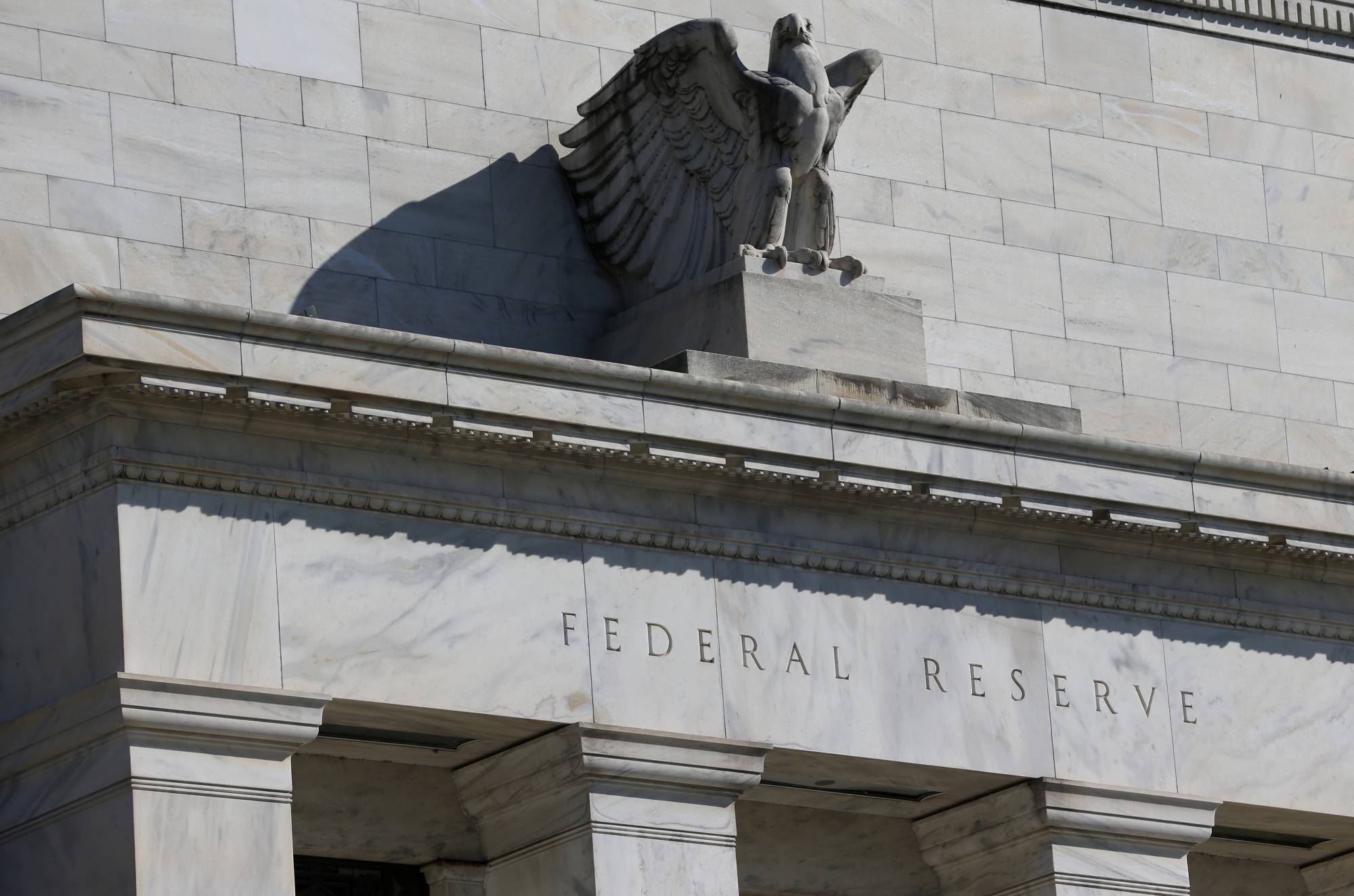
These pressures have influenced the thinking of central bankers. While they once insisted that inflation was “transitory” and the result of a return to normalcy after an intense economic contraction, they are modifying their views. U.S. Federal Reserve Chairman Jerome Powell expressed the new zeitgeist when he warned that “there’s a real risk now … that inflation may be more persistent.”
With your current subscription plan you can comment on stories. However, before writing your first comment, please create a display name in the Profile section of your subscriber account page.