


WASHINGTON – During his annual news conference on Dec. 23, Russian President Vladimir Putin railed against NATO enlargement. “How would the U.S. react if we delivered rockets near their borders with Canada or Mexico?” he pointedly asked.
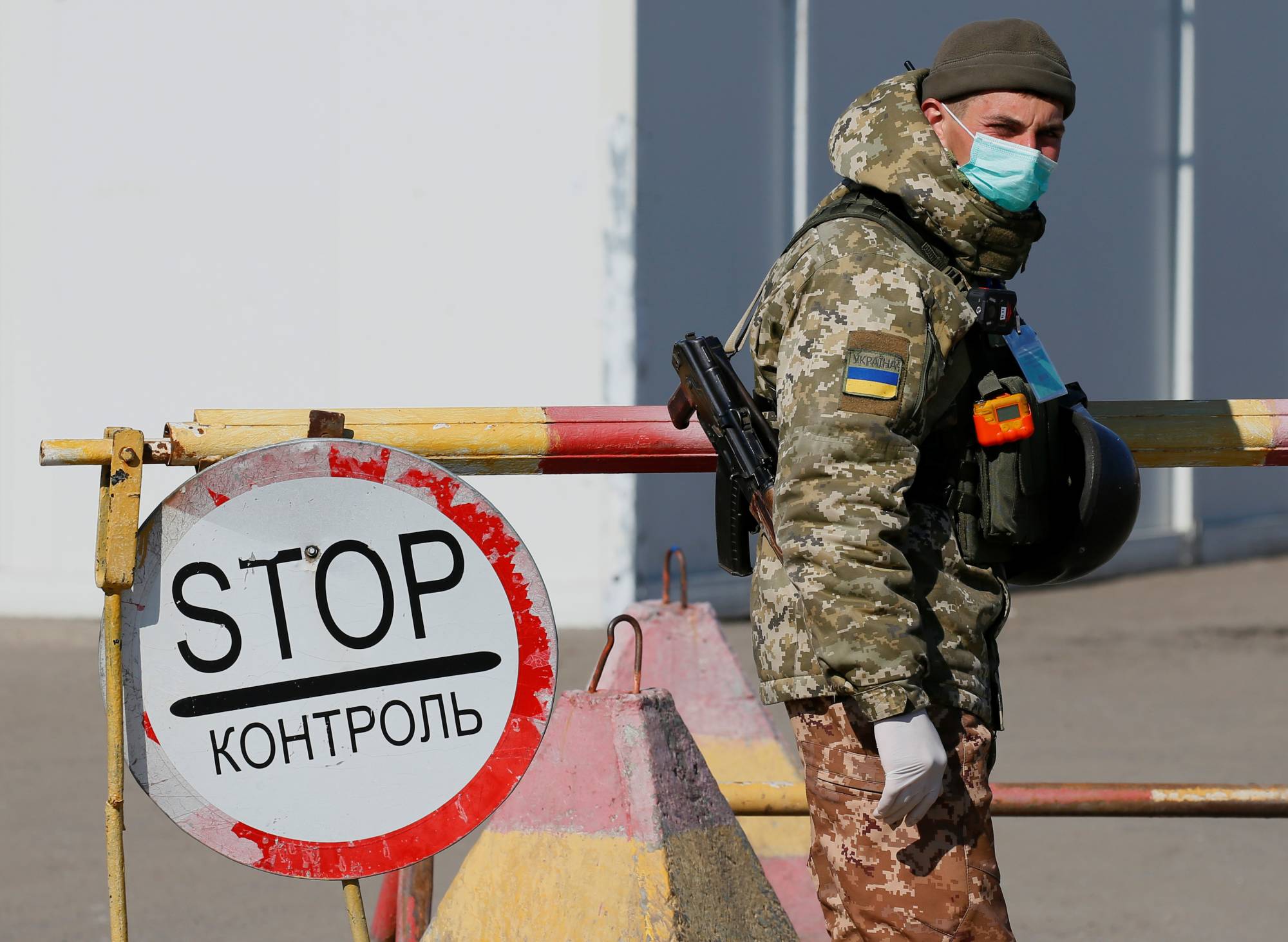
Putin’s increasingly combative rhetoric, coupled with Russia’s recent huge troop buildup on its border with Ukraine (which it has since drawn down) caused concern that the Kremlin was readying an invasion to pull the country back into Russia’s sphere of influence and prevent its accession to NATO.
But war was and is hardly foreordained, given the costs that Russia could face if it invaded its neighbor. Although Ukraine’s military forces are still no match for Russia’s, they would be far better at defending the country than they were in 2014, when Russia grabbed Crimea and intervened in the eastern Donbas region to support pro-Russian separatists. Russian aggression has alienated most Ukrainians, making widespread popular resistance likely if Russia tries to seize a major chunk of the country. Putin can expect not only heavy Russian casualties, but also the severe economic sanctions that the United States and its European allies are currently weighing.
With Russia facing such clear downsides if it opts for war, diplomacy has a reasonable chance of averting conflict. Indeed, Moscow recently released a detailed agenda for broad negotiations over European security. Even though many of Russia’s proposals are nonstarters, the U.S. and its European partners appear ready to engage, with the U.S. hinting that talks with the Kremlin could begin early next year. In preparation, the Western allies should identify a combination of carrots and sticks that will increase the appeal of a diplomatic route to de-escalation while raising the prospective costs if Putin chooses war.
As for the carrots, NATO should reassure the Kremlin that it is not about to integrate Ukraine or turn the country into a forward outpost of the West’s best weaponry. Although Russia’s aggression against and coercion of its neighbor is unacceptable, its concern about a militarized Ukraine entering NATO is understandable. Major powers don’t like it when other major powers show up on their doorstep.
KEYWORDS
In a time of both misinformation and too much information, quality journalism is more crucial than ever.
By subscribing, you can help us get the story right.
With your current subscription plan you can comment on stories. However, before writing your first comment, please create a display name in the Profile section of your subscriber account page.