


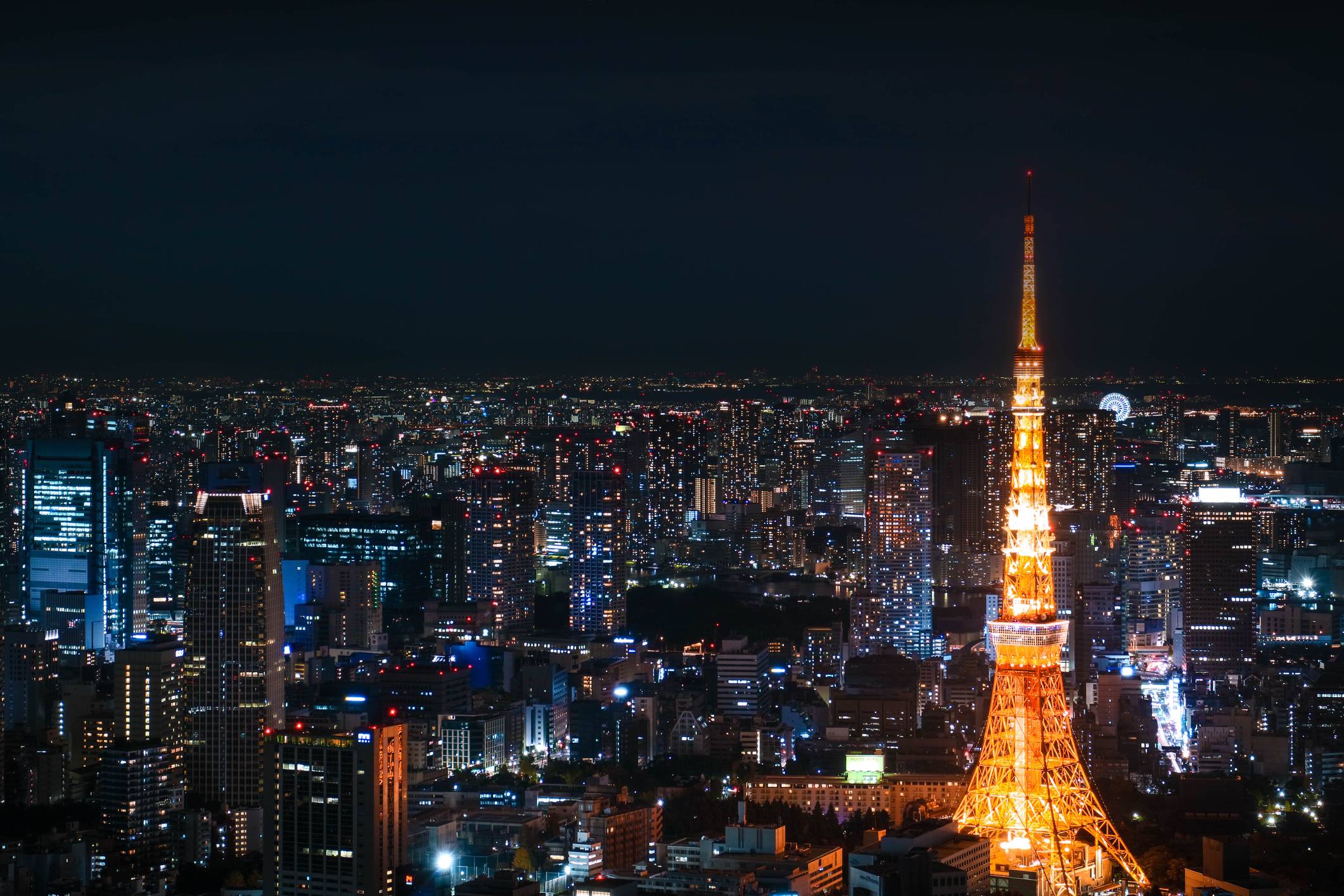
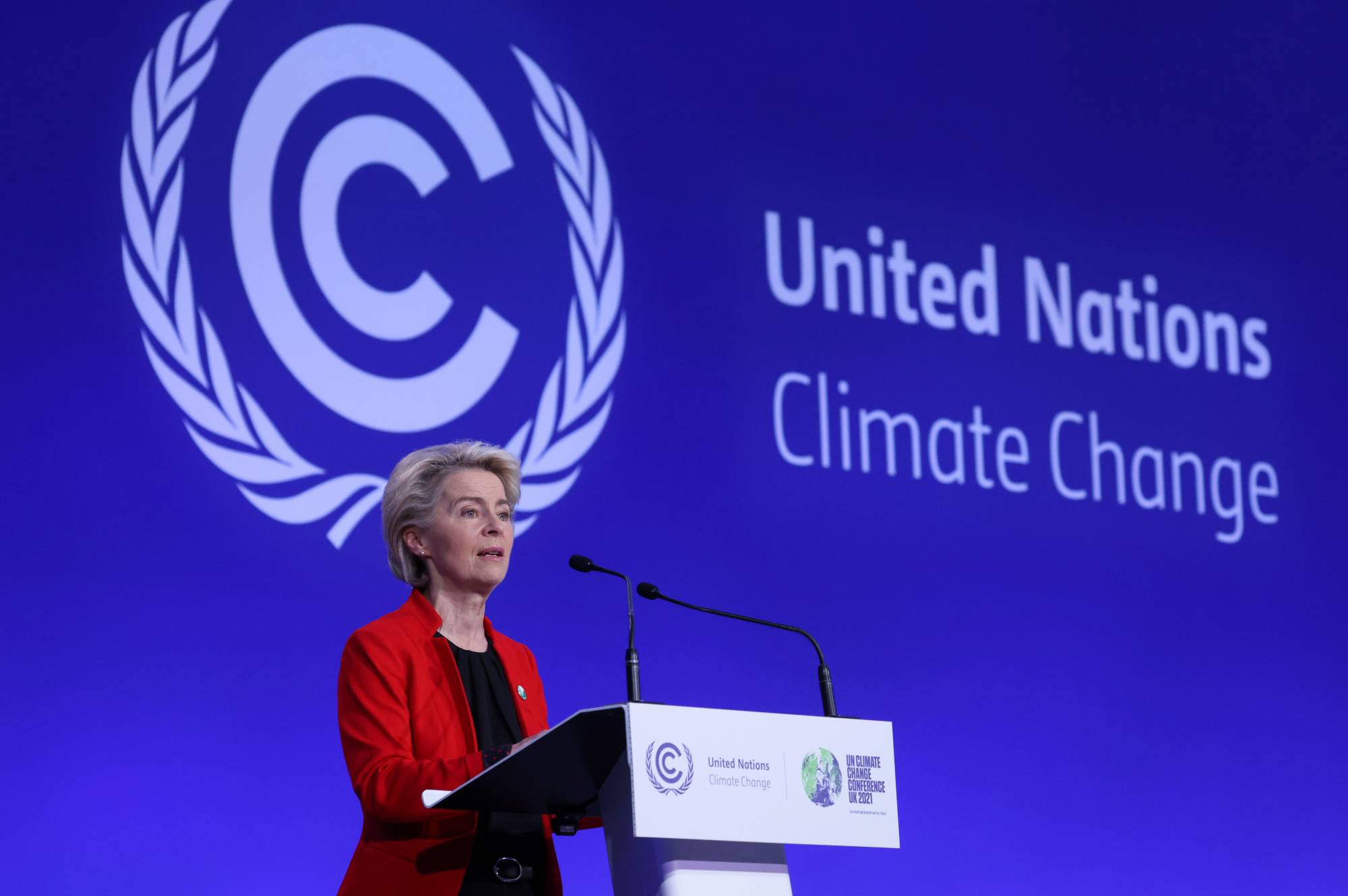
The COP26 climate talks in Glasgow, Scotland, held through mid-November, provided a stage for fierce fights between the United Kingdom and other European nations and emerging economies and coal-reliant nations over the phaseout of coal power by 2040.
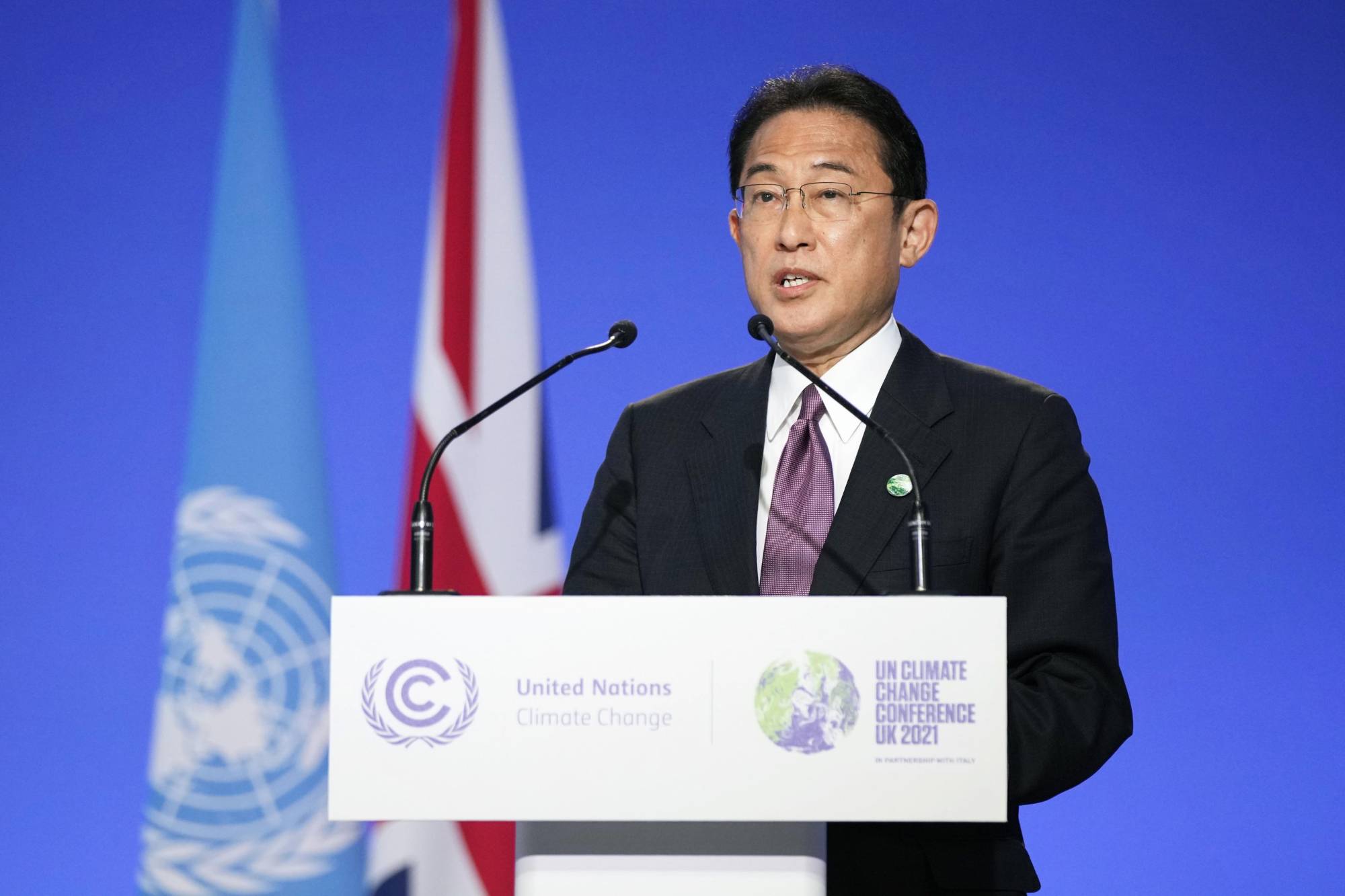
Although Japan was also under strong pressure to make a commitment to end the use of coal, Prime Minister Fumio Kishida did not mention abolishing coal-fired power plants, reflecting Japan’s vulnerability in terms of energy supply.
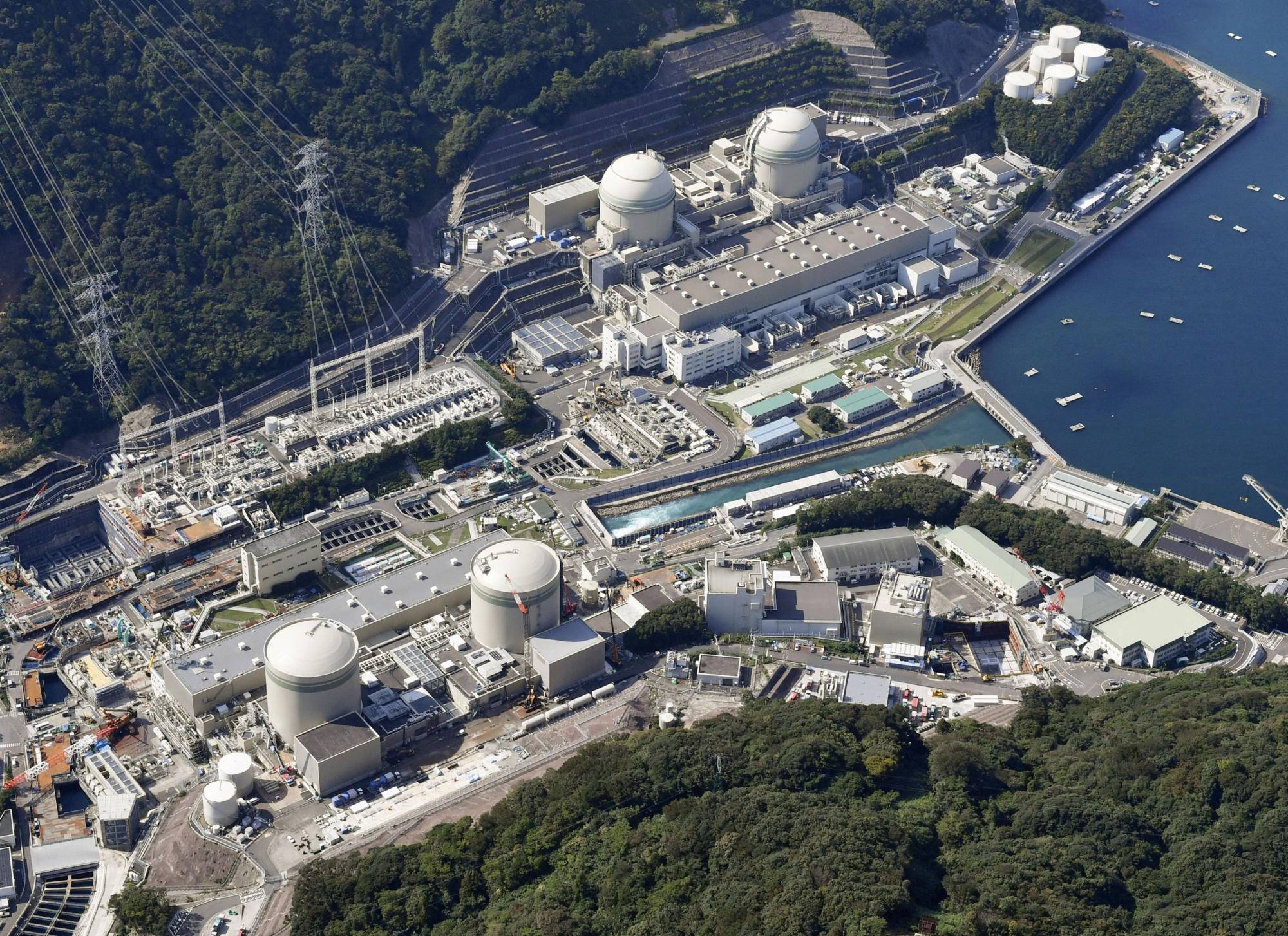
The International Energy Agency (IEA) defines energy security as “the uninterrupted availability of energy sources at an affordable price,” but achieving energy security is an extremely difficult challenge for Japan, which relies almost entirely on imported energy sources.
Energy supports the basis of economic activities and securing stable energy supply is the key to national security — protection of people’s lives and property.
In spite of that, Japan is yet to develop a comprehensive strategy on energy, and the concept of energy security has not been widely recognized.
In a time of both misinformation and too much information, quality journalism is more crucial than ever.
By subscribing, you can help us get the story right.
With your current subscription plan you can comment on stories. However, before writing your first comment, please create a display name in the Profile section of your subscriber account page.