


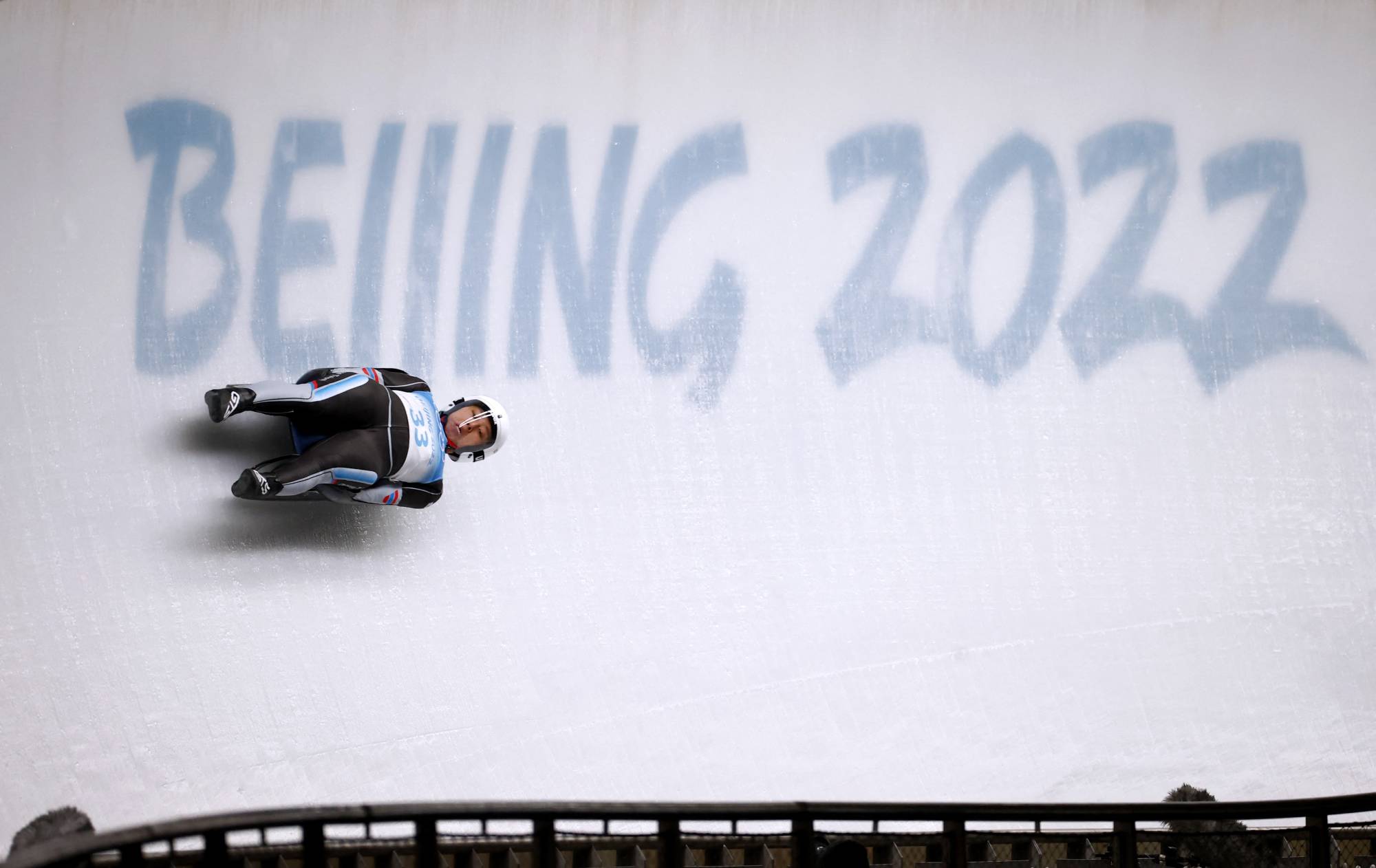
Global sports fans are enjoying their second pandemic Olympics in little more than six months. In the excitement of watching individual and team competitions among the world’s best athletes, one can almost forget that one or both Olympics might easily have been canceled. We urgently need to consider how to future proof the Games.
With the Summer Olympics, Japanese public opposition, driven by the pandemic and mounting expenses, almost forced the Japanese government to cancel. It is hard to imagine most other democratic governments, including future Summer Games hosts Paris (2024), Los Angeles (2028) and Brisbane (2032), being able to persevere in the face of such public opposition. For the Winter Olympics, China’s human rights record prompted strong calls in some countries to boycott. In the end, many found ways to allow their athletes to participate, but the controversy has not made it easy for athletes or sponsors.
The most obvious future-proofing strategy is to spread the Games in any one year to multiple venues, much as a company enhances resilience by diversifying markets or supply chains. This would also increase inclusiveness and stakeholders. To augment local audiences and enthusiasm, hosting might be associated with regional sports prowess. Why not experiment, for example, with track and field events in Africa, swimming in Oceania, team events like baseball and soccer in Latin America, and weightlifting, judo, and wrestling in Asia?
For world viewers on television or the internet, it makes no difference. Nor would it affect the spirit of the athletes who are still competing with the very best in their sport and for whom an Olympic gold would continue to be the pinnacle of success.
The modern Games are an adaptation of the ancient Greek ones that were held for a remarkable thousand years in Olympia, a religious center. Intra-Greek wars and travel barriers were suspended to allow athletes and fans to travel to and from Olympia and its renowned 40,000-person stadium. Although the Games were not always immune from politics — Roman Emperor Nero insisted on competing one year and suspiciously won six competitions — they had wide acceptance until ordered closed in 394 A.D. by a Christian Roman emperor who thought they glorified the wrong gods.
KEYWORDS
In a time of both misinformation and too much information, quality journalism is more crucial than ever.
By subscribing, you can help us get the story right.
With your current subscription plan you can comment on stories. However, before writing your first comment, please create a display name in the Profile section of your subscriber account page.