


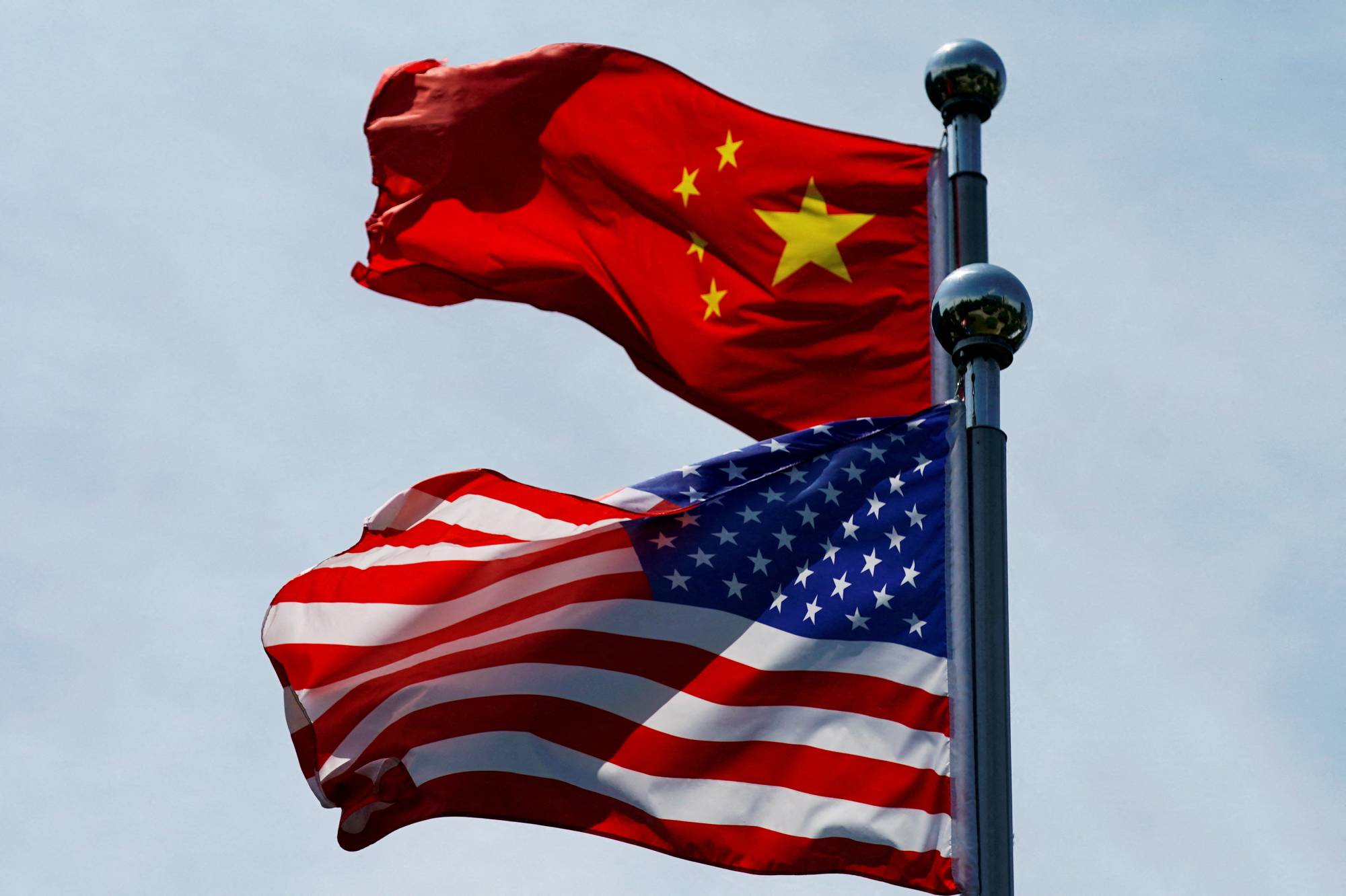
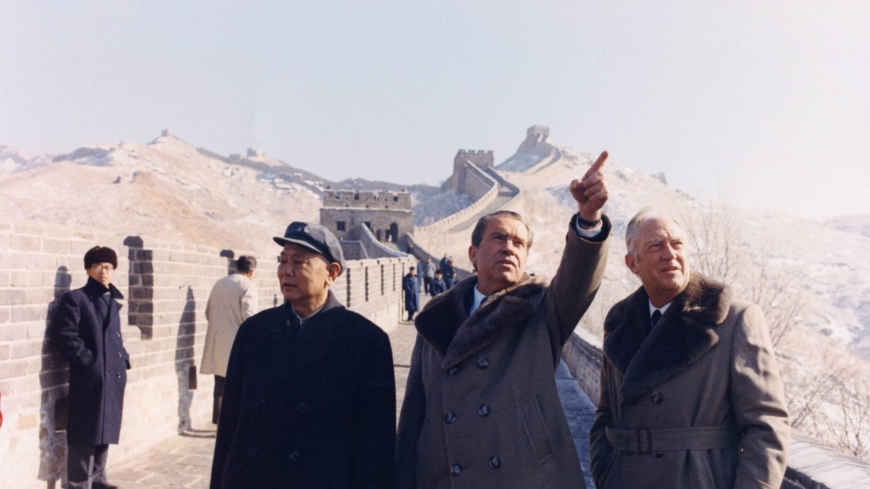
After the United States and China signed the Shanghai Communique 50 years ago, in February 1972, the U.S. pursued a policy of engagement with Beijing, hoping that China would become both a part of the existing international order and a democratic state in step with its economic growth.
Such a stance, addressed by Henry Kissinger, the U.S. president’s national security adviser at the time, has largely changed course today.
This year also marks 50 years since Japan and China normalized diplomatic ties in September 1972 after Washington and Beijing began moving closer to one another in the early 1970s.
But will the recent changes in the U.S.-China relations lead to the creation of a new China-Japan relationship?
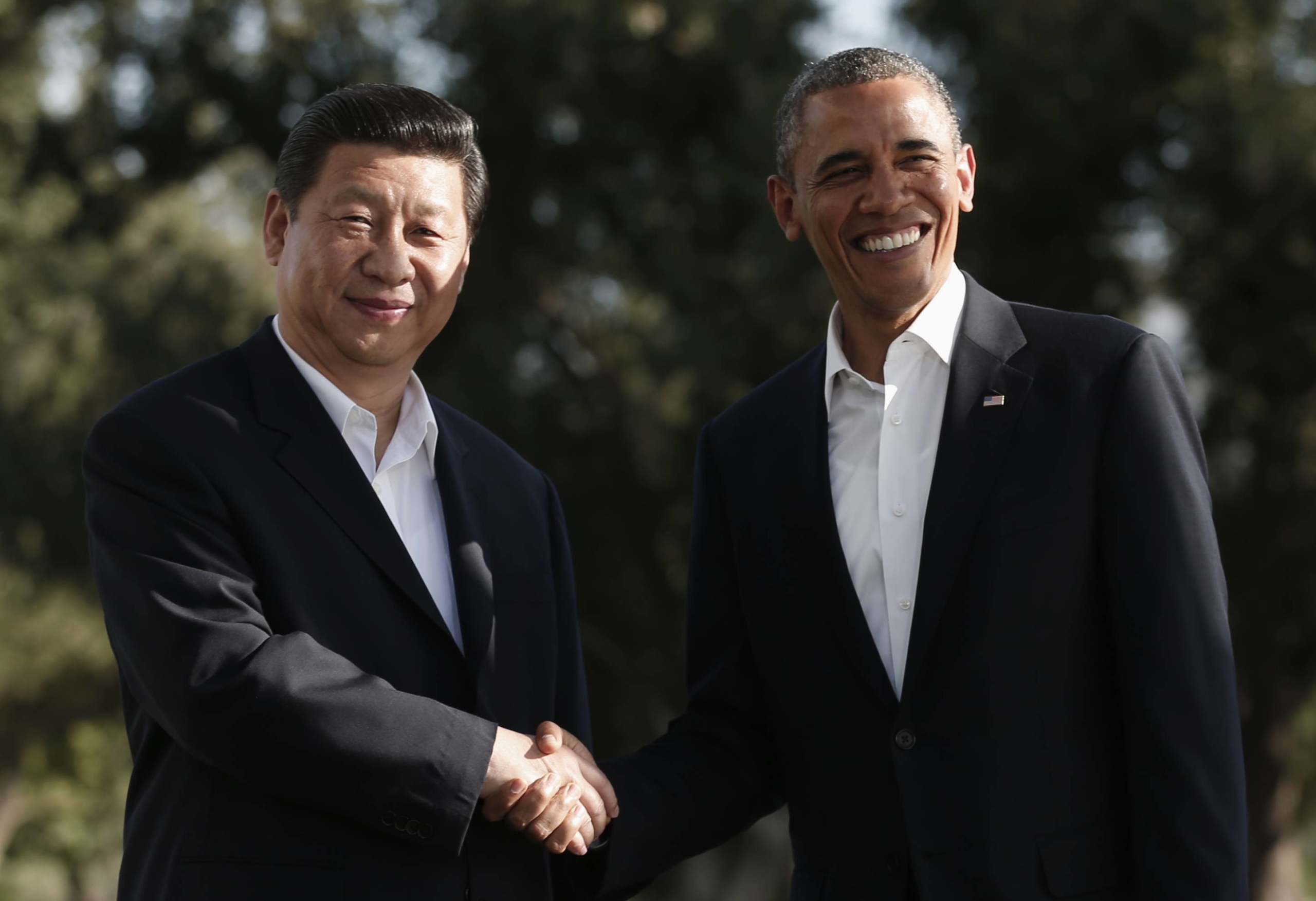
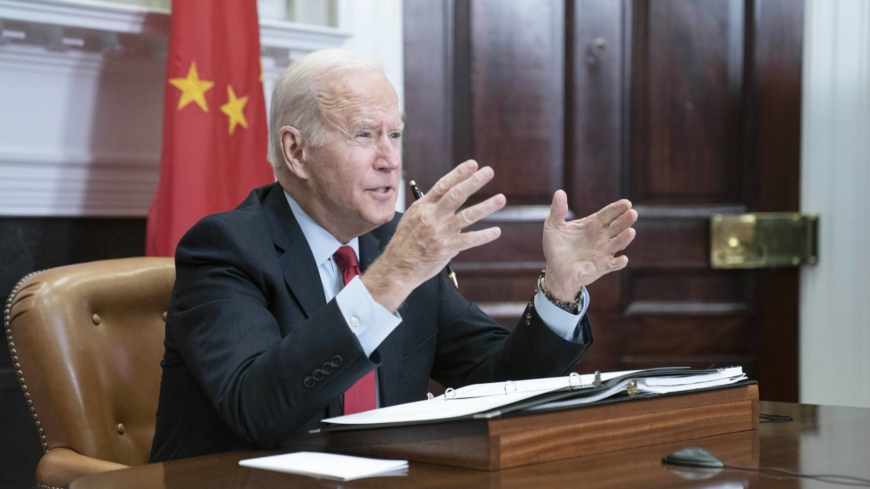
Chinese President Xi Jinping’s administration, formed in 2012, began to call on the U.S. to form a “New Type of Great Power Relations,” through which the two countries could cooperate on global issues while respecting each other’s core interests.
KEYWORDS
In a time of both misinformation and too much information, quality journalism is more crucial than ever.
By subscribing, you can help us get the story right.
With your current subscription plan you can comment on stories. However, before writing your first comment, please create a display name in the Profile section of your subscriber account page.