


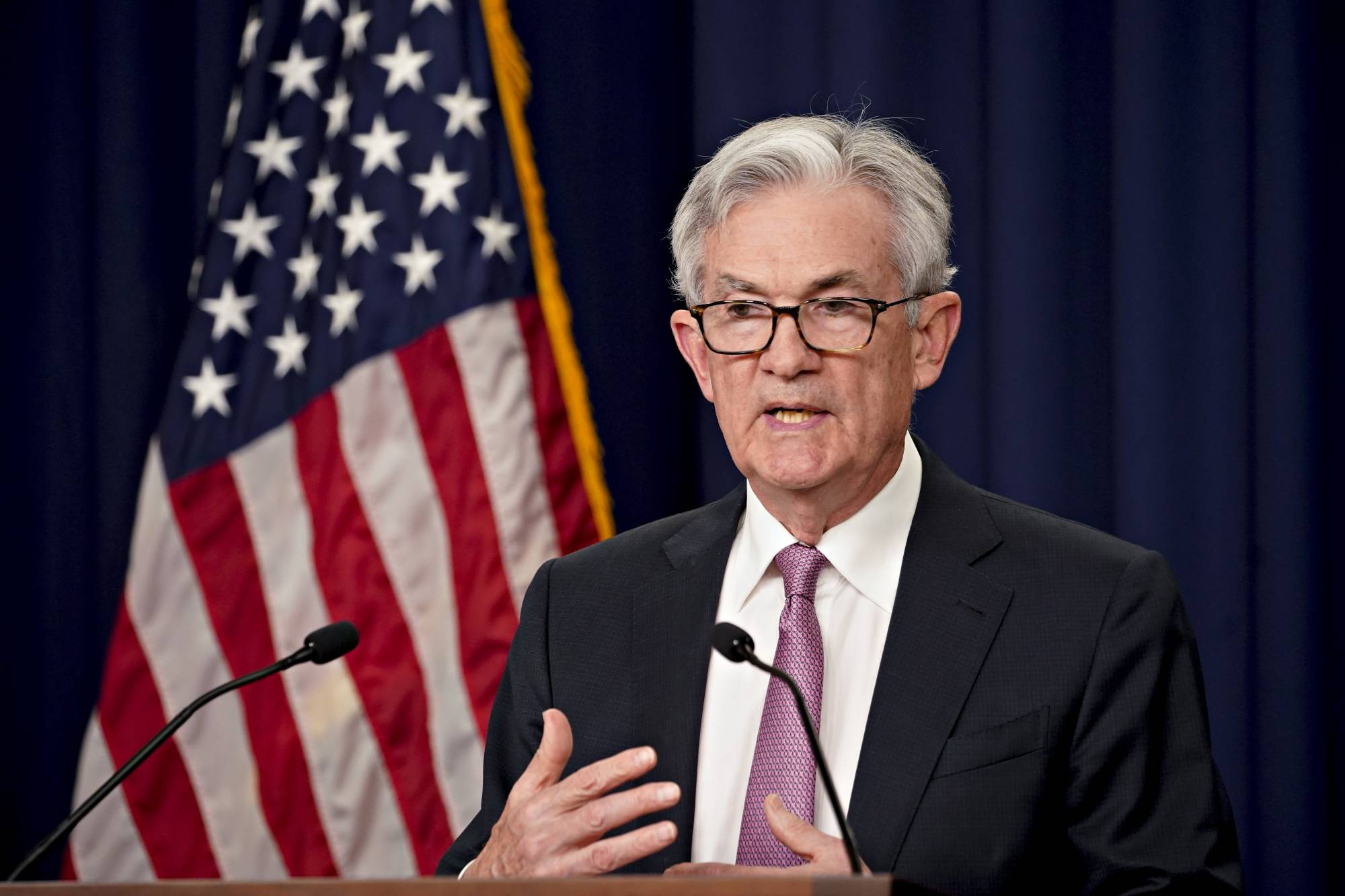
Concerned that inflation is much too high, the U.S. Federal Reserve increased interest rates by half a percentage point this week.
It was a bold move, but one that had been signaled well in advance and was bounded by Fed Chairman Jerome Powell’s comments that even larger increases were not being considered. Nevertheless, markets plunged sharply around the world.
That fall is a vote of no confidence in the Fed’s ability to safely navigate between competing imperatives: controlling inflation and keeping the economy growing. History suggests that skepticism is in order given the enormity of the challenge and the narrow margin of error.
The Fed decision to raise interest rates 50 basis points, or a half a percentage point, marked the largest interest rate increase since 2020. The move is a response to galloping inflation in the United States, which has reached a 40-year high. First thought to be temporary as a result of particular circumstances — the resumption of economic activity after the COVID-19 pandemic and working out kinks in supply chains — price increases have stubbornly refused to moderate. Blame the war in Ukraine and the shutdowns in Shanghai that sustained the upward pressure.
To its credit, the Fed has made clear its intent. In March, it raised interest rates for the first time since the spring of 2020 and said that it expected to do that six more times this year in an attempt to manage expectations and gradually squeeze inflation out of the economy.
KEYWORDS
In a time of both misinformation and too much information, quality journalism is more crucial than ever.
By subscribing, you can help us get the story right.
With your current subscription plan you can comment on stories. However, before writing your first comment, please create a display name in the Profile section of your subscriber account page.