


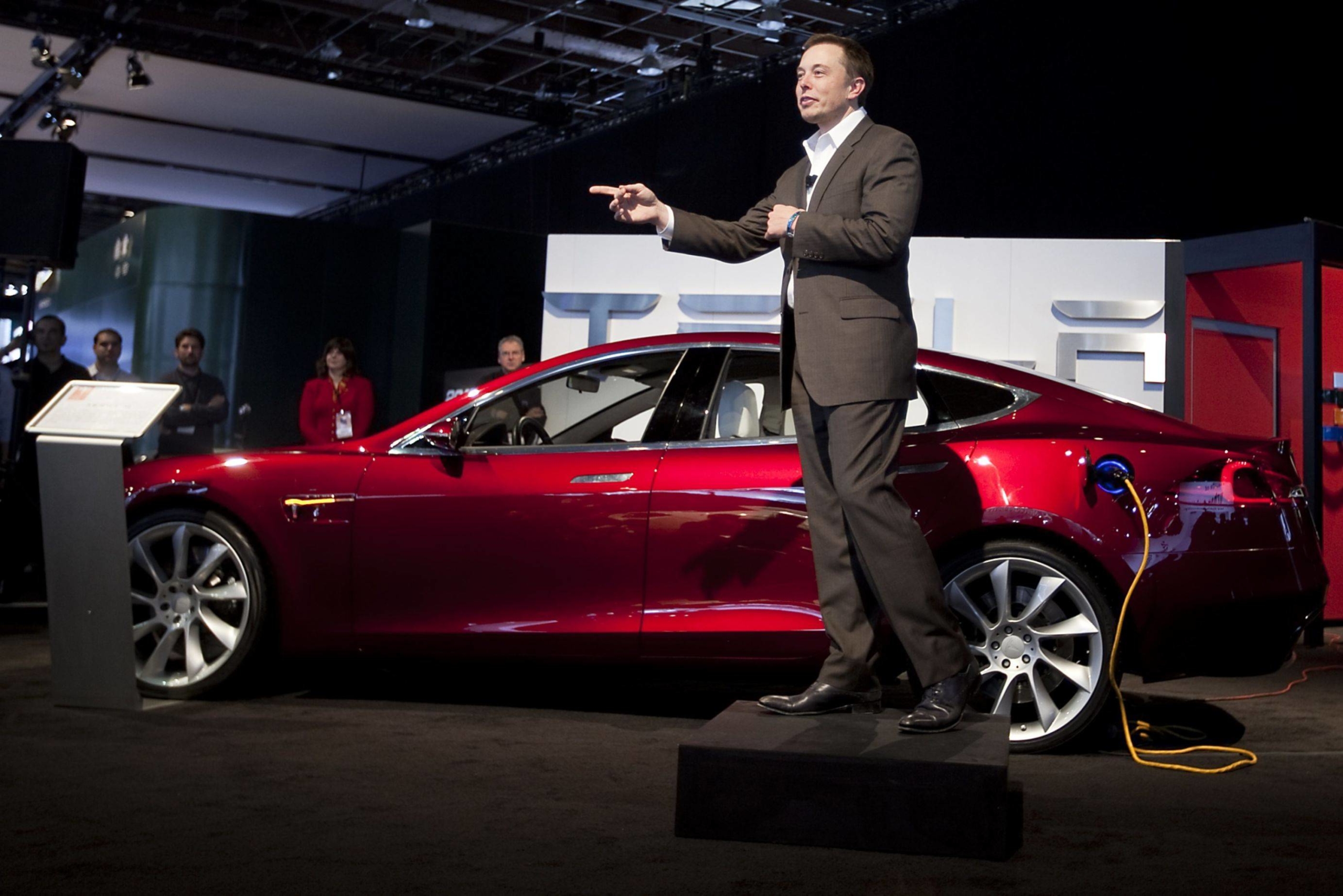
What do Facebook Inc. co-founder Mark Zuckerberg and Tesla Inc. Chief Executive Elon Musk have in common?
Both are grappling with big problems that stem, at least in part, from putting faith in artificial intelligence systems that have underdelivered.
Zuckerberg is dealing with algorithms that are failing to stop the spread of harmful content; Musk with software that has yet to drive a car in the ways he has frequently promised.
There is one lesson to be gleaned from their experiences: AI is not yet ready for prime time. Furthermore, it is hard to know when it will be. Companies should consider focusing on cultivating high-quality data — lots of it — and hiring people to do the work that AI is not ready to do.
Designed to loosely emulate the human brain, deep-learning AI systems can spot tumors, drive cars and write text, showing spectacular results in a lab setting. But therein lies the catch. When it comes to using the technology in the unpredictable real world, AI sometimes falls short. That’s worrying when it is touted for use in high-stakes applications like health care.
KEYWORDS
In a time of both misinformation and too much information, quality journalism is more crucial than ever.
By subscribing, you can help us get the story right.
With your current subscription plan you can comment on stories. However, before writing your first comment, please create a display name in the Profile section of your subscriber account page.