


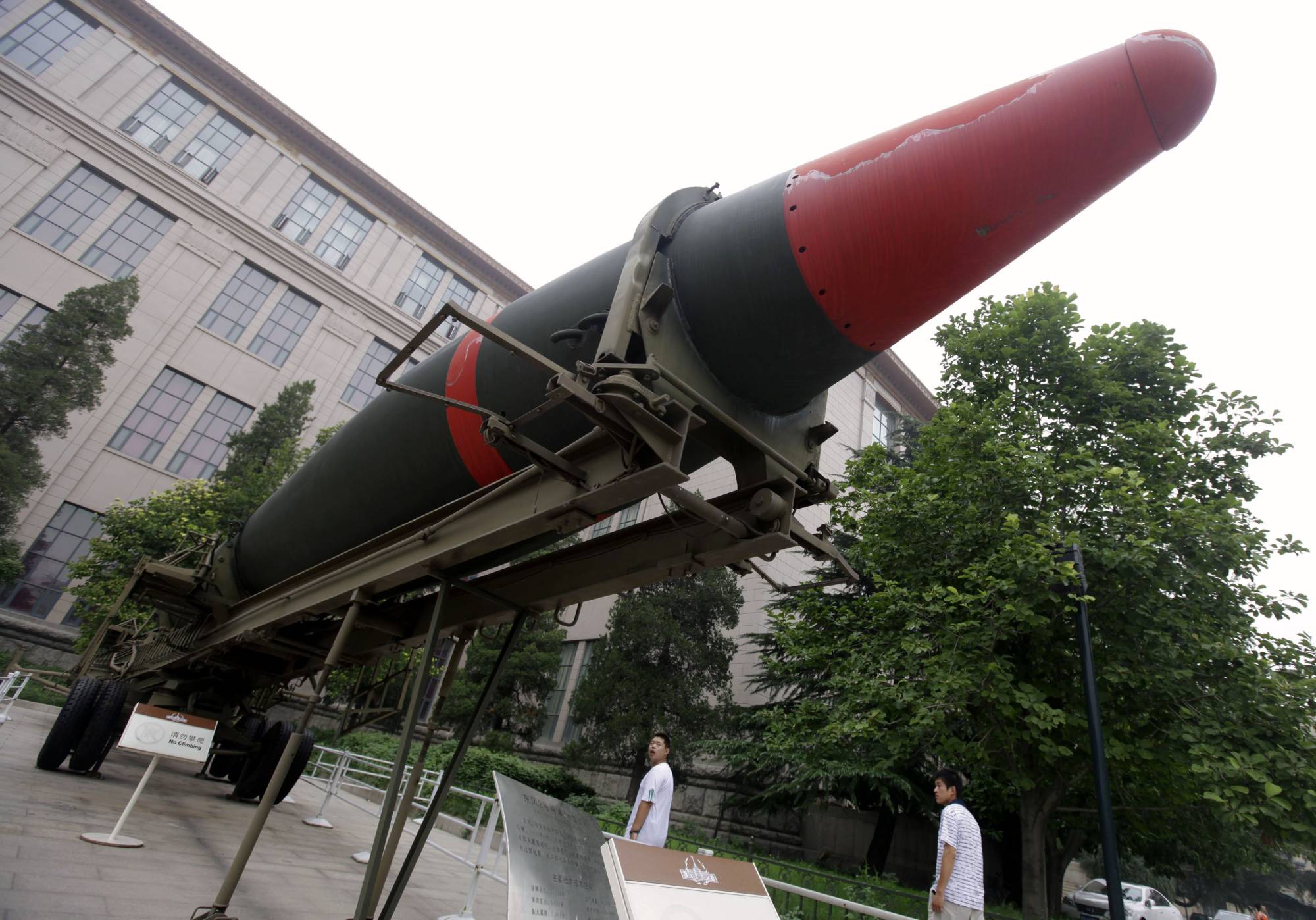
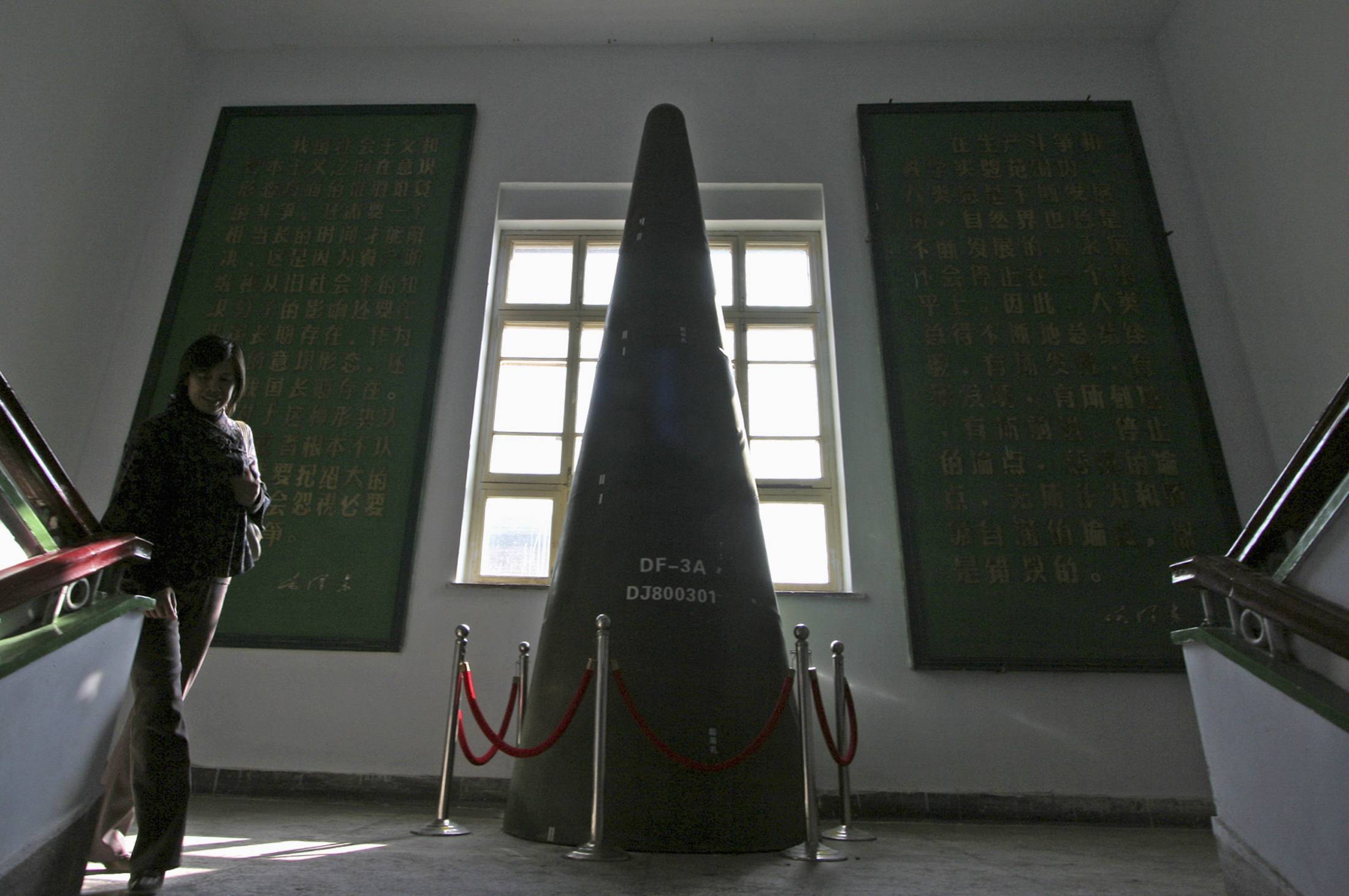
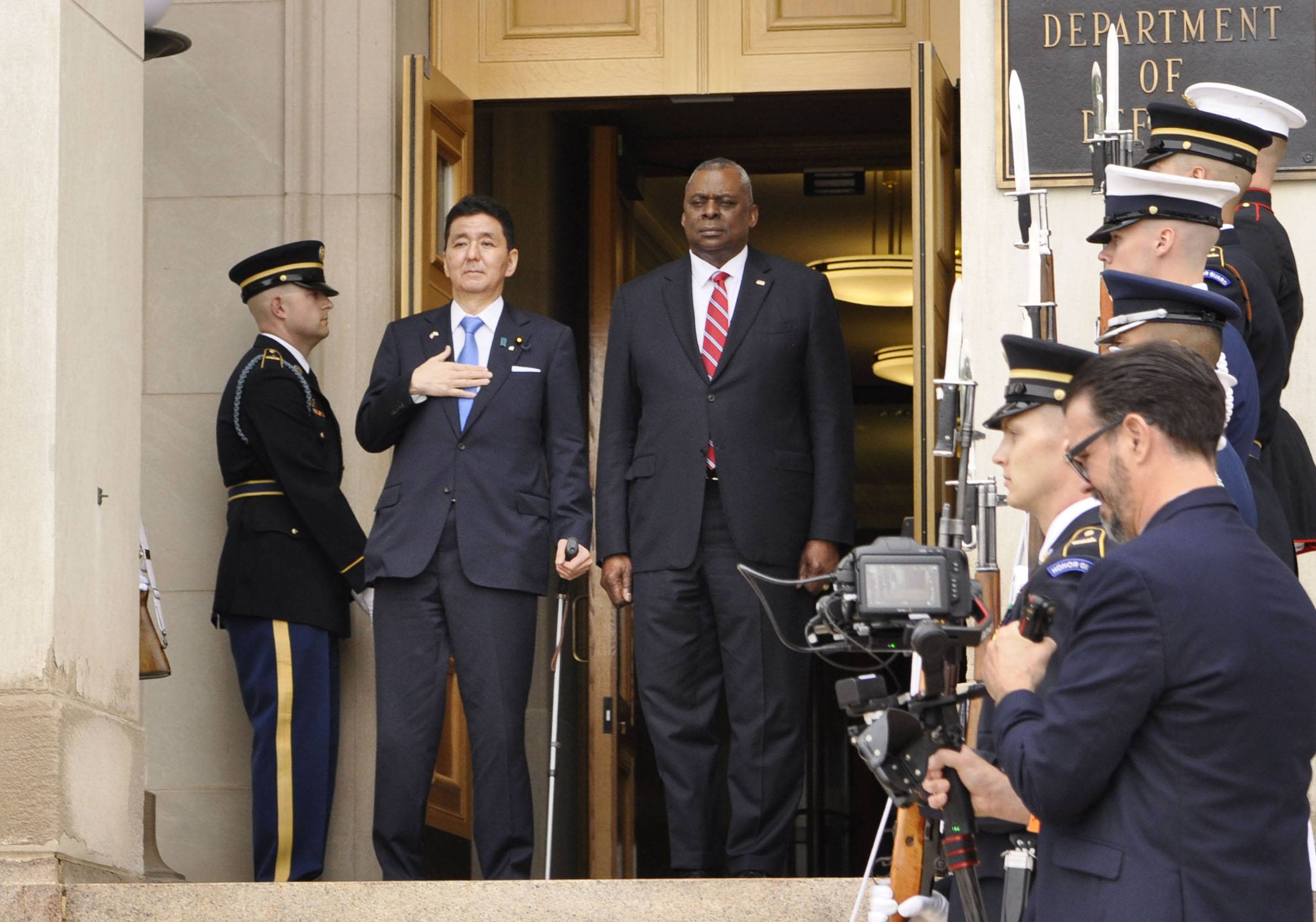
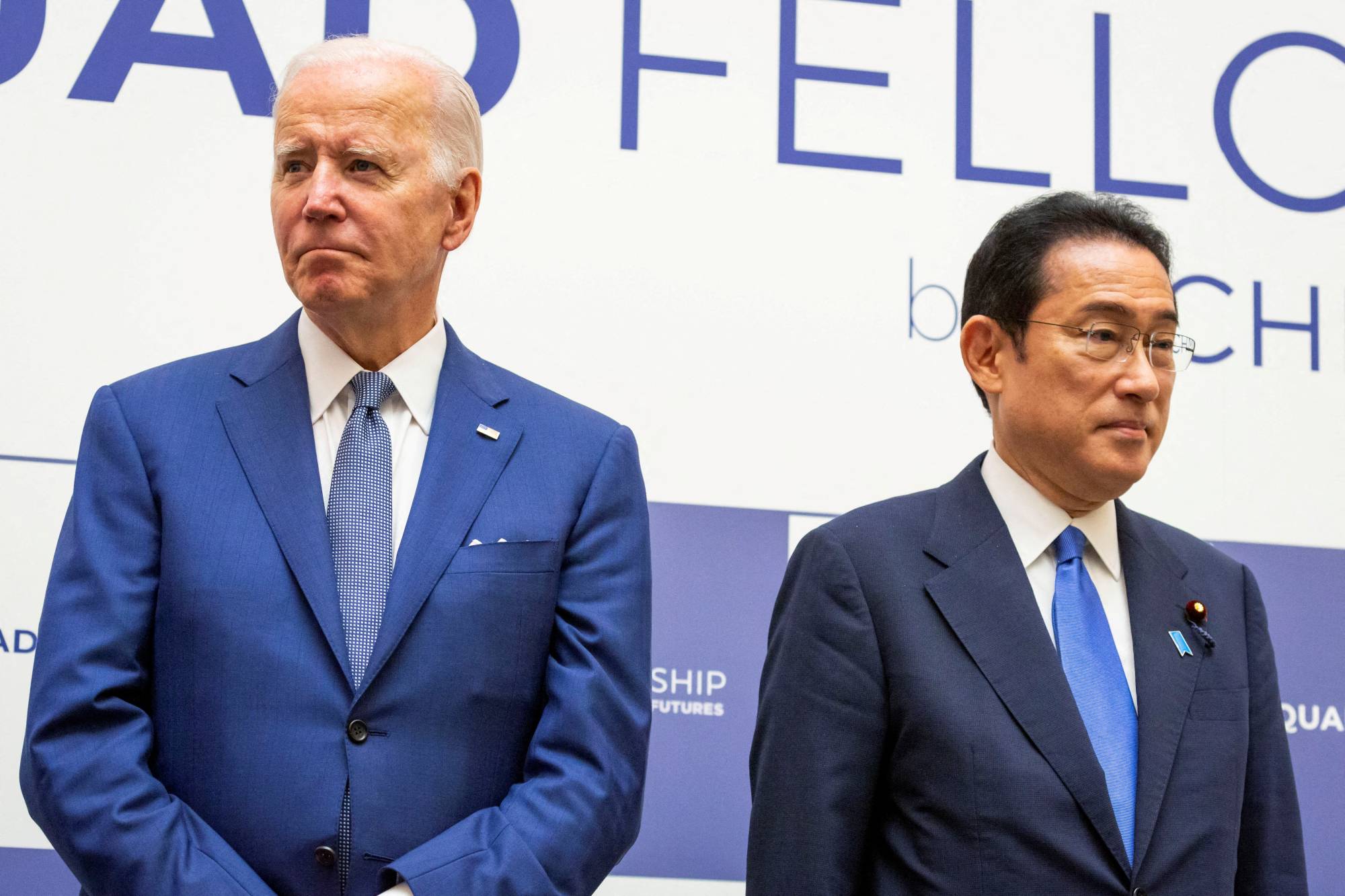
In a Japan-U.S. joint leaders’ statement issued in May following a meeting in Tokyo, Prime Minister Fumio Kishida and U.S. President Joe Biden agreed to work together to strengthen deterrence, while calling on China “to contribute to arrangements that reduce nuclear risks, increase transparency, and advance nuclear disarmament.”
The move by the leaders of Japan and the United States to release a joint statement requesting China to advance nuclear disarmament was a rare one.
The same phrase appeared also in the Japan-U.S. joint statement on the Treaty on the Non-Proliferation of Nuclear Weapons (NPT) issued in January, indicating the two countries’ increasing focus on China’s nuclear capabilities.
With Russia’s invasion of Ukraine, prospects have become unclear for the review of the New Strategic Arms Reduction (New START) Treaty, a treaty between the U.S. and Russia for nuclear arms reduction. And in Asia, China is expanding its nuclear arsenal and North Korea is racing to develop more sophisticated nuclear weapons.
Against this backdrop, what is behind moves by Japan and the U.S. to strengthen the extended deterrence, including the U.S. nuclear umbrella, while calling on China to advance nuclear disarmament?
KEYWORDS
In a time of both misinformation and too much information, quality journalism is more crucial than ever.
By subscribing, you can help us get the story right.

With your current subscription plan you can comment on stories. However, before writing your first comment, please create a display name in the Profile section of your subscriber account page.