


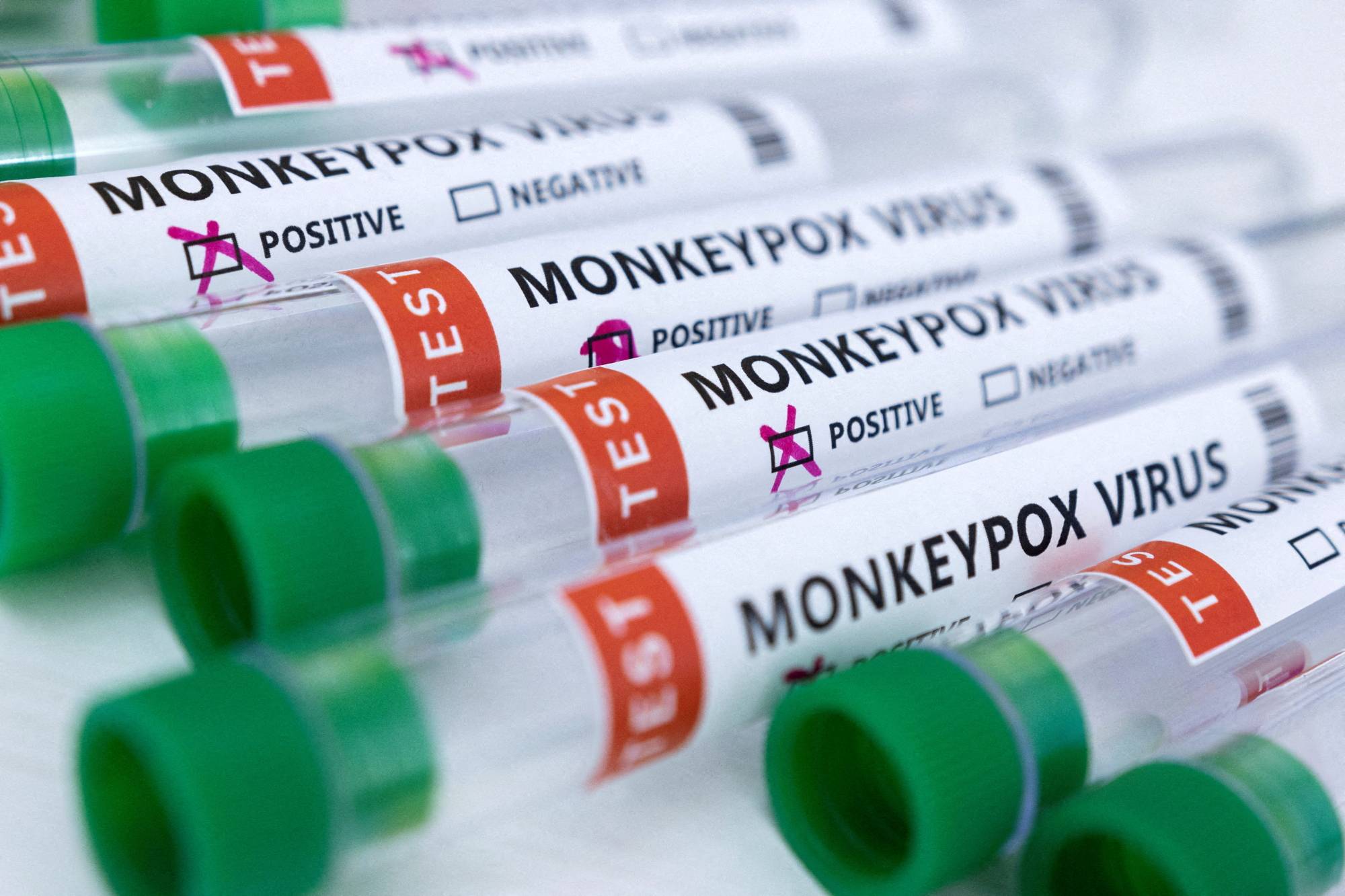
Monkeypox, a relative of smallpox, is spreading at unnerving rates and in unprecedented places, including the U.S. More than 1,500 cases have been registered in over 30 countries, including in at least 17 U.S. states and the District of Columbia.
However, the biggest worry for Americans is not the disease: It’s that our response to it shows how little we have learned from COVID-19, and how much there is still to do to limit the risks from future pandemics.
An important early governmental failing in the COVID-19 outbreak was the delay in facilitating testing. This blinded medical and public health experts to the proliferation of the virus in the crucial early months. Had interventions that were eventually adopted been implemented just a week or two earlier, they could have saved tens of thousands of lives.
The response to monkeypox has hardly been better. Testing for monkeypox is exclusively assigned to the Laboratory Response Network, which was established by the Centers for Disease Control and Prevention in 1999 and has members in most states and many military and federal facilities. However, most doctors have no idea how to access this network. When they do, they encounter a series of gatekeepers and a Byzantine system of online and paper-test ordering, sample packaging and shipping.
These failings are compounded by the CDC’s promulgation of excessively narrow case definitions. Clinicians and public health practitioners routinely secure testing only when a patient’s presentation corresponds with these definitions. Early on, doctors overlooked cases of COVID-19 because the CDC’s definition required recent foreign travel by a patient as a prerequisite for testing. Now we have similarly focused narrowly in identifying signs and symptoms that warrant testing for monkeypox.
With your current subscription plan you can comment on stories. However, before writing your first comment, please create a display name in the Profile section of your subscriber account page.