


NEW DELHI – The era of cheap oil and gas is over.
Russia’s war in Ukraine — or, more specifically, Europe’s ambitious effort to wean itself off Russian fossil fuels at a time when international supplies are already tight — is driving up global energy prices and raising the specter of a global energy crisis. Alternative sources of energy are looking more appealing by the day, as they should. But the embrace of hydropower, in particular, carries its own risks.
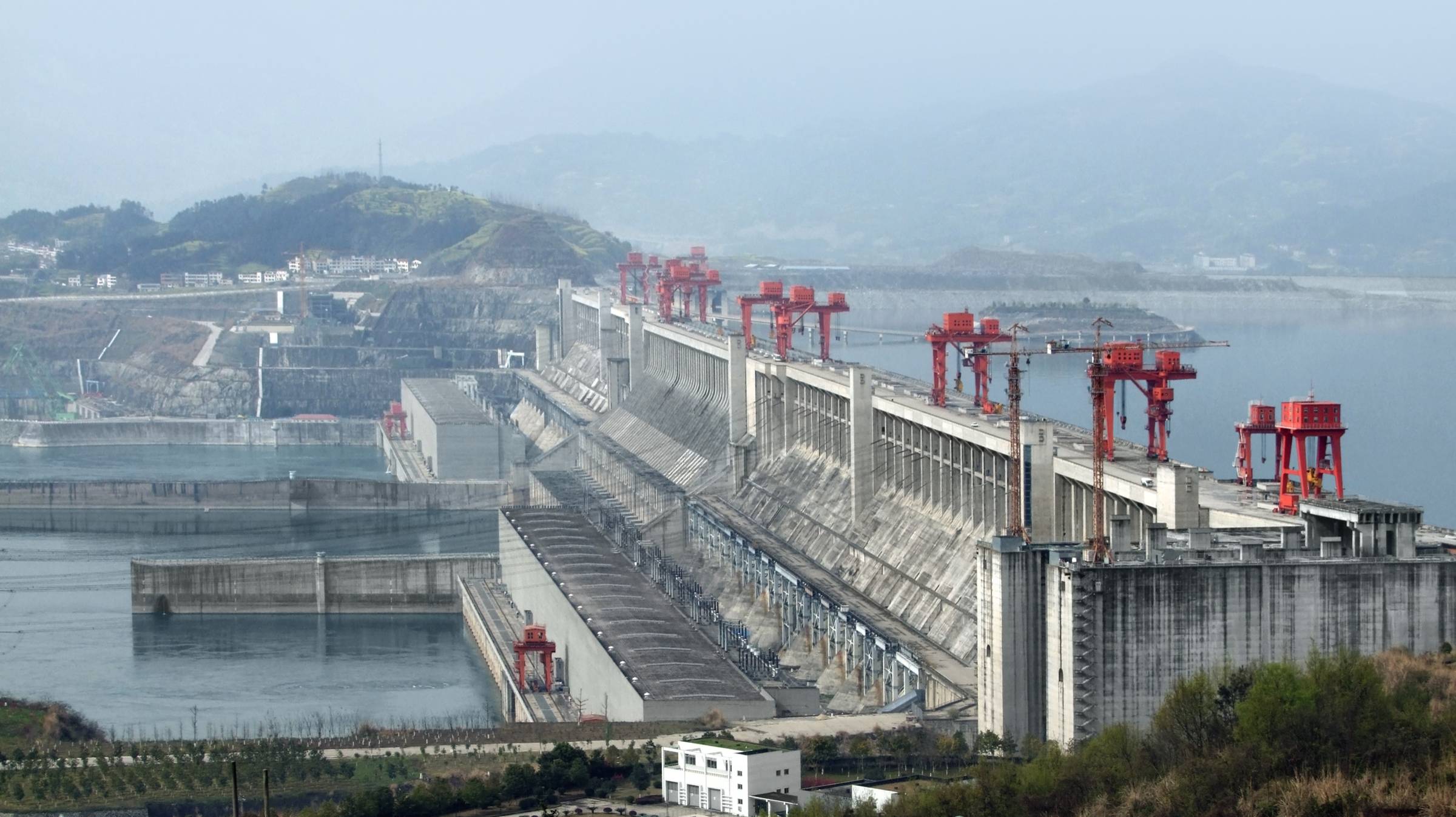
Hydropower is currently the most widely used renewable, accounting for almost half of all low-carbon electricity generation worldwide. Its appeal is rooted in several factors. For decades, it was the most cost-competitive renewable, and many hydropower plants can increase or decrease their electricity generation much faster than nuclear, coal and natural-gas plants. And whereas wind and solar output can fluctuate significantly, hydropower can be dependably produced using reservoirs, making it a good complement to these more variable sources.
But there is a hitch. The most common type of hydropower plant entails the damming of rivers and streams. And hydroelectric dams have a large and lasting ecological footprint.
For starters, while hydroelectric generation itself emits no greenhouse gases, dams and reservoirs emit significant amounts of methane, carbon dioxide and nitrous oxide. Under some circumstances — such as in tropical zones — they can generate more greenhouse gases than fossil-fuel power plants. One study found that methane — a greenhouse gas that is at least 34 times more potent than carbon dioxide — can make up some 80% of emissions from artificial reservoirs, though a wide variety of geographical, climatic, seasonal and vegetational factors affect reservoir emissions.
KEYWORDS
In a time of both misinformation and too much information, quality journalism is more crucial than ever.
By subscribing, you can help us get the story right.
With your current subscription plan you can comment on stories. However, before writing your first comment, please create a display name in the Profile section of your subscriber account page.