


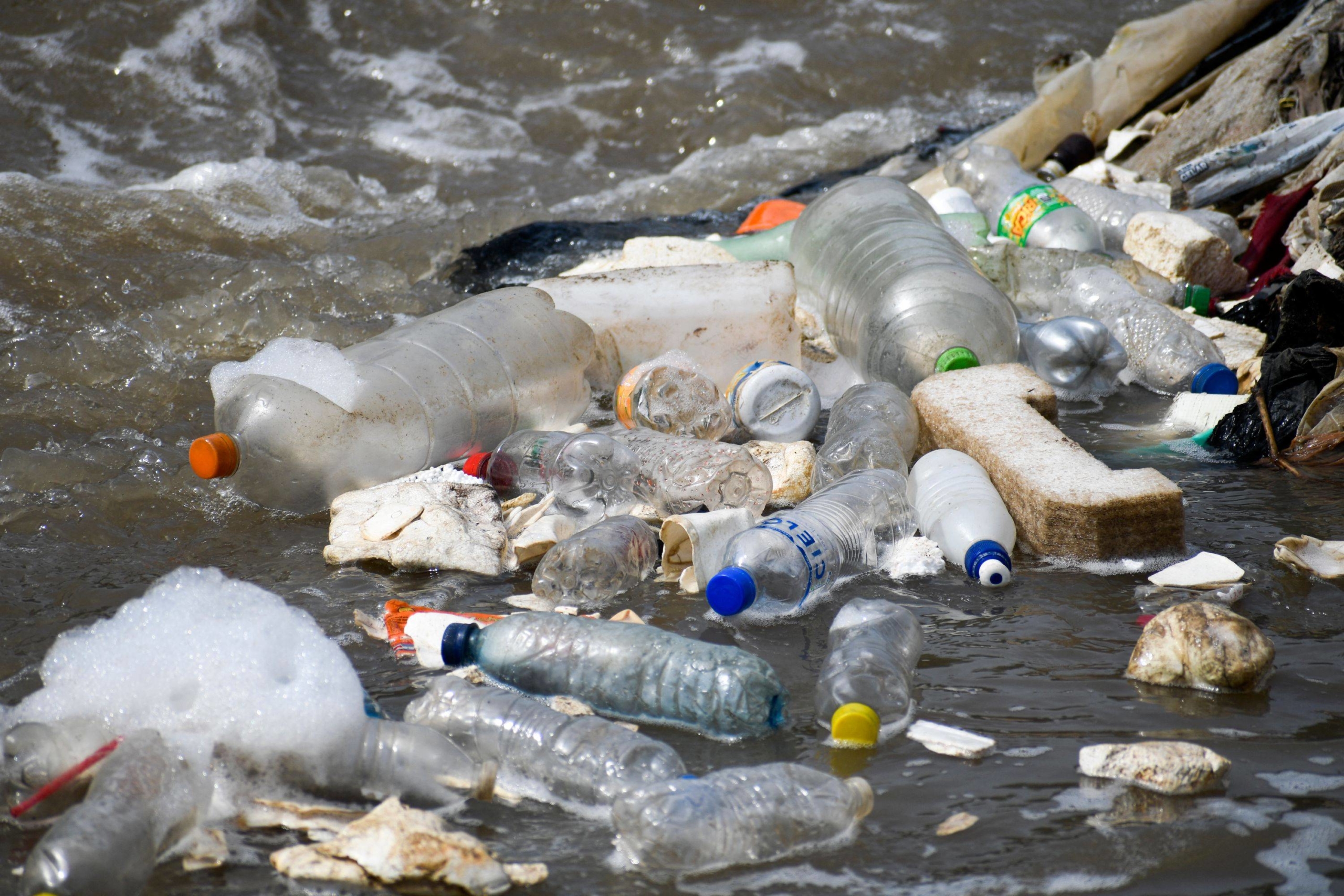
Our lakes, rivers and oceans are increasingly clogged with plastic, plus trillions of microscopic fragments thereof, from all the useful and disturbingly durable products made possible by the petroleum industry.
This deluge of waste has grown exponentially over 60 years. Some 10 million tons of bottles, nets, bags, buckets and food wrappings are deliberately or indifferently dumped each year into our waterways, where they entangle and kill marine life and damage the organs of the creatures, including, possibly, humans, that ingest them.
What can we do? For 70 years, we’ve been trying to recycle plastic, without much success. Some think it will never truly work, in large part because there are many different types of plastics and they generally can’t be recycled together. Also, recycling is still more expensive than manufacturing new plastic; the plastics industry is expected to produce three times as much plastic in 2040 as it does today.
Plastic has become so enmeshed in our ecosystem that bacteria have evolved to digest it.
Oddly enough, those bugs might now offer a ray of hope. A key barrier to cost-effective recycling is finding chemical enzymes able to break down plastic quickly, recovering the molecules originally used to make it, a crucial initial step in reforming and reusing the material.
KEYWORDS
In a time of both misinformation and too much information, quality journalism is more crucial than ever.
By subscribing, you can help us get the story right.
With your current subscription plan you can comment on stories. However, before writing your first comment, please create a display name in the Profile section of your subscriber account page.