


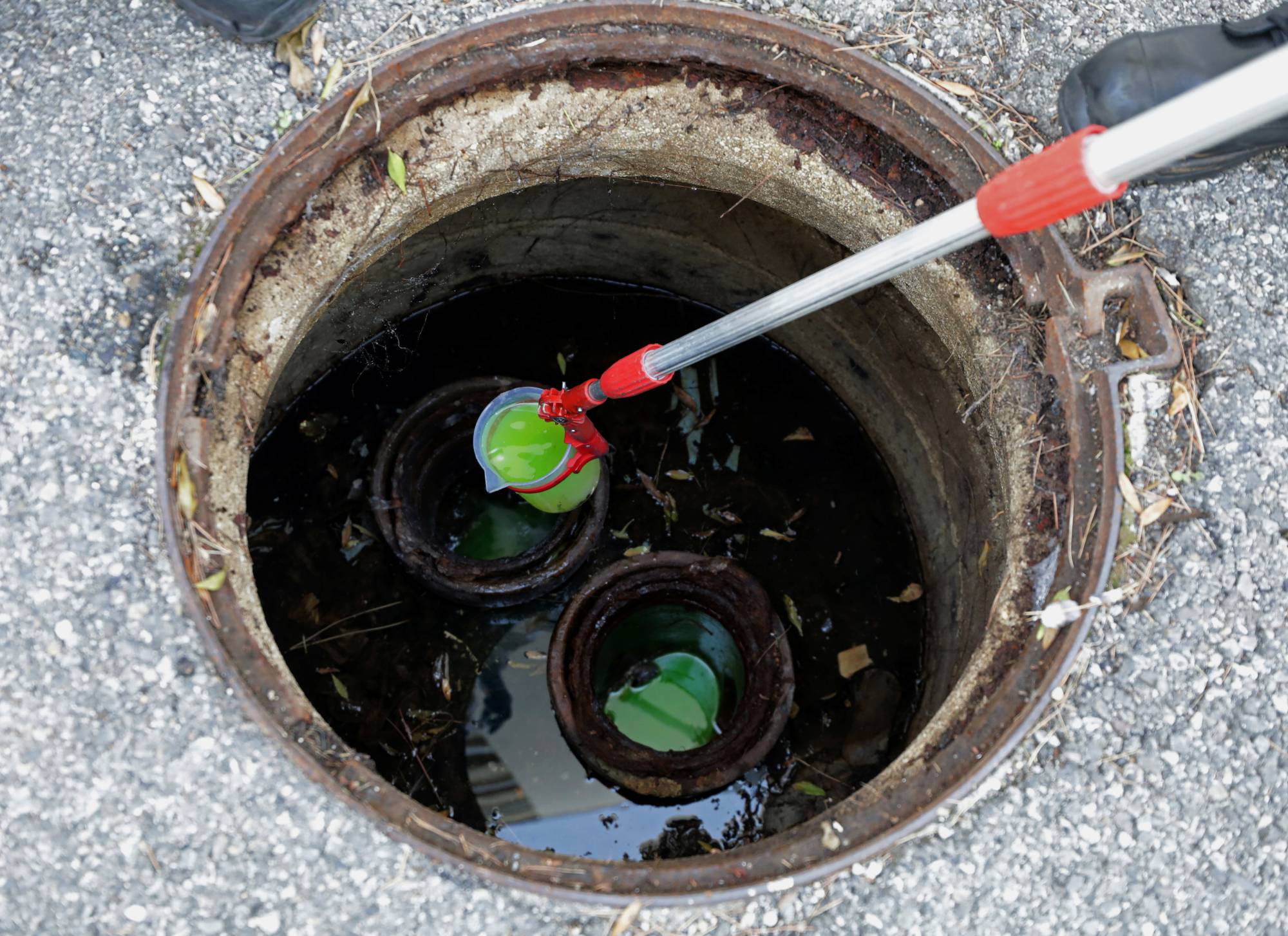
Evidence is growing that monkeypox, like COVID-19, can be reliably detected in wastewater.
Yet the U.S. has moved far too slowly to include the virus in its regular scans of sewage for coronavirus. By the time the Centers for Disease Control and Prevention launches a program in the next month or two to look for monkeypox, the worst of the outbreak is likely to have passed.
When someone is infected with a virus, they “shed” it in various ways — feces, urine, saliva, semen, or, if there is a rash involved as with monkeypox, through skin that is sloughed off in the shower. All of it goes down the drain, and with it, evidence of the level of infections in a community.
Since 2020, researchers have looked for bits of SARS-CoV-2, the virus that causes COVID-19, in sewage. The idea is that infected people are flushing a lot of viral genetic material down the toilet before they show symptoms or the virus can be detected by a PCR or at-home test.
That makes sewage a good sentinel for a rise in cases, allowing public health authorities to control the outbreak by adjusting their recommendations on things like wearing masks or social distancing.
KEYWORDS
In a time of both misinformation and too much information, quality journalism is more crucial than ever.
By subscribing, you can help us get the story right.
With your current subscription plan you can comment on stories. However, before writing your first comment, please create a display name in the Profile section of your subscriber account page.