


Few people can claim to have truly changed the world.
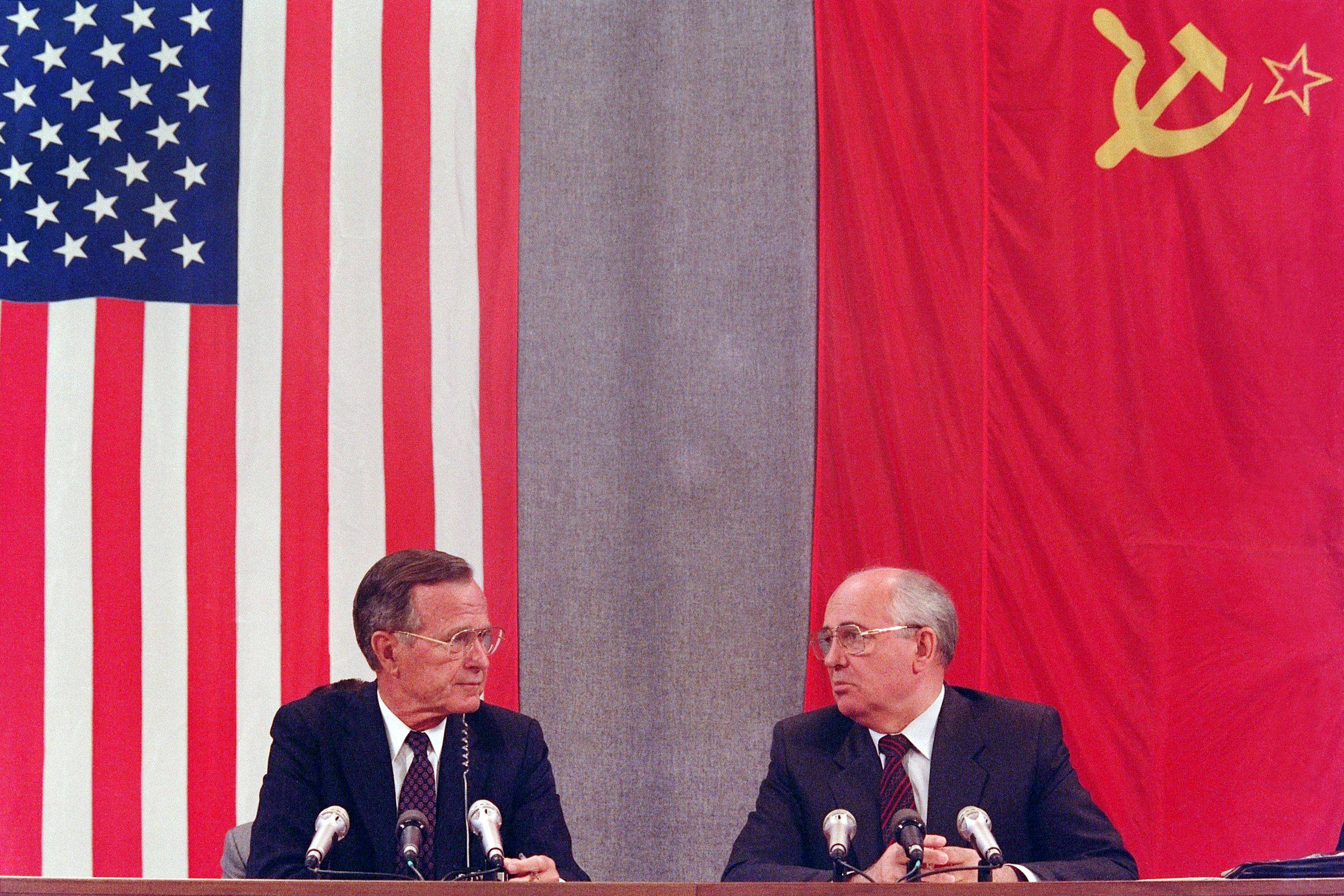
Mikhail Gorbachev, the last leader of the Soviet Union, is on that short list. Gorbachev, who died this week at the age of 91, will be remembered by history as the man who ended the Soviet Union and the Cold War — and helped walk the world back from the brink of nuclear annihilation as a result.
The latter was intended; the former was not. For those reasons, Gorbachev is revered around the world and reviled at home. Yet even foreigners must also recognize the unintended effects of his tenure. He provided a powerful lesson to autocrats about the consequences of reform and the apparent need to rule with an iron fist.
Ironically for a man who engineered the demise of his party and its system of governance, Gorbachev was a loyal communist. Despite firsthand knowledge of the excesses of the regime — not only did he witness the horrors of forced collectivization of farms but both grandfathers were persecuted by Stalin — he joined the party and rose through the ranks of the Komsomol, the Communist youth organization, attending university and studying law.
He began his political career in earnest in 1956, when he was named first secretary of the Komsomol for the Stavropol region. He performed well and eventually became party chief for the region. His job allowed him to interact with visiting Soviet leaders — many at the very top of the party — and they were very impressed with him. Key figures such as Mikhail Suslov, a top party official and ideological hard-liner, and KGB head and future Communist Party General Secretary Yuri Andropov became his patrons.
KEYWORDS
In a time of both misinformation and too much information, quality journalism is more crucial than ever.
By subscribing, you can help us get the story right.
With your current subscription plan you can comment on stories. However, before writing your first comment, please create a display name in the Profile section of your subscriber account page.