


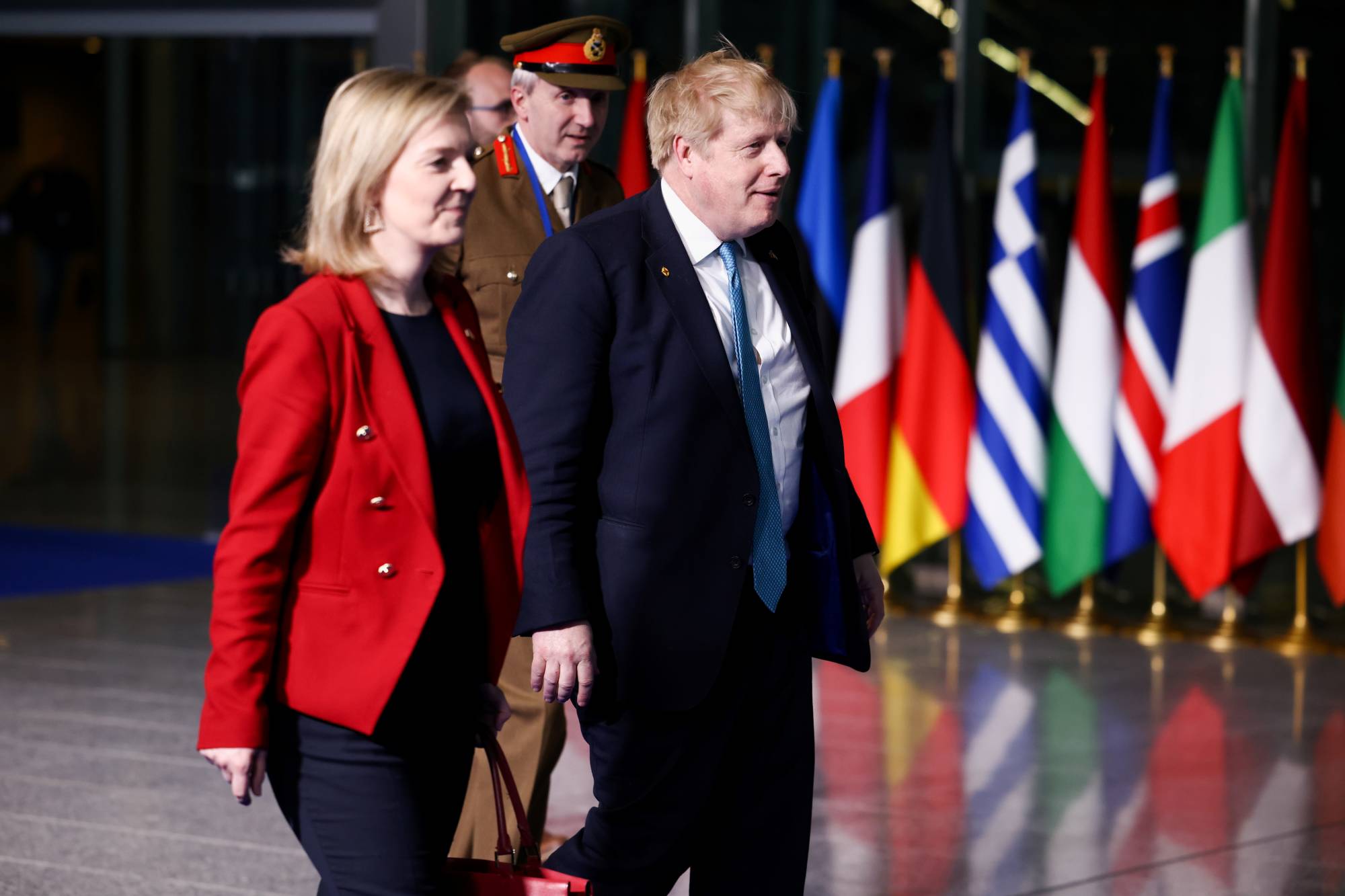
As Conservative Party members elevated Liz Truss to be their new leader on Monday, nostalgia for Boris Johnson is palpable. There’s even speculation that, like his hero Winston Churchill, he may one day return from the wilderness.
Even if Johnson never leads his party again, few doubt that he will cast a long shadow from the sidelines. And that has made his legacy contested territory — because it’s essential for defining the Tory Party and conservatism in the post-Johnson era.
To his followers (and Johnson doesn’t have supporters so much as acolytes), he is the savior who delivered Brexit and the Houdini who conjured up a whole new electoral coalition from swaths of the country that had voted Labour for 70 years. To his detractors, he was the reckless driver who crashed out of the EU. His election became the source of a toothache, maybe even wider decay in his party and public debate.
His supporters may rue the messy personal life, the chaotic way of working, the propensity to say whatever is convenient. But they see in him a unique political mind — instinctively charismatic, competitive, creative — and a politician who, wiser from three years as prime minister, could be capable of a comeback or at least of have a say in the party’s future. They argue that he got the big things right, but failed to surround himself with the right people and allowed a pile-up of mistakes, including tax hikes, to throw him off course.
The polls, however, suggest the broader public have come to a very different conclusion. To most Brits, he’s been a let-down. Only 22% of Brits in the latest YouGov poll think he was either great or good; 55% think he was poor or terrible.
KEYWORDS
In a time of both misinformation and too much information, quality journalism is more crucial than ever.
By subscribing, you can help us get the story right.
With your current subscription plan you can comment on stories. However, before writing your first comment, please create a display name in the Profile section of your subscriber account page.