


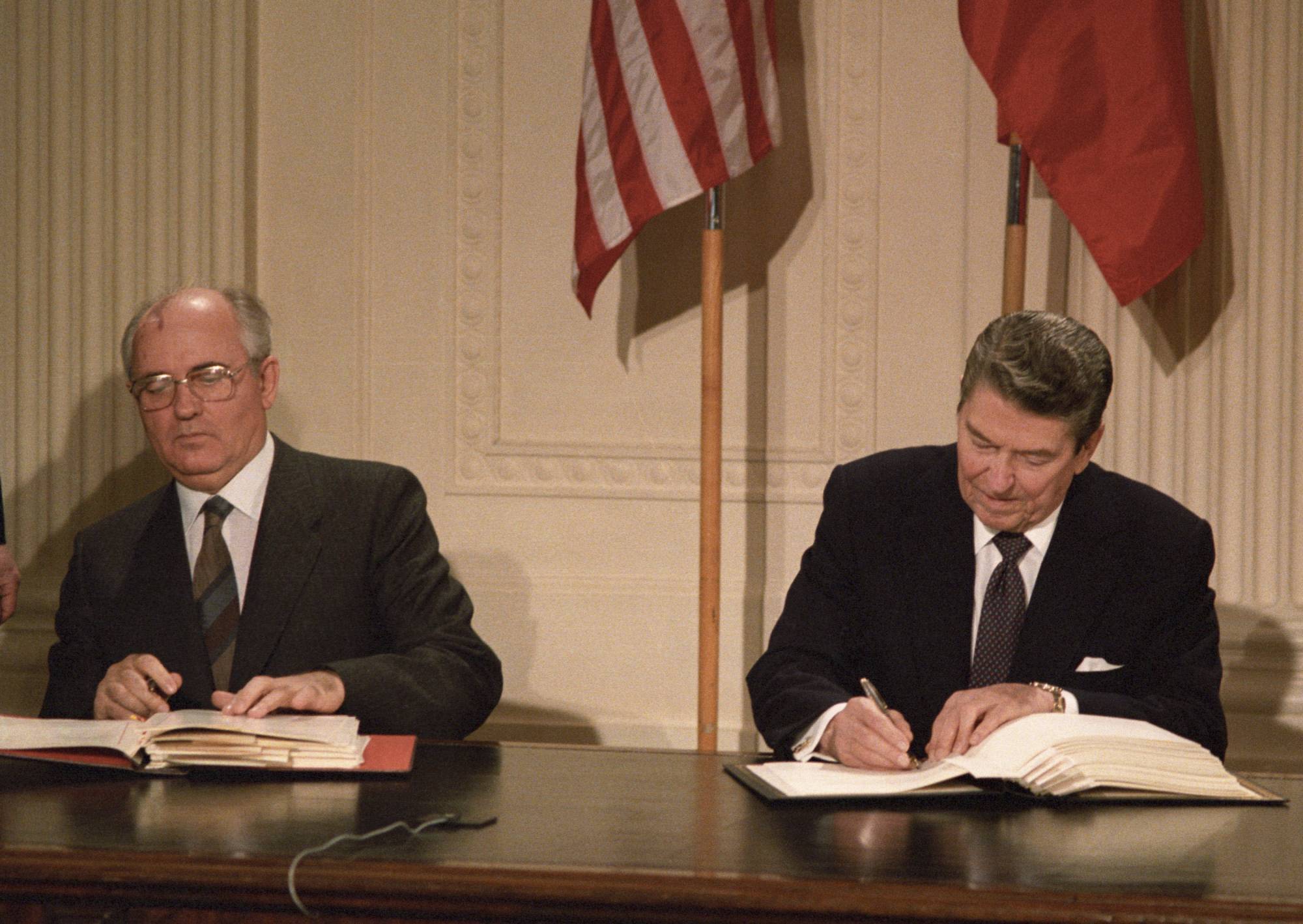
The much-postponed 50th anniversary NPT Review Conference ended in New York on Aug. 26 without an agreed final document.
Russia rejected the draft text because it expressed “grave concern” over military activities around Ukrainian nuclear power plants, including Zaporizhzhia that is currently under Russian control. Four days later the eighth and last Soviet leader, Mikhail Gorbachev, died in Moscow, aged 91. It was a fitting symmetry in that Gorbachev had done more than any other leader of a nuclear-armed state to try to abolish nuclear weapons but failed.
In his State of the Union address in Jan. 1984, U.S. President Ronald Reagan addressed the Russian people: “The only value in our two nations possessing nuclear weapons is to make sure they will never be used. But then, would it not be better to do away with them entirely”?
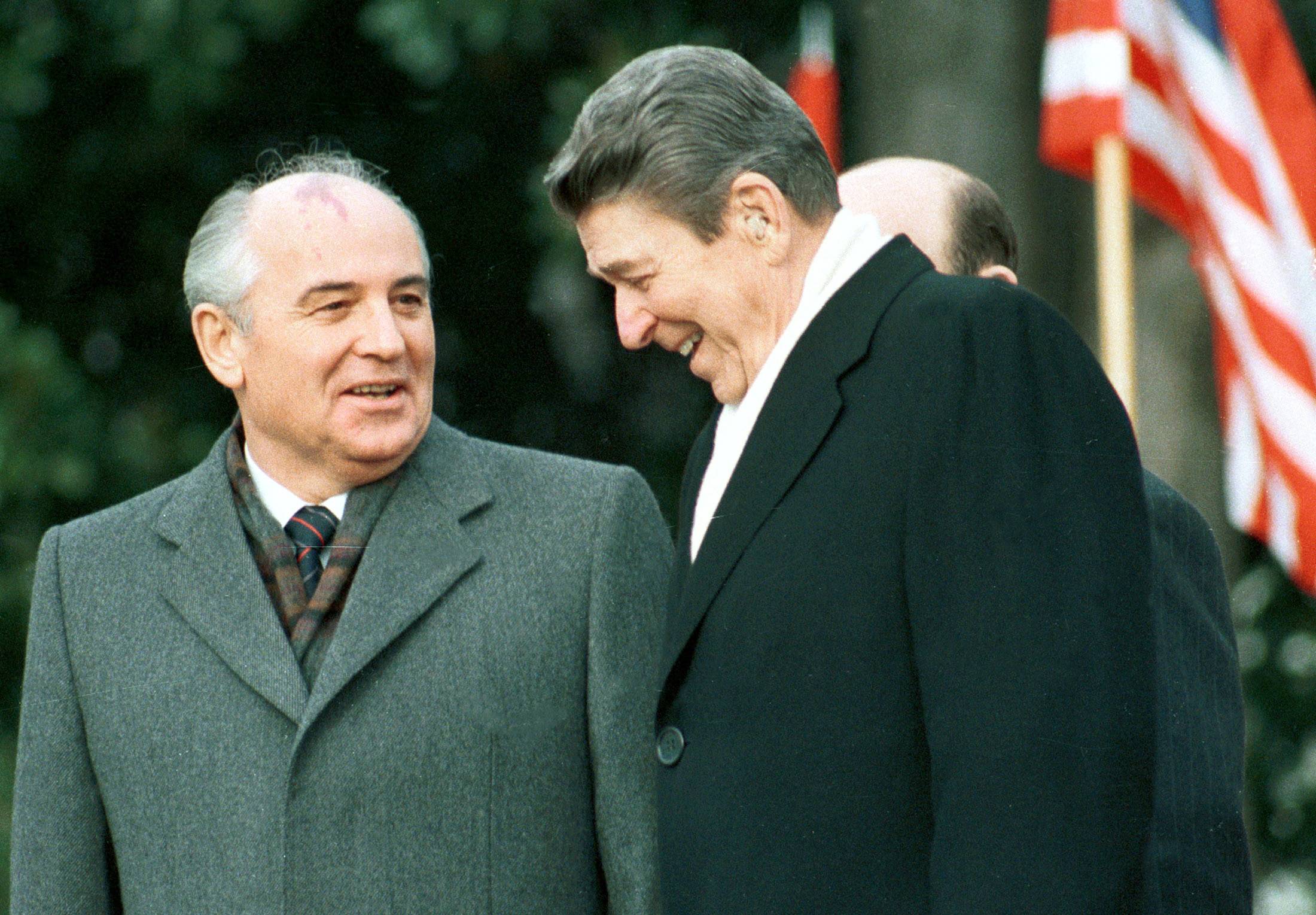
The Reykjavik Summit was held on Oct. 11–12, 1986. Gorbachev and Reagan had left Geneva in October without a nuclear arms control agreement. Reagan’s proposed Strategic Defense Initiative (SDI) had proven a deal breaker. Yet the two leaders struck a personal rapport. In a handwritten letter to Gorbachev in November, Reagan recommitted to the eventual elimination of nuclear weapons.
Gorbachev responded in January with “an unprecedented program to completely eliminate nuclear weapons” by the end of 1999 in three stages, followed by the adoption of “a universal agreement … that these weapons shall never be resurrected again.” Reagan’s reply the next month held firm on SDI but proposed a reduction in strategic ballistic missiles and the elimination of intermediate nuclear forces over the next few years.
In a time of both misinformation and too much information, quality journalism is more crucial than ever.
By subscribing, you can help us get the story right.
With your current subscription plan you can comment on stories. However, before writing your first comment, please create a display name in the Profile section of your subscriber account page.