


BERKELEY, California – With provisions to cut U.S. emissions by 40% from 2005 levels by 2030, the Inflation Reduction Act has revived America’s global climate leadership.
Since most of these reductions will come from a cleaner electricity sector — which is projected to be 70%-85% carbon-free by 2030 — the United States will be well positioned to collaborate with others on decarbonization of the power sector, starting with China.
True, in response to House Speaker Nancy Pelosi’s recent visit to Taiwan, China has suspended its diplomatic engagement with the U.S., including on climate issues. And yet, the climate threat is not unlike the threat posed by nuclear proliferation during the Cold War. The two superpowers (both economically and in terms of emissions) have a shared interest in reducing their fossil-fuel “arsenals,” even amid worsening bilateral relations. By acting decisively this decade, both can deliver greater economic, health, and security benefits for their own populations and the rest of the world.
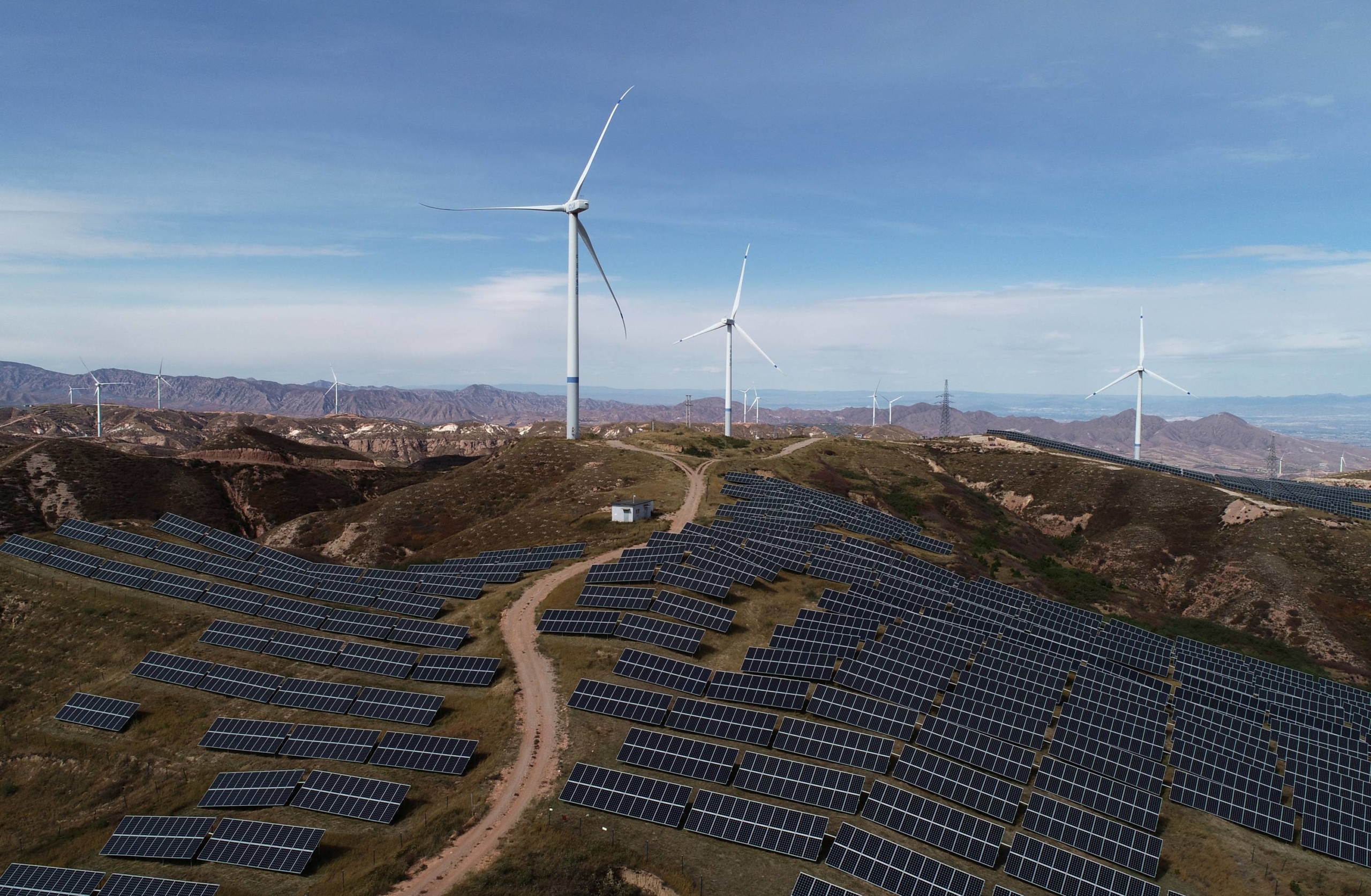
Owing to its reliance on coal, which supplies two-thirds of its electricity, China now emits more greenhouse gases per year than any other country, with its electricity-related emissions alone roughly equaling those for the entire U.S. economy. At the same time, China’s renewable-energy capacity is soaring. In 2020, it added three times more wind and solar capacity than the U.S. did; and just in the first half of 2022, it invested another $100 billion in solar and wind.
Yet China could pivot from coal to clean energy even faster, especially if it is willing to work with the U.S. on cleaning up the electricity sector. New research from Lawrence Berkeley National Laboratory (LBNL), Energy Innovation, and the University of California, Berkeley, shows that China could reach 80% carbon-free electricity as early as 2035 without increasing costs or sacrificing reliability. Though China is already on pace to exceed its goal of 1,200 gigawatts of wind and solar by 2030, it could add much more by leveraging its unparalleled renewable-resource endowment and world-leading cleantech supply chain.
KEYWORDS
In a time of both misinformation and too much information, quality journalism is more crucial than ever.
By subscribing, you can help us get the story right.
With your current subscription plan you can comment on stories. However, before writing your first comment, please create a display name in the Profile section of your subscriber account page.