


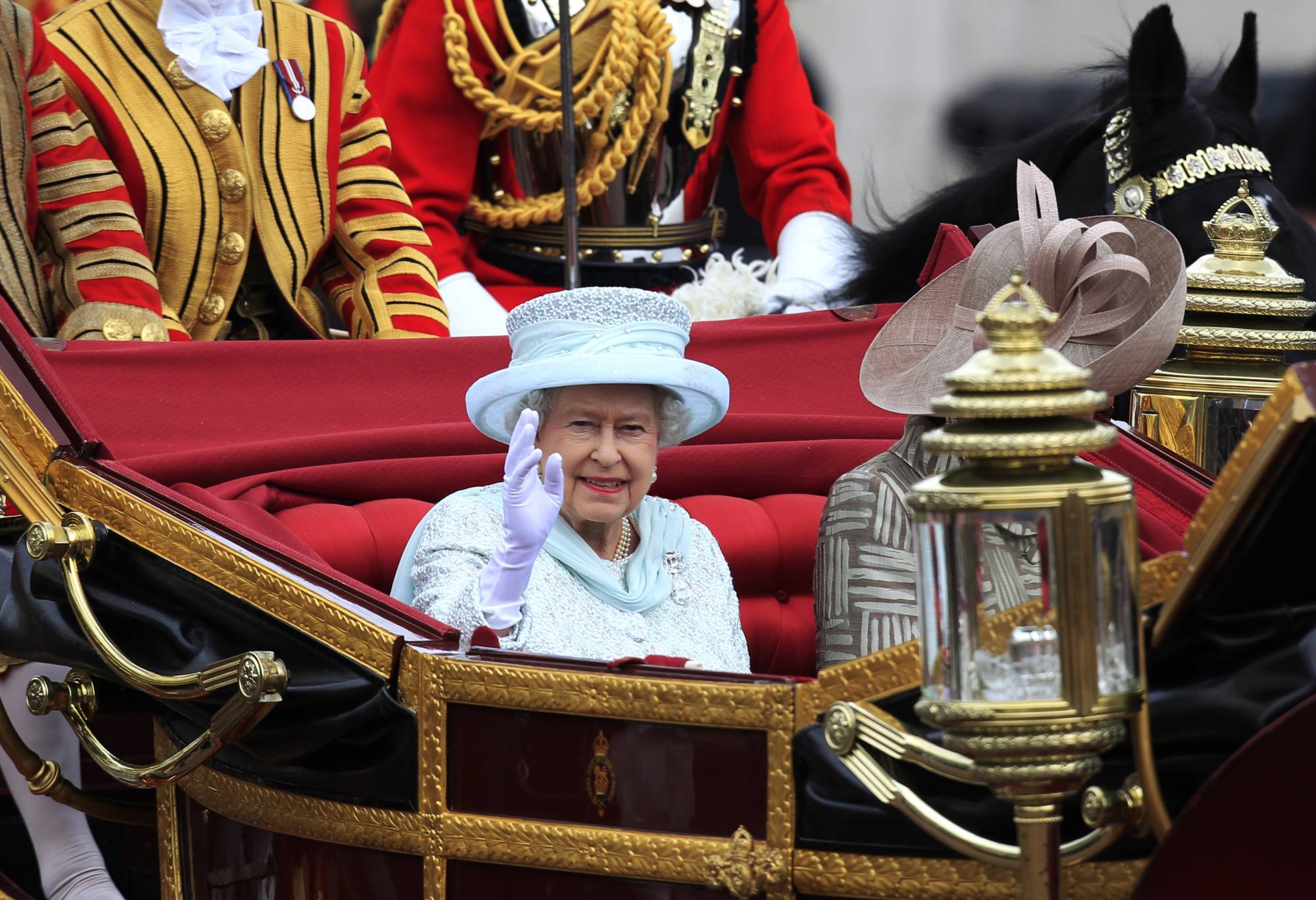
The death of Queen Elizabeth II marks the end of an era, not only for the United Kingdom, but for the entire world. She was a remarkable woman, steadfast in her commitment to duty — to her country and her Commonwealth — who exuded both confidence and a certain humility. As queen, she invariably put the demands of her position — it feels tawdry to call it “a job” — above whatever personal impulses she might have felt.
As the longest-serving monarch in British history, she witnessed extraordinary events. Since ascending to the throne, however, perhaps the most enduring trend has been her country’s struggle to find its place in a world.
The second half of the 20th century has not been kind to Great Britain. The Commonwealth, of which she was a symbol, has been transformed, and her passing has, amidst the outpouring of grief, also prompted a spirited debate about the meaning of the British Empire and her — and her family’s — role within it.
Elizabeth was an unexpected monarch. Her uncle, Edward VIII, abdicated the throne to pursue American socialite Wallis Simpson. Her father took his place, ruling as George VI until his death in 1952. Elizabeth ascended to the throne, although her coronation was held the following year.
During her reign, Britain had 15 prime ministers, among them Winston Churchill, Anthony Eden, Margaret Thatcher and Boris Johnson. One of her last official acts was meeting Liz Truss, the newly selected prime minister, and asking her to form a government.
KEYWORDS
In a time of both misinformation and too much information, quality journalism is more crucial than ever.
By subscribing, you can help us get the story right.
With your current subscription plan you can comment on stories. However, before writing your first comment, please create a display name in the Profile section of your subscriber account page.